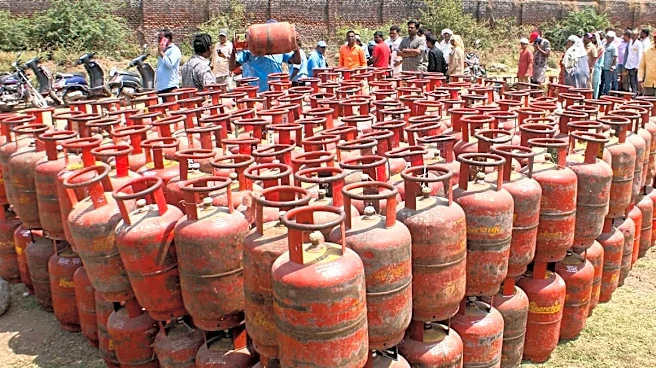




Amid recent LPG shortages that disrupted both household and commercial kitchens, Bengaluru is turning its focus back to biogas as a viable alternative fuel.
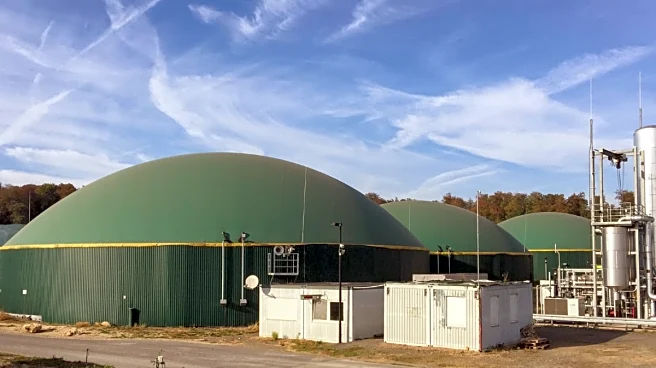
The city currently has seven operational biogas plants, several of which are in the process of being upgraded into full-scale fuel facilities. However, the transition remains incomplete, raising concerns over whether the existing infrastructure can meet growing demand.
These plants, located in areas such as Koramangala, Jayanagar, and Domlur, convert organic waste into biogas and electricity. While a few facilities are functioning efficiently, others are yet to reach optimal capacity. Four additional plants have been constructed but are not operational, with another facility planned in Kannahalli.
The Koramangala plant, among the oldest, processes nearly 18 tonnes of waste daily and supplies biogas directly to a nearby restaurant through pipelines.
Similarly, a larger facility in Horohalli handles around 50 tonnes of wet waste and produces compressed biomethane for commercial use. NGOs and large community kitchens have also invested in their own biogas units to ensure energy security.
Experts and officials acknowledge the environmental and economic benefits of biogas, particularly its lower carbon emissions. However, challenges such as incomplete infrastructure, limited pipeline networks, and uneven plant performance continue to hinder large-scale adoption.
Authorities say efforts are underway to operationalise pending plants and expand capacity, but a citywide shift to biogas may still take time.