
Every year, cardiologists across urban India observe a worrying pattern: heart attacks and strokes rise sharply in January. According to Dr Divya Marina Fernandes, Consultant, Heart Failure Specialist
& Interventional Cardiologist, Aster RV Hospital this increase is not coincidental but the result of multiple stressors acting together on the cardiovascular system.
“The heart and blood vessels are placed under additional strain due to a dangerous combination of cold weather, festive excesses and air pollution,” explains Dr. Divya Marina Fernandes. This collective phenomenon is increasingly being referred to as the ‘January Smog Effect’.
Why winter is especially hard on the heart
Cold temperatures cause blood vessels to constrict, a process known as vasoconstriction which raises blood pressure and forces the heart to work harder. “In winter, blood also tends to become thicker, increasing the likelihood of clot formation,” says Dr Fernandes, adding that this significantly raises the risk of both heart attacks and strokes.
Reduced physical activity during colder months further compounds the problem. Weight gain, heavy meals, and increased salt intake all place additional stress on the heart.
Festive habits that quietly increase risk
The Christmas–New Year period often involves overeating, alcohol consumption, smoking, irregular sleep and late-night partying. Dr Fernandes warns that alcohol can elevate blood pressure, trigger irregular heart rhythms and cause dehydration, which thickens the blood.
“High-sodium and processed foods lead to fluid retention and a rise in blood pressure,” she notes. Lack of sleep and stress increase cortisol levels, which can precipitate cardiac events—especially in people with existing heart disease, diabetes or hypertension.
How winter smog worsens cardiovascular danger
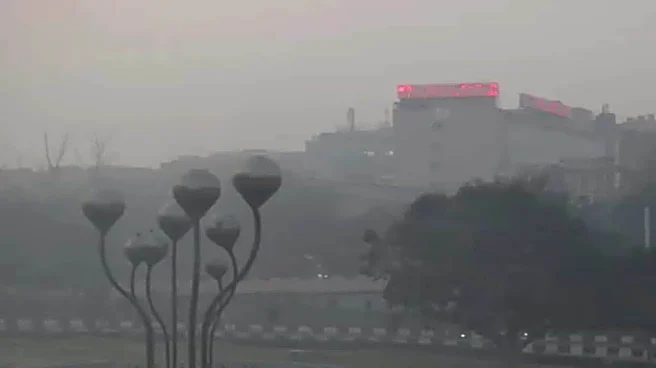
Air pollution during winter is a major but often underestimated contributor. Smog contains fine particulate matter (PM2.5), nitrogen oxides and toxic gases from vehicles, industrial activity, fireworks and biomass burning.
“These microscopic particles enter the lungs and then the bloodstream, triggering inflammation and oxidative stress,” explains Dr. Divya Marina Fernandes. Over time, this damages blood vessel walls and destabilises plaques in arteries, making them more likely to rupture and cause heart attacks or strokes.
She adds that polluted air reduces oxygen delivery, increases cardiac workload and can provoke dangerous heart rhythm disturbances. Studies show that the risk of cardiac events can rise within hours to days after heavy smog exposure particularly in older adults and those with pre-existing heart or lung disease.
Why January becomes the peak danger period
January uniquely combines cold temperatures, dense smog and post-festive physiological stress, says Dr. Divya Marina Fernandes. Fireworks during New Year celebrations worsen air quality, while winter fog prevents pollutants from dispersing.
“The added mental stress of returning to work after the holidays further strains the heart,” she explains. Together, these factors create a perfect storm for cardiovascular emergencies.
Who is most at risk?
According to Dr. Divya Marina Fernandes, the highest-risk groups include:
People with high blood pressure, diabetes or high cholesterol
Individuals with a previous history of heart attack or stroke
Smokers
Older adults
People exposed to outdoor pollution for prolonged periods
Warning signs you should never ignore
“Chest pain, breathlessness, sudden sweating, dizziness, slurred speech, weakness on one side of the body or sudden vision loss must be treated as medical emergencies,” stresses Dr Fernandes. Prompt intervention can be life-saving.
How to protect your heart during winter and smog
To reduce risk during the colder months, Dr Fernandes recommends limiting outdoor exposure on high-pollution days and wearing a high-quality mask such as an N95 when stepping out.
She also advises:
Strict control of blood pressure, blood sugar and cholesterol
Staying well-hydrated even in cold weather
Eating light, home-cooked meals and reducing salt, alcohol and junk food
Maintaining a regular sleep schedule and managing stress
Engaging in light indoor physical activity such as walking or stretching
Taking prescribed medications consistently without skipping doses
The takeaway
“The January spike in heart attacks and strokes is largely preventable,” concludes Dr Fernandes. “Awareness, small lifestyle changes and early response to warning signs can significantly reduce risk.”
As winter, pollution and post-festive habits converge, protecting heart health becomes not just advisable but essential.
/images/ppid_a911dc6a-image-177072706674199318.webp)

/images/ppid_a911dc6a-image-177072703039960280.webp)