

/images/ppid_a911dc6a-image-177492643134732273.webp)

The effective, low-cost attack drone the US is deploying in its conflict with Iran doesn’t come from any of the country’s 400-plus venture-backed drone startups, nor is it a product of Silicon Valley innovation.
Instead, the drone currently playing a key role in the Middle East conflict was developed by the US military itself, drawing on reverse-engineered Iranian technology.
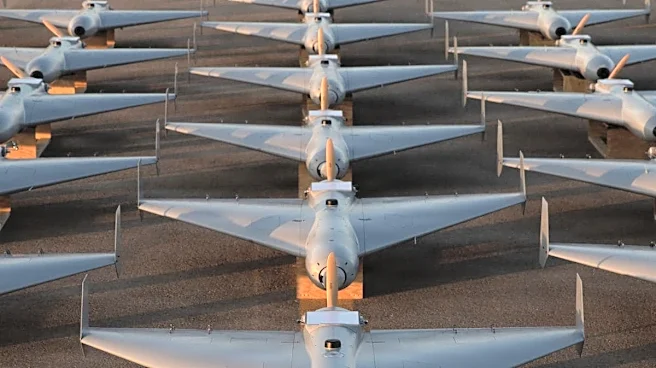
The drone, known as the FLM 136, or “Lucas”, has been striking Iranian military targets since the early stages of the conflict, the Wall Street Journal reported. Meanwhile, heavily funded defense hardware systems and startup-built drones are being minimally used by the United States.
What Are Lucas Drones?
According to defence reports, the Lucas drone was developed after engineers studied Iranian
drone technology and reproduced a simplified version suited for American operations.
The system is essentially the “Toyota Corolla of drones”.
One of the standout aspects of the Lucas drone is its affordability. Each unit is estimated to cost between $10,000 and $55,000, putting it in a similar price range as Iran’s Shahed drones. This pricing becomes especially notable when compared to traditional US weaponry, which is typically far more expensive.
Key Features of Lucas Drone
Lucas drones can operate for up to six hours, travel more than 500 miles, and fly autonomously during missions, reports suggest. With these characteristics, the drones provided the United States the capability to launch repeated low-cost strikes over long distances.
However, analysts suggest that the drones may struggle in complex electronic warfare environments, particularly in regions where GPS jamming or advanced electronic countermeasures are widely deployed.



/images/ppid_59c68470-image-177502010076745115.webp)