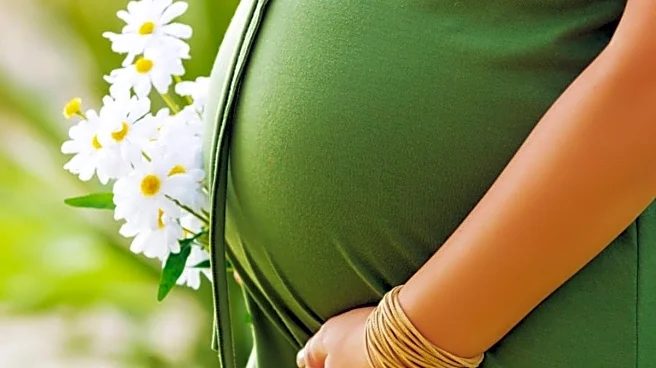




As a pregnant woman, there are a lot of things one can control, like your nutrition, diet and exercise, that can affect the overall health of your baby. However, there are a few things that are out of your hands, like genetic disposition and how your body carried the foetus.
With several cities in India being ranked as some of the worst-polluted in the world, it can play a major role in your baby’s health when you are pregnant. We speak to Dr Sahana M Gowda, Consultant- Obstetrician & Gynaecologist, Motherhood Hospitals, Banashankari, Bengaluru, to understand how pollution is affecting pregnancy.
Although there has always been attention to maternal nutrition, it is the intangible effect of environmental pollutants through the media of air and
water that now stands as a determinant of the health of the foetus. Several scientific studies indicate that inhaling fine particulate matter, referred to as PM 2.5, allows these tiny harmful pollutants across the placental barrier to create an inflammatory response within the body of the pregnant woman. This results in high blood pressure among the mothers and premature births among the babies.
Air pollutants may not only affect the well-being of the expectant woman but may also irreversibly impact the growth of the unborn child.
The problem is usually triggered by Endocrine Disrupting Chemicals (EDCs), whose presence in today’s world cannot be denied. They are common in our daily life, like the water we drink from the plastic bottles as well as in the perfume we use in cosmetics. Pregnant women are always advised not to consume water from plastic bottles. EDCs may affect the quality of eggs of a woman and also make it difficult for the fertilized egg to attach to the womb.
The expecting mother needs to examine the environment as much as she examines her food. Heavy metals in water and chemicals at home could affect the baby’s brain and immunity formation. Aside from suggesting basic vitamin intake during pregnancy, there are also discussions about detoxifying one’s home environment. An active defence mechanism is encouraged, it is recommended for pregnant women to avoid going to crowded places, and if they must, then they should always wear a mask.
It is also best to not step out when the AQI index is too high. Heated plastic containers should be completely avoided and they should opt to go with glass or stainless-steel ones.
Ultimately, from a medical standpoint of view, what matters is that there is a profound connection between the state of health of the mother and the well-being of the fetus and the purity of their environment. Foods like berries, citrus fruits, and pomegranate help eliminate the effects of oxidation due to toxins, whereas steam inhalation in water is enough to cleanse nasal passages after spending time outside.
Opting for vinegar and baking soda as an alternative for strong chemical cleansers can help minimise exposure to chemicals in one’s home. The other measures to combat the stressors include drinking water from glass or copper containers and sipping on gentle Tulsi tea. Protecting the next generation requires a collective effort to ensure that the environment where children grow is as healthy as the healthcare they receive.




/images/ppid_59c68470-image-177582503339833806.webp)



/images/ppid_59c68470-image-177590752939456564.webp)