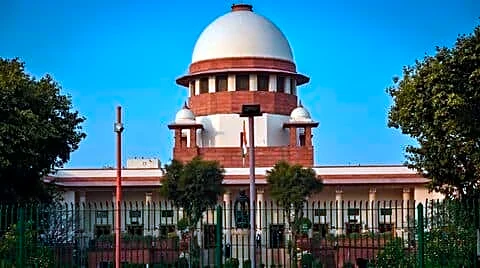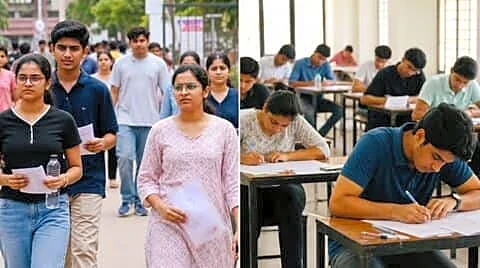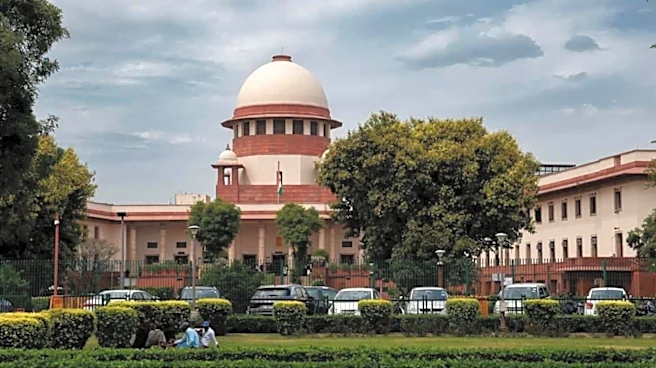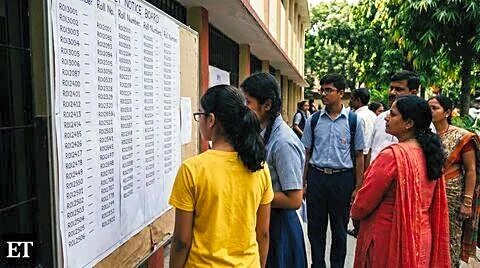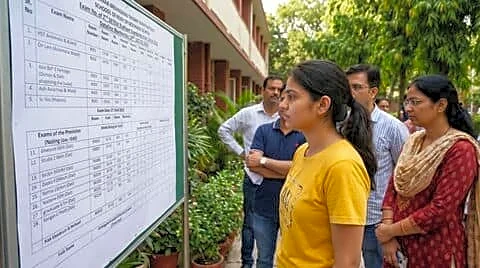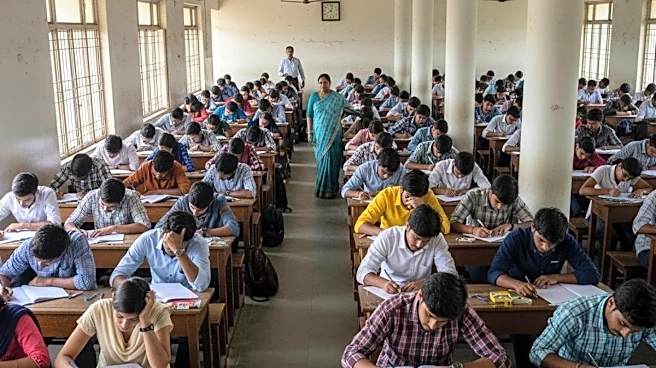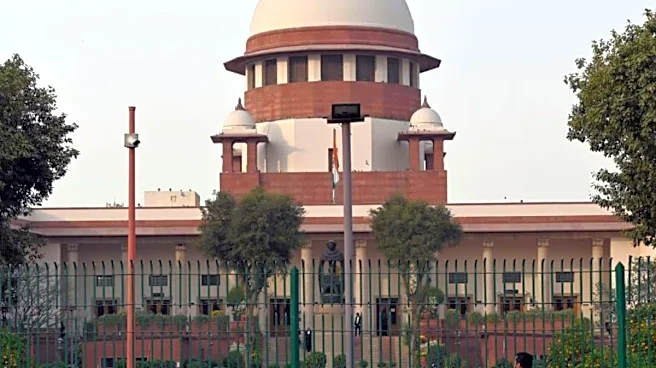


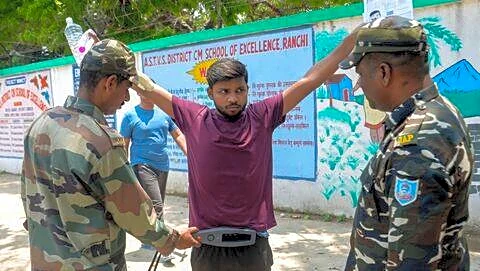
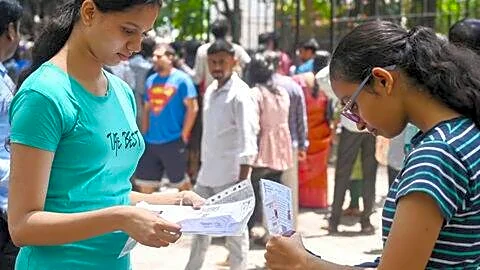
The Supreme Court on Monday declined to issue directions to the National Testing Agency (NTA) to conduct the NEET-UG 2026 re-examination in a computer-based test (CBT) format, instead of the traditional pen-and-paper mode, reported Live Law. The bench, comprising Justice P.S. Narasimha and Justice Aravind Kumar, expressed its unwillingness to grant the relief at this stage and adjourned the matter to July, effectively ruling out any immediate change in the examination format for the re-test scheduled on June 21.
The court was hearing a writ petition filed by Rashtriya Janata Dal (RJD) MP Sudhakar Singh, who had sought multiple directions concerning the conduct of the NEET examination. During the hearing, the petitioner’s counsel clarified that
they were pressing only one request — that the re-examination be conducted in CBT mode.
However, Justice Narasimha pointed out that similar requests had already been rejected by the court in earlier proceedings. “We have dismissed similar matters already,” he observed.
“We will take it up after the vacation,” Justice Narasimha stated while adjourning the matter.
The petitioner argued that authorities were continuing preparations for the re-test in the offline format. The bench, however, highlighted the logistical and administrative challenges involved, especially in light of the recent cancellation of the examination. Justice Narasimha remarked that granting such relief at this juncture was not feasible, noting the significant pressure on the authorities, the report added.
With the court deferring the matter, the June 21 re-test is expected to proceed in the existing offline format.
On Friday, the Supreme Court pulled up the National Testing Agency (NTA) over the NEET-UG 2026 paper leak controversy, telling the examination body to“learn” from institutions like the UPSC while warning that repeated lapses were eroding trust in the system.
“UPSC has never been in such a situation. You need to learn,” Justice Narasimha remarked during the hearing.
“Despite a high-powered committee, if this incident happened, there is something wrong with the original recommendation, or there is no proper implementation,” the bench added.