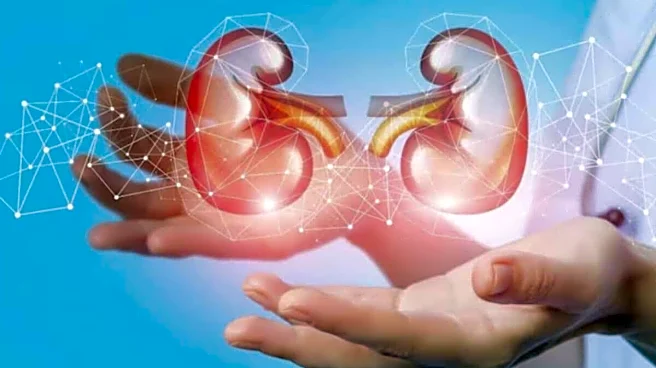




Kidney-related diseases have slowly become one of the most prevalent ones in India. From Chronic Kidney Disease (CKD) to kidney stones and acute kidney injury, there are a slew of issues that can occur with these bean-shaped organs. In fact, CKD affects an estimated 13% to 16% of adults in India, with rural prevalence (15.34%) exceeding urban rates (10.65%), according to a 2025 report.
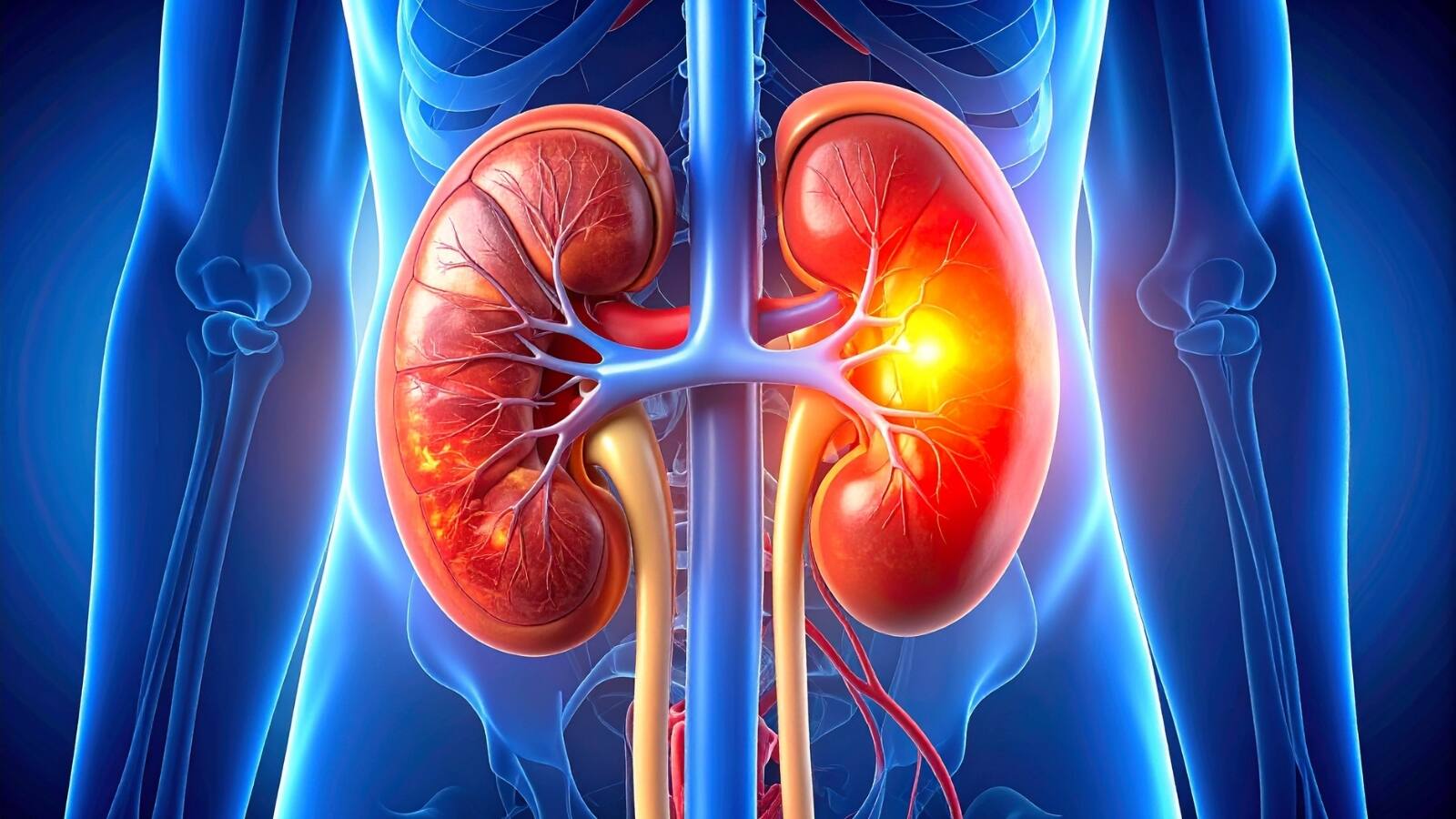
Kidney diseases occur when the organs that are vital to filtering blood, removing the body’s waste and balancing fluids are damaged. Some of the easiest ways to harm your kidneys are actual normal activities that people do regularly – eating processed food, meat and too much salt, not drinking enough water, smoking and drinking, among others.
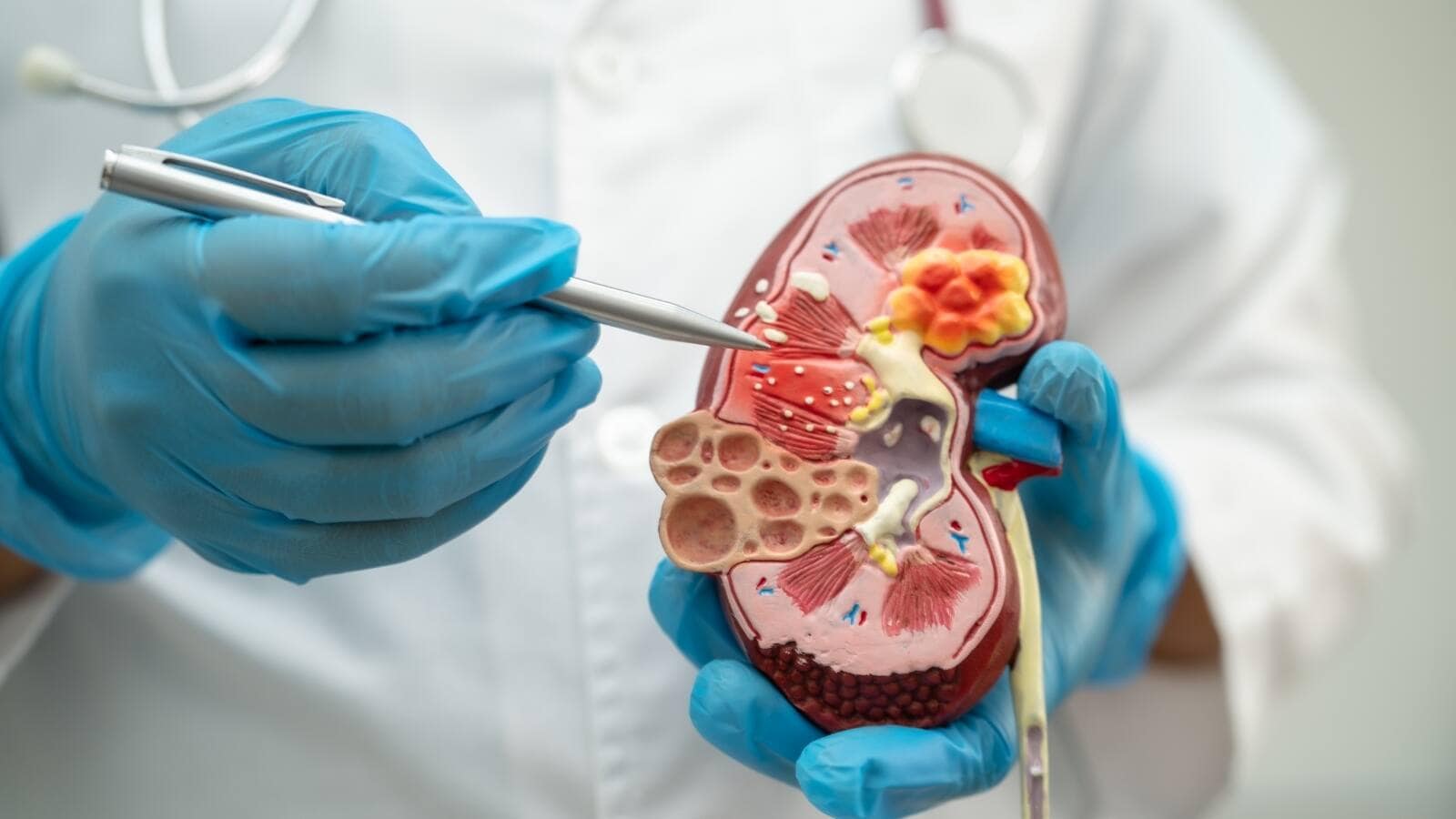
Kidney Function Tests
Mandatory For Adults
Recently, a Parliamentary Standing Committee on Health and Family Welfare has recommended that everyone aged 20 years and above should have mandatory kidney function tests (KFTs) every six months, PTI reported.
They also suggested that people at higher risk of developing kidney-related diseases should have screenings that include kidney function assessment using estimated glomerular filtration rate (eGFR) and urine albumin/protein testing, along with appropriate referral and follow-up.
The panel said the principal high-risk groups requiring periodic screening included people with diabetes and hypertension, which together account for the majority of CKD cases in the country.
These strong recommendations come as part of a policy shift by the government from treating advanced kidney failure to preventing and slowing disease progression.
The biannual KFT is supposed to be provided free of cost to people below the poverty line and at a nominal cost to those above the poverty line under the National Programme for Prevention and Control of Non-Communicable Diseases.
But what is a KFT aka kidney function test, and how will people benefit from doing them? We spoke to two kidney experts to understand more:
Kidney Function Tests
A KFT is a simple way of checking how efficiently the kidneys are doing their job. Blood tests such as creatinine and eGFR tell us about the kidney’s filtering capacity, while a urine test can pick up protein or other changes that may indicate kidney damage.
Dr Sagar Shah, Vice President, Neuberg Ajay Shah Laboratory, Mumbai, says. “The important thing is that in the early stages of kidney disease, it often does not cause any noticeable symptoms. A person can feel completely well while changes are already developing, which is why these tests can be useful for early detection.”
Kidney Health: Prevention Is Better Than Cure
The welfare committee is calling for India to adopt a prevention-first approach under the NP-NCD, with Ayushman Arogya Mandirs playing a greater role in kidney-health awareness, lifestyle modification, risk-factor counselling and early identification of CKD.
The idea is that the country cannot rely on just two methods – dialysis, an expensive and painful treatment for patients, or transplantation, a long, arduous process – when it is facing a substantial and continuously growing CKD burden. “There is an urgent need to reorient national priorities towards prevention, early detection and slowing disease progression so as to reduce the future demand for kidney replacement therapy,” the committee said.
Dr Sagar Shah adds, “The concern is that we often detect kidney disease quite late because people tend to get tested only when symptoms appear. By then, kidney function may already have declined considerably. Starting conversations around screening from a young age could help identify people who have silent risk factors or early abnormalities.”
Kidney Health For The Youth, Too
With the government panel recommending young adults to also regularly get KFTs, the concern is that kidney-related diseases are not something only older people have to deal with. When asked why this is the case, Dr Jatin Kothari, MD DM, Consultant Nephrologist & Transplant Physician, P.D. Hinduja Hospital and MRC, Khar, says, “Kidney disease is no longer considered to be restricted to older adults. We are seeing more younger adults being diagnosed with kidney issues.”
Youth are at risk of developing kidney disease, which includes obesity, hypertension and early-onset diabetes. Inappropriate or long-term use of painkillers, use of alternative medications, especially in people with underlying autoimmune disorders, is a major contributor to kidney disease. Dr Jatin Kothari adds, “Certain dietary preferences, like high salt or excess protein intake, and not drinking enough water, may contribute to kidney disease. The major concern is that early kidney damage often has no obvious symptoms, so a person can feel completely healthy, while their kidney function is declining.”
High-Risk Individuals Need Attention
As we turn our attention to the younger generation, this does not mean that high-risk individuals should be neglected. Dr Sagar Shah describes them as “anyone suffering from diabetes or high blood pressure” who needs to be cautious about their kidney health since these illnesses harm the kidneys over time.
He added, “Individuals who are suffering from obesity, heart disease, have a family history of kidney issues, recurrent kidney stones, or possess urinary ailments may also have a higher chance of getting kidney disease.”
Kidney health is something that everyone needs to take more seriously. While data shows that at 14.80%, men are more likely to be affected than women (13.51%), this doesn’t mean much as the difference between the two genders is minimal. Getting regular health checkups and living a healthy lifestyle have to go hand-in-hand. Neither of these things can be avoided if you want to improve your kidney health.




/images/ppid_59c68470-image-17894700325421874.webp)

/images/ppid_59c68470-image-17894500271839418.webp)
/images/ppid_59c68470-image-178944509171719231.webp)