
/images/ppid_59c68470-image-178914503440362465.webp)

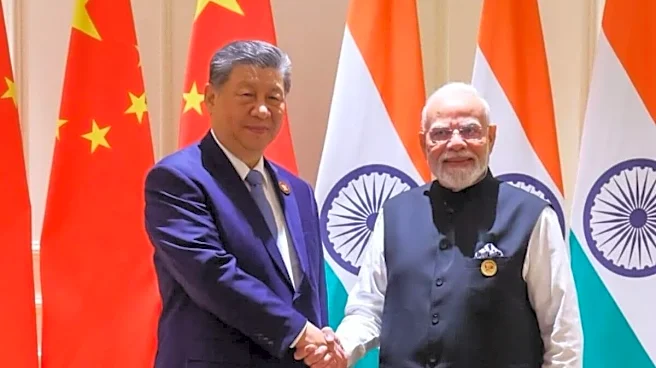
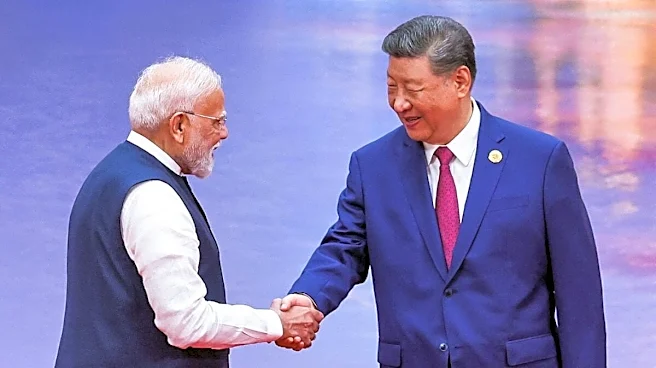
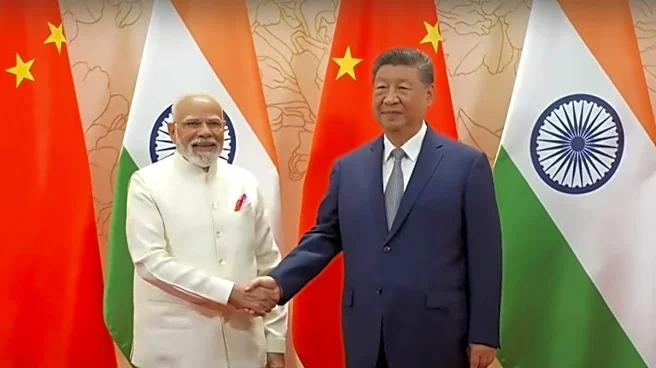
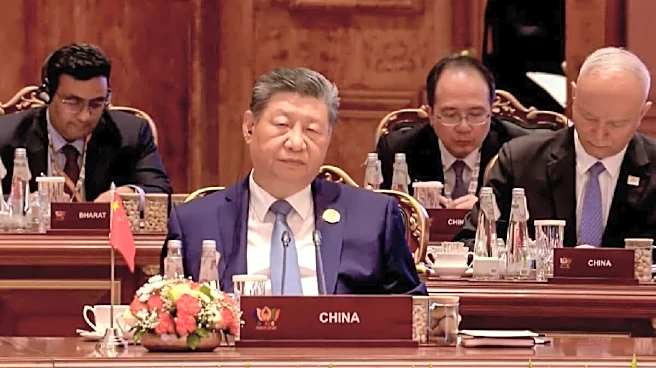
The bilateral exchange between Indian Prime Minister Narendra Modi and Chinese President Xi Jinping on the sidelines of the XVIII BRICS Summit in New Delhi on Saturday has drawn intense global media scrutiny. International publications framed the nearly 50-minute dialogue at Bharat Mandapam as a pivotal moment for Asian stability and Global South alignment.
A Pragmatic Thaw Amid Global Turbulence
Western media outlets highlighted the cautious optimism surrounding the talks, describing the encounter as a necessary, pragmatic reset between the world’s two most populous economies. Reports underscored that while deep-seated structural issues remain, both leaders explicitly agreed that “differences should not become disputes“.
Major global commentators noted the strategic timing of the encounter.
Occurring right after the adoption of the joint New Delhi Declaration, foreign outlets observed how shared concerns over global trade protectionism, volatile supply chains, and rising Western tariffs acted as a catalyst, bringing New Delhi and Beijing back to the negotiating table.
Border Stability Takes Centre Stage
A common thread across foreign press coverage was the central emphasis on border management. International correspondents reported heavily on New Delhi’s firm stance that long-term peace along the Line of Actual Control (LAC) remains the foundational prerequisite for fully normalized bilateral ties.
Key details spotlighted by international press include:
- Border Agreements: Both sides reaffirmed the necessity of respecting existing protocols to maintain peace and tranquility across frontier zones.
- Economic Reciprocity: Global financial press focused on discussions regarding market access, structural trade imbalances, and stabilising cross-border supply chains.
- Multipolar Alignment: Asian and Middle Eastern outlets underscored President Xi’s call for both nations to promote an equal, orderly multipolar world under the broader BRICS umbrella.
Global South Leadership and Geopolitics
Commentators in state and independent media across Asia emphasized the broader geopolitical implications of the high-stakes meeting. Rather than viewing the talks through a purely bilateral lens, foreign press framed the Modi-Xi engagement as a strong signal that the Global South intends to manage its own regional security and economic agenda.
Ultimately, global media coverage reflected a consensus view: while historical grievances continue to require careful handling, the New Delhi summit demonstrated a mutual resolve to prioritise long-term stability and strategic economic cooperation on the world stage.
/images/ppid_59c68470-image-178913009910625659.webp)

/images/ppid_59c68470-image-178912505361262002.webp)
/images/ppid_59c68470-image-178922502601593956.webp)

/images/ppid_59c68470-image-178913506932268890.webp)

/images/ppid_59c68470-image-178914254024847217.webp)