


/images/ppid_a911dc6a-image-178468682494877885.webp)
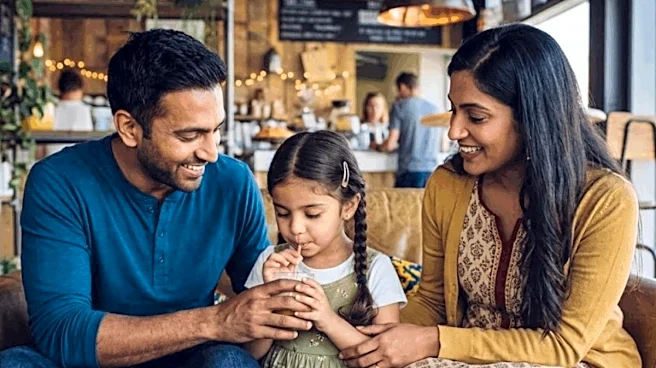
Finding love after divorce or the loss of a spouse is rarely simple. For single parents, however, the journey often involves far more than scrolling dating apps or opening up to someone new. It also means weighing every romantic decision against the emotional wellbeing of their children, even when those children have never asked them to do so.
For single parents, the journey isn’t just about rediscovering romance, it’s an intricate emotional negotiation between personal happiness and parental responsibility. A new survey by Rebounce, an Indian matrimony and matchmaking platform for divorced, separated, and widowed individuals, highlights an often-overlooked emotional reality of single parenthood.
The survey found that 47% of respondents said their
children quietly influence their romantic choices, even if they are not directly involved in the matchmaking process.
Why Do Single Parents Feel Guilty About Falling In Love Again?
“Sometimes I like someone, but before I reply to their message, I ask myself one question, will this make my daughter feel less secure?” says Neha from Gurugram, a 37-year-old widowed single mother to a 7-yearold daughter.
The survey suggests that many single parents admitted that guilt quietly accompanies even the happiest moments in a new relationship.
According to the findings, 41% of single parents across Tier 1, Tier 2, and Tier 3 cities said feelings of guilt become strongest when their romantic lives are going well. Meanwhile, six in ten worried their children might interpret a new partner as someone replacing their other parent.
Another 36% as per the survey said prioritising their own happiness can feel selfish, leaving them concerned that investing emotionally in a new relationship could somehow diminish the love and attention they give their children.
Interestingly, 7 out of 10 parents noted that this hesitation often stems not from the children’s resistance, but from their own internal fears. Meanwhile, 33% of single parents in metros and suburbs said they pick up on subtle cues — a child going quiet or asking more questions about their whereabouts and adjust their romantic decisions accordingly. Many admitted to overanalysing even harmless reactions.

Like in the case for Sandeep, a 40-year-old from Hyderabad divorced and father to a 12-year-old boy, the hesitation looks different. “Every time I think about introducing someone new into our lives, I wonder if I’m being selfish for wanting companionship.”
The Habit of Personality Editing
The emotional balancing act extends beyond parenting and into dating itself. The survey uncovered what it described as a habit of “personality editing.”
Nearly 49% of participants aged 30–45 confessed they unconsciously suppress parts of themselves when interacting with potential matches. They no longer see themselves purely as individuals, but as representatives of their family unit.
Commenting on the findings, Ravi Mittal, Founder and CEO of Rebounce, said single parents are engaged in “a constant emotional negotiation.” According to him, the challenge goes beyond balancing love and parenting. Every decision is weighed against questions of whether it is acceptable to have a personal life, whether a new relationship might affect their bond with their children, and whether a partner can become part of a safe, stable, and sustainable environment for the entire family.
The findings reflect a psychological phenomenon that often accompanies single parenthood: role conflict. Instead of separating their identity as an individual from their identity as a parent, many experience the two as deeply intertwined. As a result, personal desires are frequently filtered through the lens of parental responsibility.



/images/ppid_a911dc6a-image-178485725300659450.webp)