

![[Watch] Joe Root gets saved by a no-ball as Mohammad Ali errs at crucial stage](https://glance-mob.glance-cdn.com/public/cardpress/binge-magazine-card-generation/spaces/IN/en/crictracker-spaces/images/ppid_49c02804-image-178921502858282188.webp)

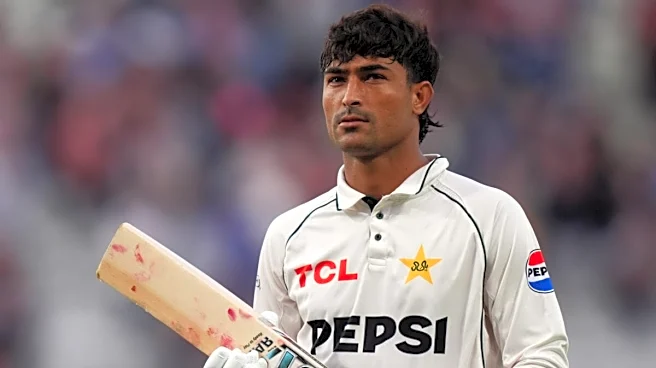
Razaullah’s introduction to Test cricket came in the middle of a crisis for Pakistan. Brought into the XI as one of seven changes for the third and final Test against England at Edgbaston earlier this year, the uncapped fast bowler had only eight first-class matches behind him.
He wasted little time making an impression.
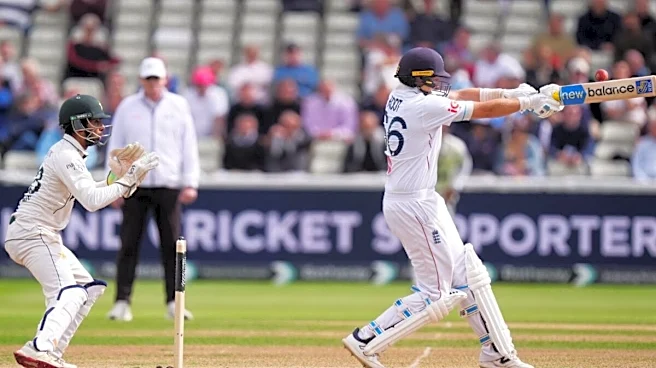
With the ball, Razaullah bowled with pace and claimed the wickets of Joe Root and Jamie Smith. But it was with the bat that he would make a wider impression.
When he arrived at the crease, Pakistan were 312/7 and still in danger of suffering an innings defeat on Friday. What happened next transformed an unfamiliar name into one of the biggest talking points of the Test.
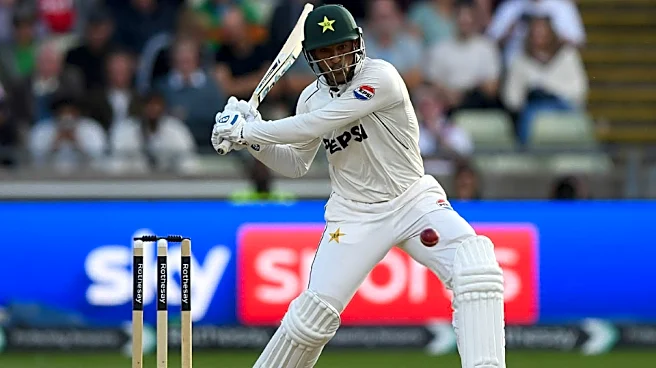
Razaullah launched a remarkable counterattack, smashing 81
from just 63 deliveries and clearing the ropes nine times against an England attack featuring Jofra Archer, Gus Atkinson and Josh Tongue. His assault pulled Pakistan out of serious trouble and also placed him in the record books, with his nine sixes equalling the most by a batter in a Test innings on debut.
For all the drama of his Edgbaston performance, however, the display was not entirely unexpected.
The Mardan-born cricketer had already shown signs of his batting ability in domestic cricket. He made his first-class debut in November 2025 and, among his early appearances, scored a century for Peshawar after opening the innings.
His principal role, though, remains that of a fast bowler.
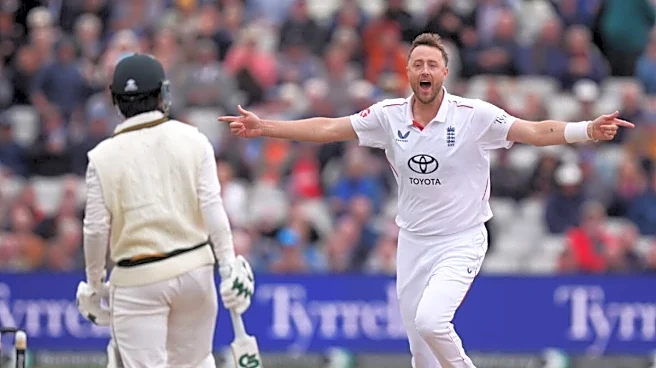
Razaullah had offered an early glimpse of what he could do with the ball at Edgbaston when he dismissed England great Joe Root with his fourth delivery in Test cricket. His figures subsequently became expensive, but the breakthrough underlined the potential Pakistan had identified in him at a time when the team was undergoing significant change.
His entry into the side had itself been anything but conventional.
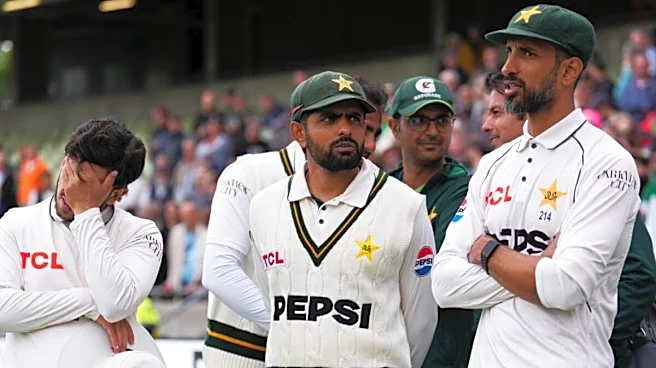
Following Pakistan’s defeat at Lord’s, the team underwent a major overhaul, with seven players dropped and two coaches also removed. Razaullah was drafted into the XI at short notice, leaving him little opportunity to ease himself into international cricket.
Instead, he embraced the occasion.
“I enjoyed the standing ovation,” Razaullah said with a smile at the press conference. “I like to enjoy life and I was relishing the moment.”
That same freedom was evident in his batting. Faced with a high-quality England pace attack, Razaullah refused to let the reputation of his opponents dictate his approach. He trusted his strengths, picked his moments and attacked whenever he saw an opportunity.
“I was being selective with which balls to slog, but they all seemed within range,” he said casually. “I wanted to take it as deep as possible. I wasn’t scared of pace. I wanted to punish the balls from Archer that landed on a hard length. There’s nothing to be scared of when you’re playing for your country. I was just enjoying myself.”
Archer, in particular, found that the debutant had no intention of backing away from the short ball.
“My favourite ball (to face) is the short ball,” Razaullah quipped.
By the time Razaullah finally fell for 81, Pakistan had gone from staring at an innings defeat to leaving England with a fourth-innings chase.
“I just believed in myself. I thought if I played 50 balls, I’d get a positive result. And thankfully that happened,” he said.