

/images/ppid_a911dc6a-image-177738757385260478.webp)

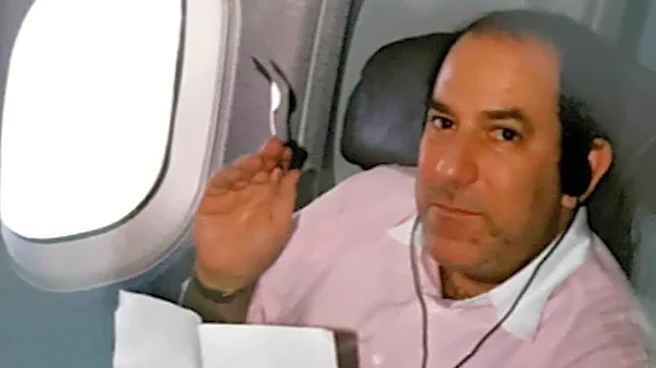
For years, flying wasn’t just something Steven Rothstein did. It was who he was.
In 1987, the Chicago-based stockbroker paid USD 250,000 for something that sounded almost unreal: a lifetime first-class ticket from American Airlines. The deal, part of the airline’s AAirpass programme, allowed him to fly anywhere in the world, as often as he wanted, for the rest of his life.
He used it fully.
Rothstein flew so often that airports became part of his daily routine. “Steven got on a plane like most people get on a bus,” his former wife recalled, according to The Guardian.
There were days he would leave for a trip in the morning and return before anyone at home even realised he had gone. At other times, his family would call his office just to find out
which country he was in. Over the years, he logged tens of millions of kilometres in the air, becoming one of the airline’s most frequent passengers.
The pass didn’t just shape his travel, it shaped his life.
He built relationships across airports and flights, knew airline staff by name, and treated American Airlines almost like an extended home. “This is daddy’s playground,” he once said while bringing his daughter to the airport as a child.
For his family, the ticket opened up a world that few people experience. They travelled across continents, often on impulse, turning ordinary weekends into international trips. The freedom to move, to leave at a moment’s notice, became central to how they lived.
But that life came to a sudden halt.
On 13 December 2008, Rothstein was at the airport, about to board a flight, when he was handed a letter. His lifetime pass had been terminated.
American Airlines had spent years reviewing the cost of such passes and investigating how they were being used. The airline claimed Rothstein had violated the terms of his agreement, including making what it described as “speculative bookings.”
Rothstein saw it differently.
“When I bought the AAirpass, in no uncertain terms, they told me that there was only one rule: I couldn’t give anybody the AAirpass,” he said.
The loss was not just financial. It was deeply personal.
“They stole my personality,” he later said. “They stole my love.”
He sued the airline in 2009, but the case dragged on for years and was eventually resolved without restoring his pass.
What remained was the memory of a life built around movement — and the sudden stillness that followed.
For Rothstein, the AAirpass had been more than a ticket. It had been, as his family described it, his “pass to freedom.”

/images/ppid_a911dc6a-image-177742955828656314.webp)

/images/ppid_a911dc6a-image-177752682602513841.webp)