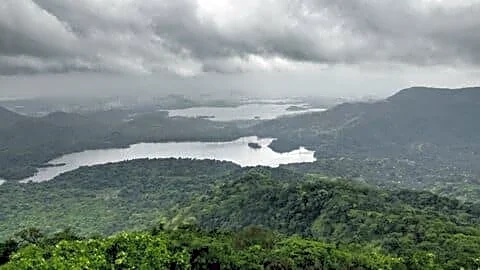

Mumbai has received a major boost on the waterfront, with the city’s seven drinking water reservoirs now holding 88.40% of their total storage capacity, significantly easing concerns over water availability for the coming months. According to the latest reservoir data, the combined live storage has reached 12.79 lakh million litres (ML), thanks to sustained monsoon rainfall across the catchment areas over the past few days.
The biggest milestone is that four of the seven reservoirs—Vihar, Tulsi, Tansa and Modak Sagar—have reached full capacity and are now overflowing, signalling an active and productive monsoon in the region.
The latest data also highlights where the monsoon has been most effective. Middle Vaitarna reservoir recorded the sharpest
increase in the last 24 hours, with its water level rising by 1.90 metres. The catchment received 113 mm of rainfall, the highest among Mumbai’s reservoir network during the period. Meanwhile, the Upper Vaitarna catchment recorded 80 mm of rainfall, helping push the reservoir’s storage to 75.76% of its capacity.
Meanwhile, Bhatsa, Mumbai’s largest and most crucial source of drinking water, has reached 86.86% storage. Bhatsa alone contributes a substantial share of the city’s daily water supply, making its steady rise particularly significant for Mumbai’s long-term water security.
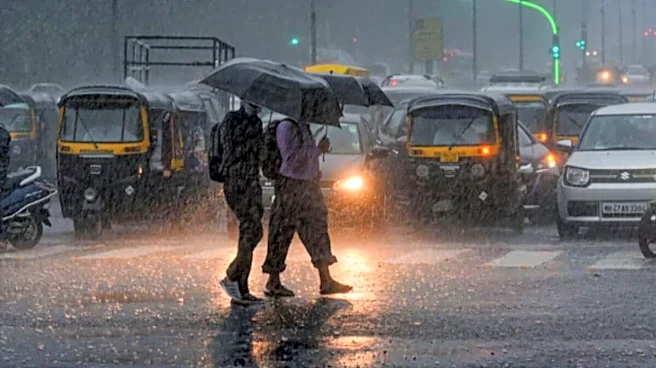
The latest figures also underline how quickly the reservoir situation has improved following consistent monsoon rainfall. Just a few weeks ago, civic officials were closely monitoring reservoir inflows as storage levels gradually rose. However, a series of intense rain spells across the catchment areas has dramatically changed the picture, pushing several reservoirs to capacity well before the monsoon reaches its peak.
Mumbai draws its drinking water from Bhatsa, Upper Vaitarna, Middle Vaitarna, Modak Sagar, Tansa, Vihar and Tulsi reservoirs. Together, they form the city’s lifeline, supplying water to millions of homes, hospitals, schools, commercial establishments and industries every day. Their storage levels often determine whether the Brihanmumbai Municipal Corporation (BMC) will need to impose precautionary water cuts during the dry season.
The overflowing of four reservoirs is also expected to improve downstream river flows and reflects healthy inflows from the surrounding catchment areas. However, water managers continue to closely monitor rainfall patterns, as extremely heavy rainfall can also increase the risk of flooding in low-lying areas. Balancing reservoir storage while ensuring flood safety remains a key responsibility during the monsoon.
The Numbers That Matter
Total reservoir storage: 88.40%
Available water: 12.79 lakh million litres
Reservoirs overflowing: 4 (Vihar, Tulsi, Tansa and Modak Sagar)
Highest 24-hour water level rise: 1.90 metres (Middle Vaitarna)
Highest rainfall in catchment: 113 mm (Middle Vaitarna)
Bhatsa storage: 86.86%
Upper Vaitarna storage: 75.76%
For a city of over 12 million people that depends almost entirely on these seven reservoirs for its drinking water, reservoir levels remain among the most closely watched civic indicators during the monsoon. Every spell of heavy rain directly impacts Mumbai’s water security and influences whether the city will have to face water cuts later in the year.
With reservoir levels now nearing the 90% mark and the monsoon season still having several weeks to go, Mumbai’s water outlook has become considerably stronger. If rainfall continues at a normal pace, the city is likely to enter the post-monsoon period with comfortable reserves, reducing the chances of water shortages in the months ahead. For millions of Mumbaikars, the latest reservoir data is more than just a statistic—it is a reassuring sign that the city’s most vital resource has been replenished.



/images/ppid_a911dc6a-image-178513852447727582.webp)

/images/ppid_a911dc6a-image-178515408711041448.webp)
/images/ppid_a911dc6a-image-178515074276415174.webp)