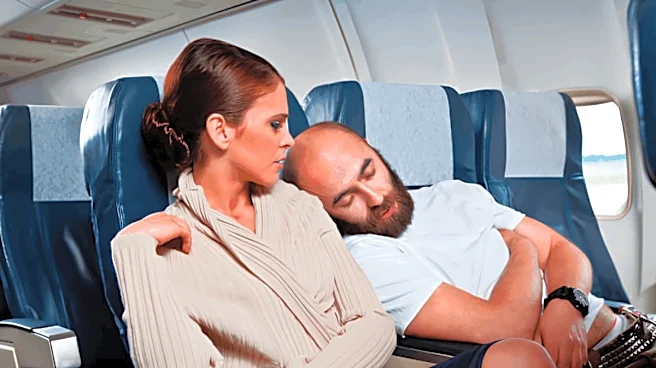



Have you ever settled into your airplane seat, ready for a relaxing flight, only to find your neighbor recording a reel, leaning over your shoulder to capture the perfect sunset? Or perhaps you’ve spent a flight listening to someone else’s movie because they skipped the headphones?
A new survey by Booking.com suggests that modern air travel is becoming less about the destination and more about navigating fellow passengers’ habits. As travellers increasingly treat aircraft cabins like an extension of their living rooms, many say the line between personal comfort and public courtesy is becoming blurred.
The research found that while 67% of travellers admit they behave the same way on a plane as they do at home, nearly 44% believe passengers are
becoming “too comfortable” at 30,000 feet. A growing list of in-flight behaviours that are quietly frustrating those sharing the cabin.
In-Flight Habits Annoy Passengers The Most
According to the survey, some behaviours consistently top the list of in-flight irritations.
The biggest complaints include:
- Watching films or listening to music without headphones
- Bringing strong-smelling or messy food onboard
- Leaning over another passenger to take window photos or videos
- Filming TikToks or social media content during the flight
- Accidentally capturing fellow passengers in social media videos
- Going barefoot
- Walking repeatedly in the aisle to hit fitness goals
- Performing stretches or yoga in the aisle
- Painting, cutting, or filing nails
- Using dental floss
Strong-smelling meals were another major source of frustration. Sushi (38%), garlic-heavy dishes (32%), and boiled eggs (31%) were among the foods passengers least wanted to smell mid-flight.
Is Travel Comfort More Important Than Basic Courtesy?
Almost everyone wants to be comfortable on a flight. Whether it’s taking off your shoes, stretching your legs, reclining your seat, or enjoying your favourite meal, a long journey can make anyone crave the comforts of home. The problem begins when personal comfort starts spilling into someone else’s space.
More than three-quarters i.e. 76% of travellers said comfort is their top priority while flying, particularly on long-haul journeys where passengers spend extended periods in confined spaces.
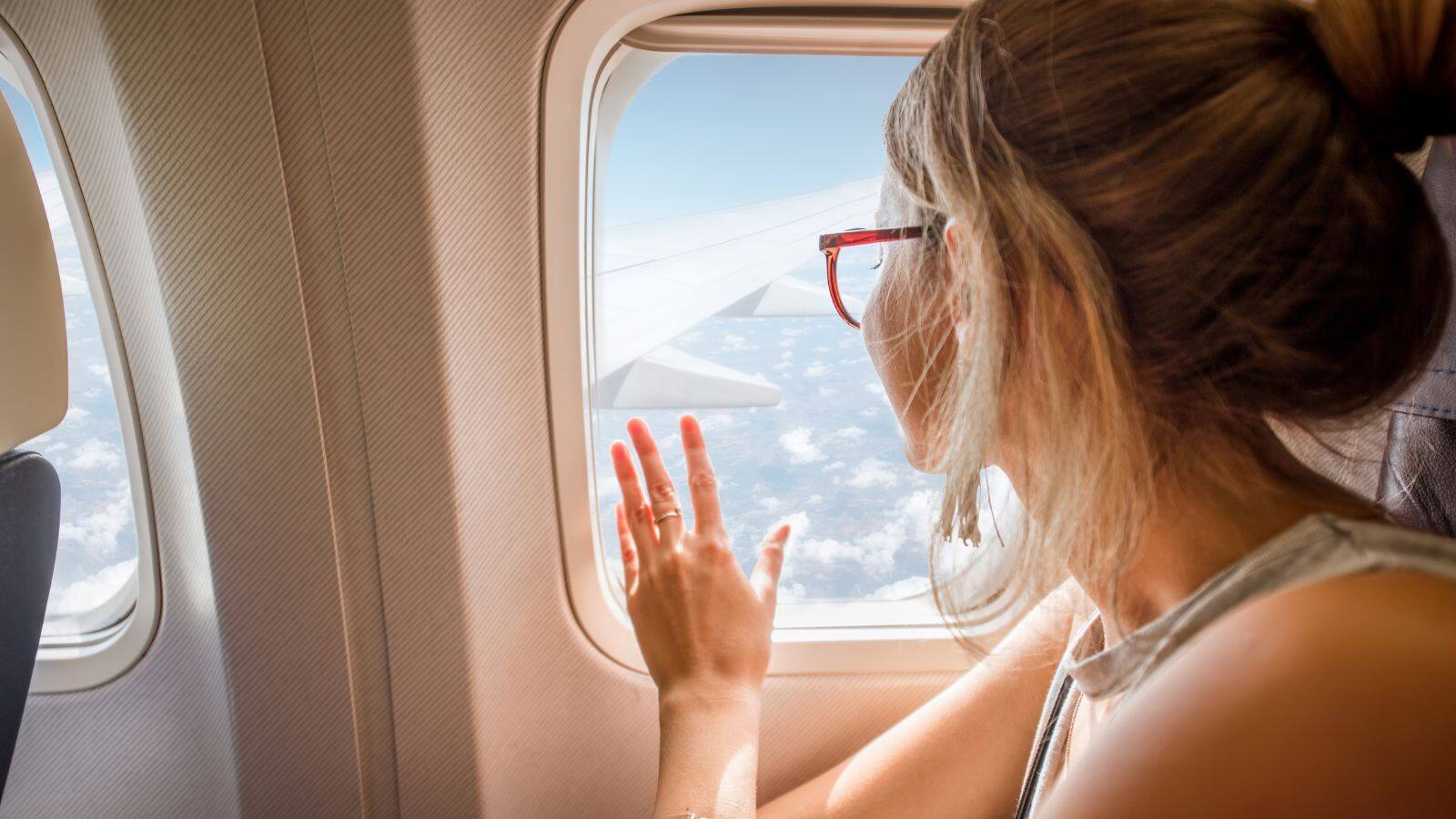
With destinations such as Bangkok ranking among the most searched long-haul flights for British travellers this summer, maintaining good cabin etiquette is becoming increasingly important.
However, travel etiquette experts point out that comfort and courtesy should go hand in hand rather than compete. After all, an aircraft cabin is one of the few places where hundreds of strangers share a confined space for hours with little opportunity to move away from each other. What feels harmless to one passenger may be distracting, uncomfortable, or even stressful for another.
According to Laura Windsor, Booking.com’s etiquette expert, the challenge lies in remembering that an aircraft cabin is still a shared public space.
“Flying has always been a shared experience, but what we’re seeing now is a shift towards people treating it more like their own personal space. Comfort is important, especially on longer journeys, but it should never come at the expense of those around you,” she said.
She added that seemingly minor actions can make a significant difference.
“Sometimes, it’s the smallest in-flight habits that make the biggest difference, whether that’s saving your aisle yoga flow for the terminal, keeping your seatmate out of your TikTok content, or treating the cabin like a shared space rather than your living room. A little self-awareness at 30,000 feet goes a long way.”








/images/ppid_59c68470-image-178492252597828651.webp)