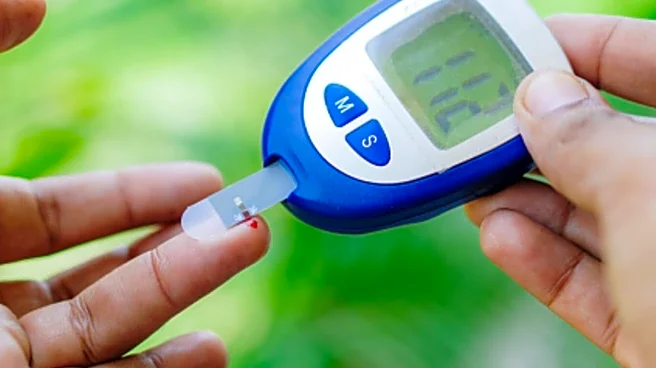

India is in the midst of a diabetes epidemic. According to the ICMR-INDIAB study, an estimated 101 million adults in India now live with diabetes, and another 136 million have pre-diabetes, a condition
that often precedes full-blown disease.
The national average prevalence of diabetes is about 11.4%, meaning more than one in ten adults is diabetic. While urban areas have traditionally shown higher rates, rural India is not far behind. Many people with elevated blood sugar levels remain undiagnosed or unaware.
This is not an abstract statistic, it is the reality behind nearly every telemedicine consultation Dr Shilpa Bhatte, Chief Program Officer, CureBay has with patients from rural Odisha. A clear pattern emerges repeatedly: a predominantly vegetarian diet, non-vegetarian food consumed only on certain days, and staple meals centred around rice, dal, and a limited variety of vegetables.
This diet is culturally familiar and socially accepted. But from a metabolic perspective, as Dr Shilpa Bhatte explains, it is often high in carbohydrates and low in protein and diversity—a combination increasingly linked to rising diabetes risk in India.
In a 15-minute consultation, a doctor can diagnose high blood sugar and advise lifestyle changes. But, as Dr Shilpa Bhatte notes, true behaviour change rarely begins and ends within that brief window.
Food practices are deeply rooted in religion and culture. When dietary advice challenges identity, people often hear it as criticism not care.
We frequently tell patients to “eat better” or “eat homemade food.” But what does that actually mean for someone whose entire food world begins and ends with rice and dal? This, according to Dr Shilpa Bhatte, is exactly where frontline health workers become indispensable.
Doctors + Frontline Workers: A Partnership to Beat Diabetes
Doctors can:
Detect risk early
Explain the science of metabolism
Set clear targets for blood glucose and weight
Frontline workers can translate this into practice by:
Reinforcing nutrition education in local languages
Suggesting affordable, locally available protein options (eggs, pulses, dairy, fish where culturally acceptable)
Explaining the why, not just the what
Following up repeatedly, with empathy
Linking advice to everyday life, work capacity, energy levels, and child health
As Dr Shilpa Bhatte emphasises, this partnership bridges the critical gap between clinical advice and lived behaviour.
Changing Culture, Not Condemning It
We cannot expect a single tele-consultation to undo generations of dietary habits. But we can use the combined influence of healthcare teams to reshape community norms.
Because diabetes is not just a medical condition, it is a behavioural consequence of what we eat, how we live, and what we believe.
And unless, as Dr Shilpa Bhatte warns, we harness community trust and sustain dialogue over time, we will continue to watch diabetes spread not because it had to, but because we allowed it to.
Doctors diagnose. Frontline workers translate. Communities change. That’s how we beat diabetes.




/images/ppid_59c68470-image-177083253119523769.webp)



/images/ppid_a911dc6a-image-177083203099181355.webp)