
/images/ppid_59c68470-image-177600510203099913.webp)
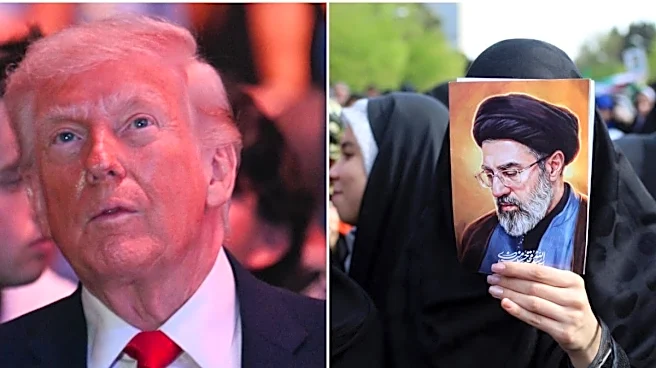
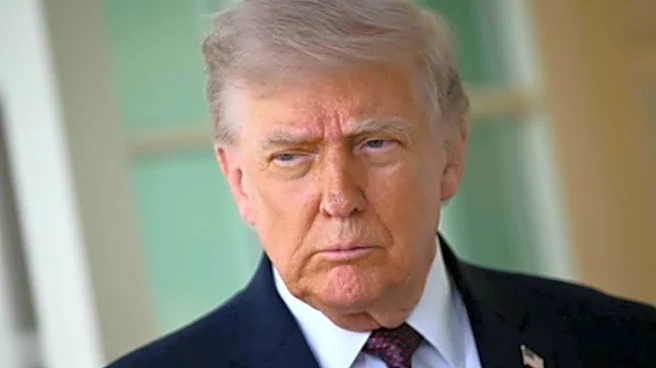
US President Donald Trump signalled on Tuesday that fresh talks with Iran could take place in Pakistan “over the next two days,” an indication that diplomatic efforts may be regaining traction after last week’s inconclusive mediation in Islamabad.
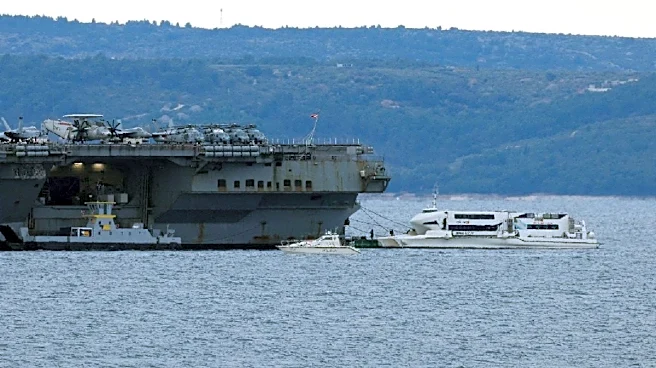
The prospect of renewed negotiations comes at a critical juncture. A temporary ceasefire between the United States and Iran is set to expire on April 22, raising concerns about a potential escalation if talks fail to materialise. Compounding those concerns, the United States has blockaded the Strait of Hormuz, effectively halting maritime traffic through one of the world’s most vital energy corridors — a disruption that is already weighing on India and other Asian economies reliant on the route for
oil and energy supplies.
“You should stay there, really, because something could be happening over the next two days, and we’re more inclined to go there,” Trump told New York Post. “It’s more likely, you know why? Because the field marshal is doing a great job.”
The US President was referring to Pakistan Field Marshal Gen. Asim Munir. “He’s fantastic, and therefore it’s more likely that we go back there,” he added. “Why should we go to some country that has nothing to do with it?”
Check US-Israel-Iran War News For LIVE Updates
While logistical details are still being worked out, there is growing urgency to convene talks within the next two days.
Pakistan, which played a behind-the-scenes role in facilitating earlier backchannel engagements, is now actively pushing what insiders describe as the “Islamabad peace deal.” Diplomatic sources say Islamabad is using its channels with both Washington and Tehran to fast-track a breakthrough, projecting itself as a stabilising force amid escalating regional tensions.
Iranian leadership is said to be willing to move forward provided it secures concrete assurances that allow it to frame the outcome as a strategic win domestically.
According to sources, draft frameworks and minutes from previous Islamabad-based discussions have already been shared with leadership circles in both capitals. These drafts are now under active review, with efforts underway to build internal consensus before formal negotiations resume.
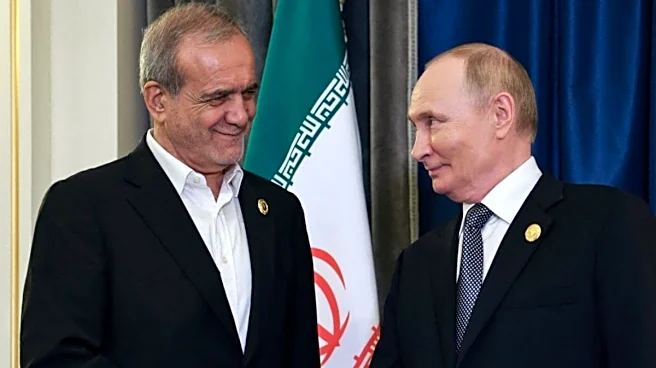
Iran has also reportedly consulted key allies, including Russia and China, before signalling conditional approval for continuing talks. This external consultation underscores the broader geopolitical stakes surrounding the negotiations.