

/images/ppid_59c68470-image-179199503212299001.webp)

Your next holiday may not begin with a search for a hotel room. It could start with your family debating whether to book an entire villa, your friends splitting the cost of a holiday home or you looking for an apartment where you can work remotely without spending the entire day on your bed.
This shift is becoming increasingly visible in India’s travel landscape. Booking.com’s latest report, How India Travels 2026 – The Homes Edit, explores how homestays, holiday rentals, villas and serviced apartments are moving from niche choices to mainstream accommodation options.
Why Are More Indians Choosing Alternative Accommodations?
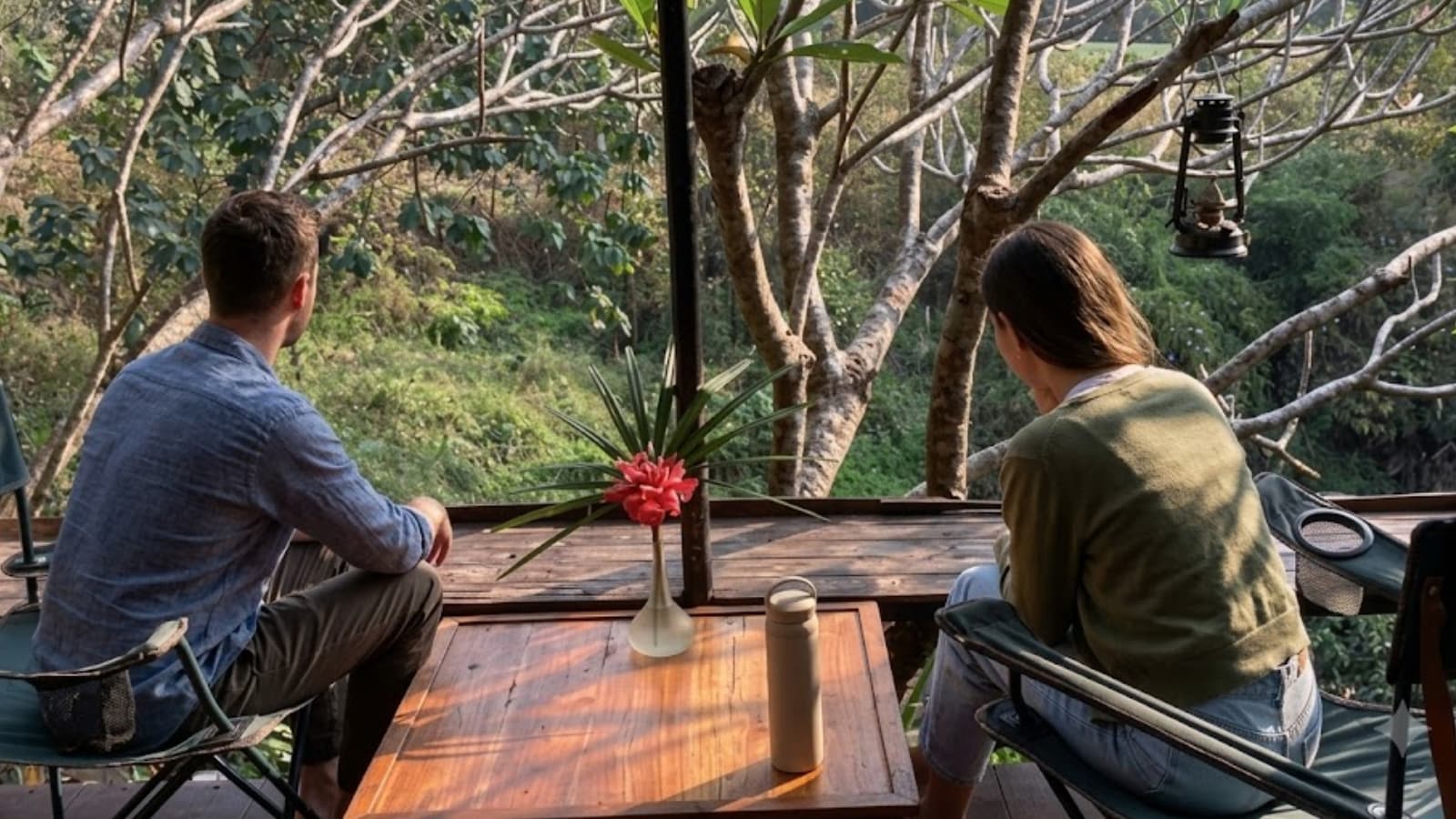
Think about a family holiday where grandparents, children and cousins are travelling together. Booking several hotel rooms can make coordinating meals, downtime and family plans
difficult. An entire holiday home, with shared living spaces and a kitchen, can offer a more convenient alternative.
The report found that 83% of surveyed travellers considered alternative accommodation ideal for families and groups. Meanwhile, 87% said these stays helped create more meaningful memories, and 85% associated them with authentic local experiences.
For travellers, that could mean staying in a Goan villa with friends, booking a homestay to experience local food or choosing an apartment that offers more privacy than a conventional hotel room. Value is another consideration, with 83% of respondents saying alternative stays offered good value for money.
Looking Beyond Popular Tourist Destinations
India’s alternative accommodation boom is not limited to established holiday hotspots. While major cities and traditional leisure destinations accounted for 46% of 2026, smaller cities, religious centres and emerging leisure destinations are gaining ground.
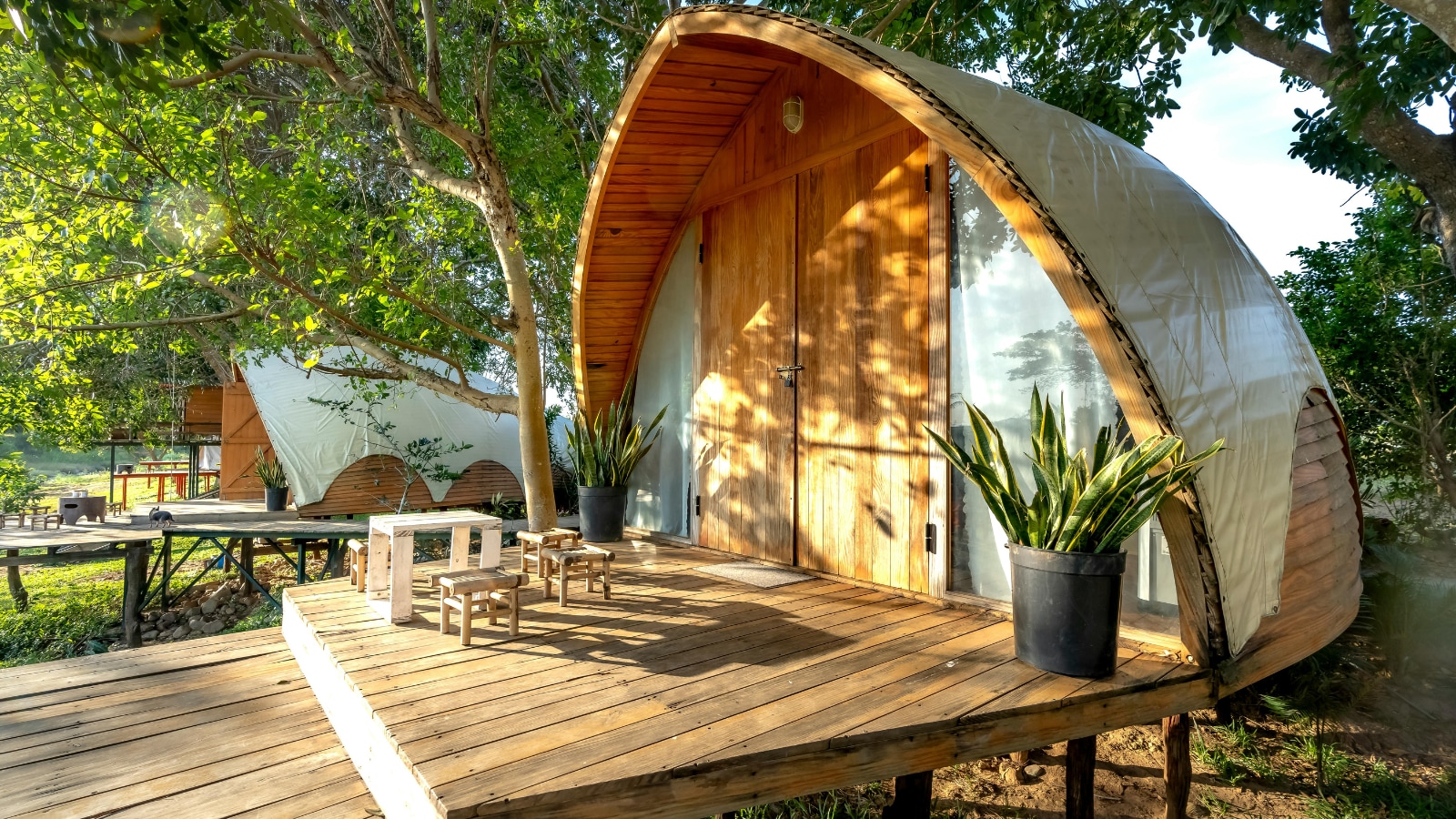
Between June 2025 and June 2026, alternative accommodation listings more than doubled in Greater Noida, Ghaziabad, Indore and Ayodhya, according to the report.
This could make a difference during festival weekends, religious visits and major events, when conventional hotel rooms can be harder to find. The report also points to an estimated shortage of more than 200,000 hotel rooms in India, creating opportunities for homestays and other accommodation formats to meet demand in underserved destinations.
Are Business Travellers Booking Alternative Stays?
Holiday homes are no longer reserved for leisure trips. Business travellers accounted for 19% of alternative accommodation bookings in 2026, a number projected to reach 21% by 2027.
For someone travelling to Bengaluru for a three-day assignment, an apartment with a separate bedroom and workspace may be more practical than a standard hotel room. Travellers can work, prepare meals and unwind without having to use the same space for everything.
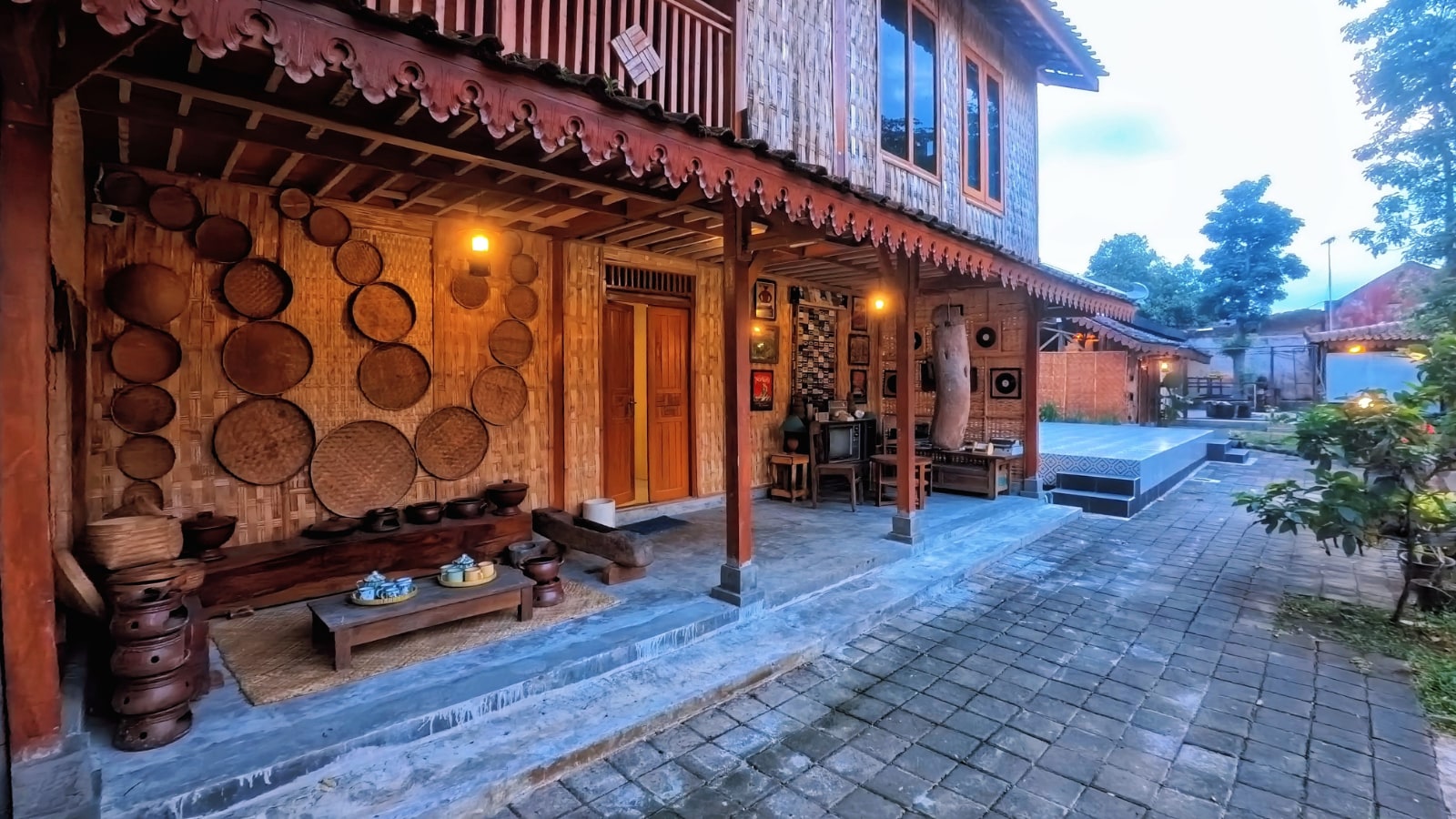
According to the report, 41% of business travellers cited more living space and a separate bedroom or workspace as a key motivation. Another 40% valued the ability to accommodate family members or colleagues, while 39% sought more localised experiences.
What Does This Mean For India’s Travel Industry?
The growth is also changing how accommodation providers operate. Digitally distributed alternative accommodation listings increased from 102,200 in FY23 to 215,000 in FY26. The report projects the segment’s gross booking value to grow at a compound annual rate of 21.2% through FY29.
Shri Suman Billa, IAS, Additional Secretary & Director General, Ministry of Tourism, Government of India, said: “India is expanding travel opportunities and making tourism-led growth more inclusive. The government is strengthening connectivity and destination infrastructure, improving access to finance and skills for micro-entrepreneurs and women-led businesses and raising quality standards, thus helping tourism businesses thrive and delivering better experiences for travellers.”
Technology is playing a growing role, too. Across seven cities studied, properties with high dynamic-pricing scores generated between 108% and 190% higher revenue per available room than those using fixed pricing, with Goa recording the largest difference.

Santosh Kumar, Regional Head, South Asia at Booking.com, said, “As local hosts adopt tech-driven tools, they are not only meeting the diverse demands of modern travellers, but are also building sustainable, scalable business models that contribute directly to local economies. Alternative accommodation is no longer an ‘alternative’; it has become a core driver of modern travel culture across the country.”
For travellers, the growing choice of homestays, apartments and holiday rentals means accommodation can be selected around the kind of trip they want, rather than simply where they need to sleep. The next big change in Indian travel may not just be about discovering new destinations, but also finding a stay that becomes part of the experience itself.
/images/ppid_59c68470-image-179215010108243678.webp)