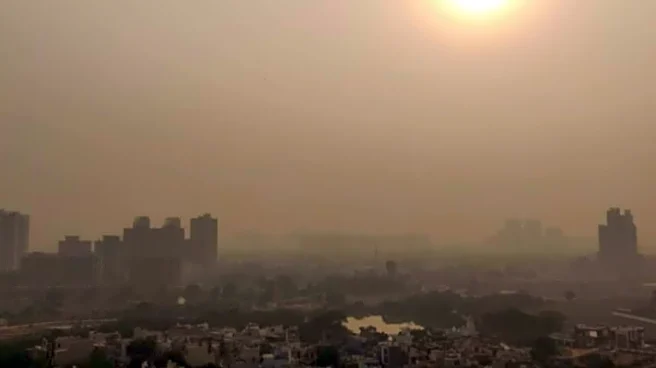




Bengaluru’s air quality has worsened, entering the poor category with Air Quality Index (AQI) levels ranging from 140 to 175 in various parts of the city. Busy locations such as Hebbal, Silk Board Junction, and BTM Layout have recorded highs around 158, signalling a notable decline in air conditions.
The main causes include heavy traffic congestion, elevated dust levels from roads and construction, and misty weather that traps pollutants near the ground. This combination has led to increased discomfort for residents, particularly during rush hours when pollution feels more intense.
Health authorities have issued a clear advisory: children, elderly people, and individuals with respiratory conditions like asthma, allergies, or breathing difficulties
should wear masks outdoors and reduce prolonged exposure to open air. These groups face higher risks from the current pollutant levels.
In contrast, several other Karnataka cities are enjoying much cleaner air. Coastal areas like Mangaluru and Udupi, along with Mysuru and Chamarajanagar in the south, continue to register good AQI readings, making them ideal for outdoor activities, exercise, and daily life without pollution concerns.
Officials are urging everyone in Bengaluru to stay cautious—limit time spent outside, follow the health guidelines, and monitor updates until conditions improve. While the city grapples with these challenges, the stark difference across Karnataka highlights how localised factors like traffic and geography influence air quality. Residents are encouraged to take simple steps to protect their health during this period.





/images/ppid_59c68470-image-177097504074518728.webp)