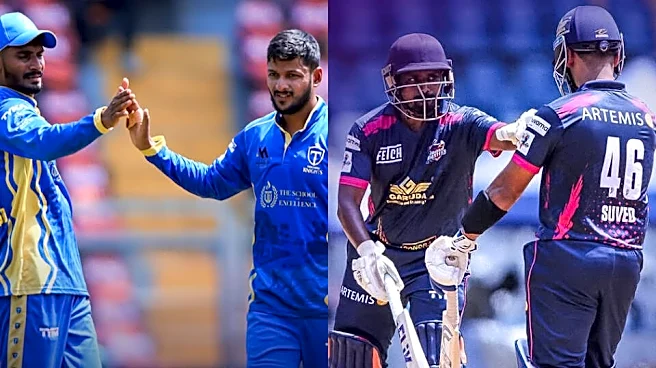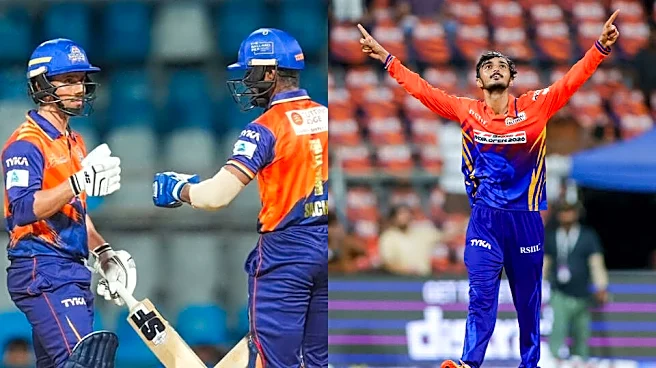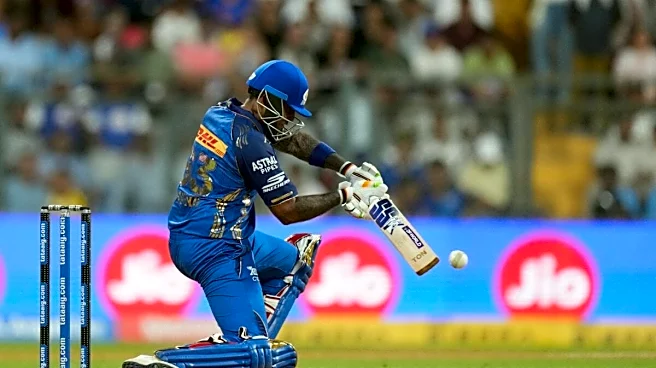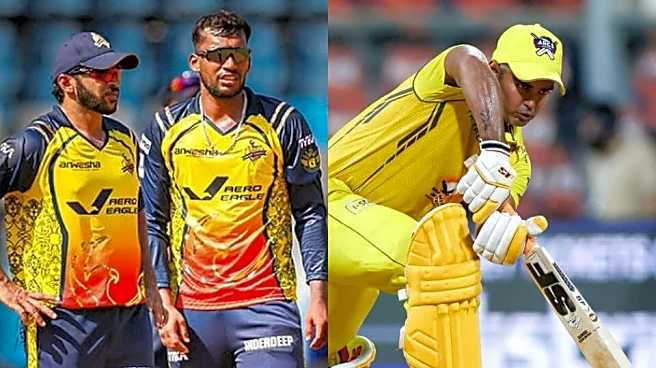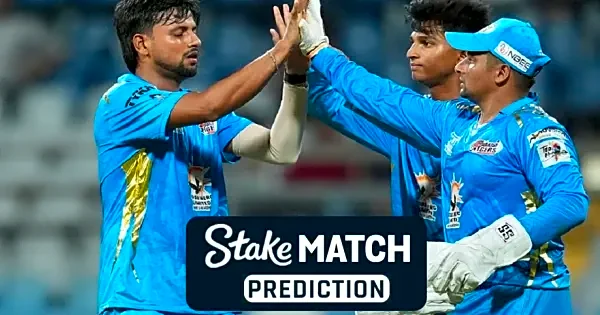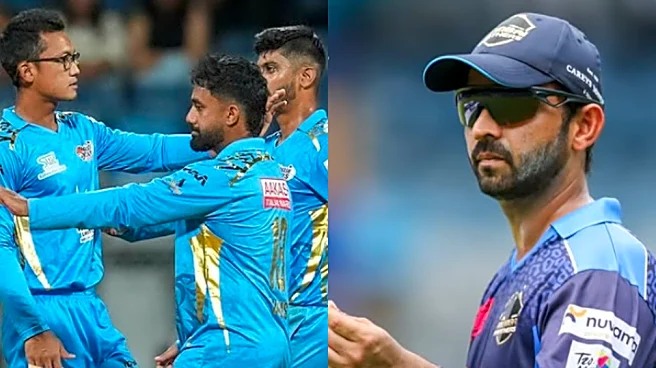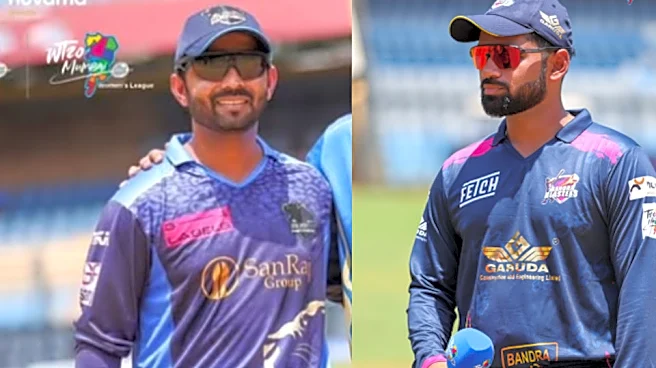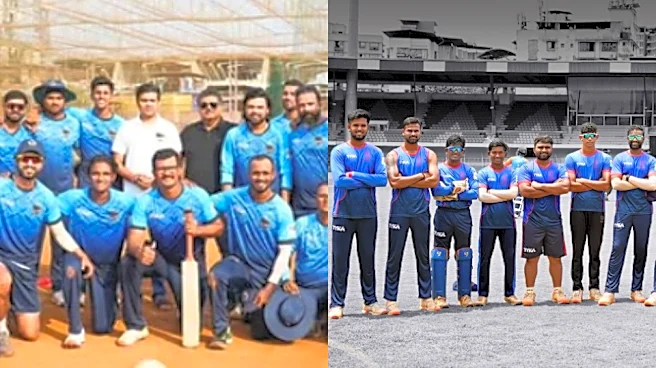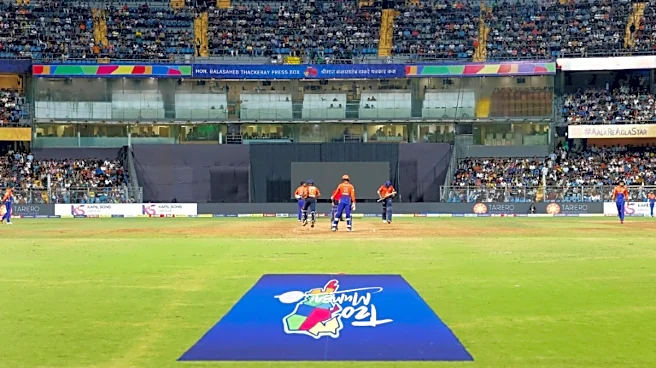

For residents of South Mumbai’s iconic Marine Drive, living next door to the historic Wankhede Stadium is usually a point of quiet pride, but with the concluding cheers of the Indian Premier League barely faded, a new tournament has brought a wave of friction to D Road.
The Marine Drive Residents Association has issued an urgent appeal to the Mumbai Cricket Association (MCA), citing immense hardship caused by the ongoing T20 Mumbai League. Scheduled from June 1 to June 13, the 13-day consecutive tournament has transformed a quiet residential stretch into what locals describe as an unmanaged fairground.
In a formal letter addressed to MCA President Ajinkya Naik, the association highlighted that the back-to-back scheduling leaves zero room for residential
respite.
Residents state that unlike the broader international tournaments, which feature spaced-out fixtures, the Mumbai League features near-continuous daily play. Matches run from 9:30 AM until as late as 11:00 PM, drawing thousands of fans who linger outside the stadium gates.
For a neighbourhood heavily populated by senior citizens, the daily influx has reportedly thrown ordinary life into chaos. Residents claim that ticketless crowds wander residential lanes, while two-wheelers and four-wheelers completely overrun the footpaths, forcing elderly citizens to walk on the main roads amidst heavy traffic.
“Our primary concern is the traffic gridlock caused by the league running consecutively for 13 days with absolutely no relief for the residents. We weren’t even informed that the tournament was taking place, and the noise and honking, especially over the weekend, has become unbearable,” said Ashwin Agrawal, Treasurer of the Marine Drive Residents Association.
“Matches go on late into the night, causing utter disturbance. We love cricket and have no desire to stop the matches, but they should not be scheduled consecutively. There needs to be adequate police deployment, and ticketing or crowding must be restricted on residential roads. If we don’t receive a positive response, we will write to the state government next and are prepared to take the legal route.” he added.
On the other hand, the cricket administration highlights the tournament’s strict adherence to protocols and its vital role in the ecosystem of the sport.
“We are strictly adhering to all government rules, regulations, and prescribed precautionary measures to ensure the smooth and safe conduct of the tournament,” said MCA President Ajinkya Naik to CNN News 18.
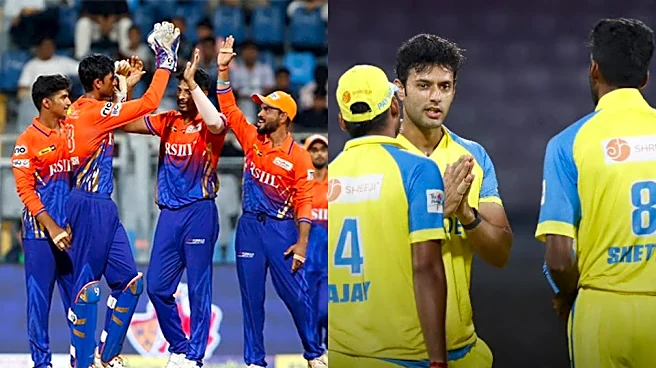
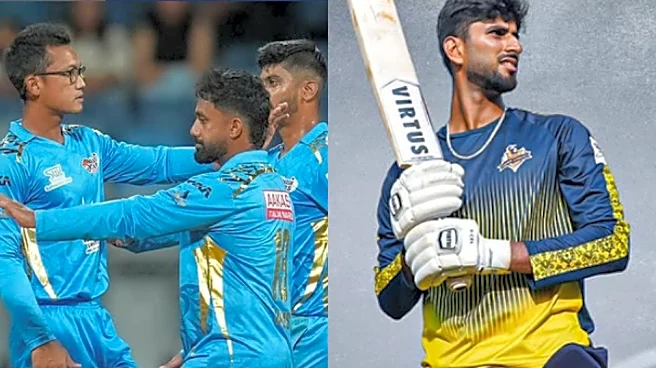
“The league has consistently served as a platform for identifying and nurturing talent, producing Indian cricketers such as Suryakumar Yadav, Shivam Dube, and several others who have gone on to represent the country. We are equally proud that this year, three women players associated with the league have earned the opportunity to represent India, further showcasing the league’s significant contribution to the growth of both men’s and women’s cricket,” he added.
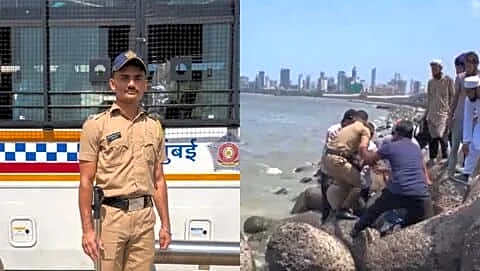
The association outlined several major demands to restore order to D Road, including a request for a permanent Mumbai Police presence on the street for the tournament’s duration, noting that private security guards currently have no authority to manage public roads.
They have also asked for strict enforcement by traffic police to prevent illegal parking, particularly on pedestrian footpaths, and have insisted that the MCA deploy adequate cleaning staff to counter the heavy littering left behind by spectators.
The neighbourhood is also pushing for an established communication channel so residents, especially those needing to schedule doctor visits or daily essentials, can receive advance notice of match schedules to plan their days safely.
In a broader sense, this conflict underscores a recurring urban dilemma in Mumbai, balancing the powerhouse of Indian cricket with the civic rights of the communities that host it. The residents emphasize they view the MCA not as adversaries, but as long-standing neighbours who share a responsibility toward the local ecosystem.
While the cricket body focuses on the broader contribution to national sports and adherence to local laws, residents counter that local tournament logistics cannot come at the cost of public safety and basic dignity. The MCA officially received the grievance on June 1, and as the tournament progresses, both sides continue to navigate the delicate balance between stadium events and neighbourhood peace.