


For decades, travel to the mountains has followed a predictable rhythm, summer crowds, winter snow, and a largely overlooked monsoon in between. But that rhythm is shifting. Increasingly, travellers are beginning to see the monsoon not as an inconvenience, but as an invitation to experience the Himalayas in a quieter, more immersive way.
“At FlixBus India, we see the monsoon season as a unique travel window that reveals a different side of the mountains,lush landscapes, fewer crowds, and more immersive local experiences,” says Surya Khurana, Managing Director, FlixBus India.
This growing preference for off-season travel reflects a broader shift in mindset. Travellers today are prioritising authenticity and flexibility over the predictability of peak-season
itineraries. Routes that were once seen purely as transit corridors are being reimagined as entry points to deeper exploration.
“Routes like Delhi–Katra are evolving beyond traditional religious or transit corridors, serving as convenient gateways to the Himalayan foothills during the monsoon,” Khurana adds, noting how improved last-mile connectivity is enabling travellers to move beyond familiar circuits and discover quieter destinations with ease.
A Season That Changes the Journey
This shift is not just about where people travel, but how they travel. The monsoon transforms landscapes and with it, the pace and purpose of a trip.
“Seasonal travel is becoming much more intentional now,” says Abhishek Khandelwal, co-founder, Moustache Group of Hotels. “People are choosing destinations that feel most alive in a particular season and offer a stronger sense of place.”
In Uttarakhand, that transformation is especially visible. Destinations like Chopta, often called the ‘Mini Switzerland’ of India draw travellers along the Tungnath–Chandrashila route, while the Valley of Flowers comes into full bloom during the monsoon months, turning the landscape into a vivid, living canvas.
Rishikesh, too, evolves during this time. “It becomes less about rushing through an itinerary and more about enjoying the route, the landscape, and the stay along the way,” Khandelwal notes, pointing to a more reflective, experience-led approach to travel.
Even beyond the mountains, destinations like Udaipur take on a new character. With lakes replenished and the Aravalli hills turning green, the city feels softer, more atmospheric, its appeal shaped as much by the season as by the destination itself.
From Spectacle to Experience
What makes monsoon travel particularly compelling is not just the scenery, but the shift in perspective it encourages.
“The monsoon reveals a side of the Himalayas that remains invisible for most of the year,” explains Dikshu C. Kukreja, Director, CP Kukreja Foundation for Design Excellence and an environmentalist. “Between July and September, the mountains move from spectacle to experience.”
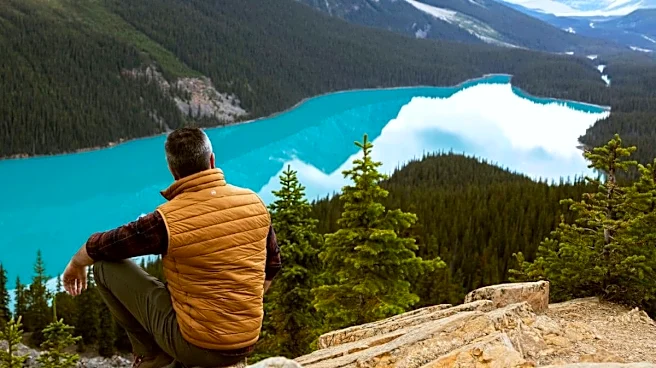
Mist-laden forests, revived streams, and terraced landscapes in full bloom create an environment that feels quieter and more intimate. Regions such as Tirthan Valley, Pithoragarh, and Kangra Valley offer a deeper connection not just with nature, but with local communities.
This slower pace is central to the appeal. Monsoon travel invites travellers to engage more meaningfully, whether through village walks, local food traditions, or simply observing how life adapts to the rains.
At the same time, Kukreja highlights an important balance. Increased interest in off-season travel must be matched with ecological sensitivity. “Travel during the monsoon must remain mindful of terrain, infrastructure, and local capacity,” he notes, emphasising the need for more responsible tourism practices.
A Different Kind of Traveller
This evolving approach to travel is also shaping a different kind of traveller, one less focused on convenience and more drawn to experience.
“Monsoon in the mountains isn’t just a season, it’s a complete shift in how you experience travel,” says Sanyam Sharma. “The Himalayas slow down, breathe deeper, and reveal a side that most people miss during peak months.”
Instead of crowded destinations, travellers are gravitating towards places like Tirthan Valley, Kalga–Pulga, Munsiyari, and Chopta, locations that prioritise immersion over itinerary.
“These places aren’t about ticking boxes,” Sharma explains. “They’re about long walks in the rain, conversations with locals, and simply being present.”
At Desh Videsh, this shift is already visible. Travellers during the monsoon season tend to value depth over comfort, embracing unpredictability as part of the experience. “It’s not a picture-perfect trip, it’s a story,” he adds.
The New Luxury: Slower, Quieter, More Intentional
If there is one thread connecting these perspectives, it is this: the idea of luxury in travel is changing. It is no longer defined by peak seasons or packed itineraries, but by the ability to experience a place more deeply and authentically.
Monsoon travel in the Himalayas embodies this shift. It offers fewer crowds, richer landscapes, and a pace that allows travellers to truly engage with their surroundings.
Underrated for years, the season is now being rediscovered, not as an off-season compromise, but as a more meaningful way to travel. And for those willing to embrace it, it may just be the most rewarding time to go.

/images/ppid_a911dc6a-image-177753689670054950.webp)

/images/ppid_a911dc6a-image-177753685429338192.webp)
/images/ppid_a911dc6a-image-177753682216563665.webp)