
/images/ppid_a911dc6a-image-178521727364993469.webp)

If you thought a term as futile as ‘Vasteguna Huiya
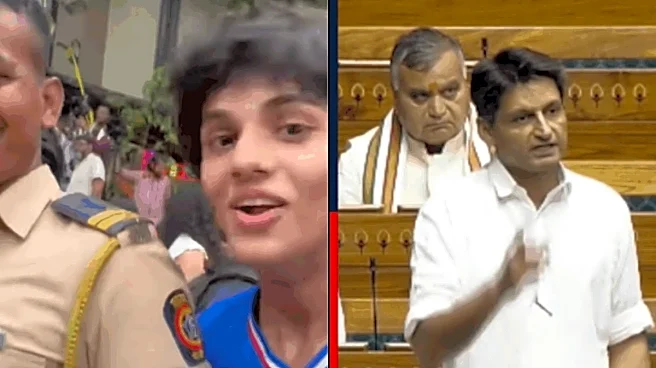
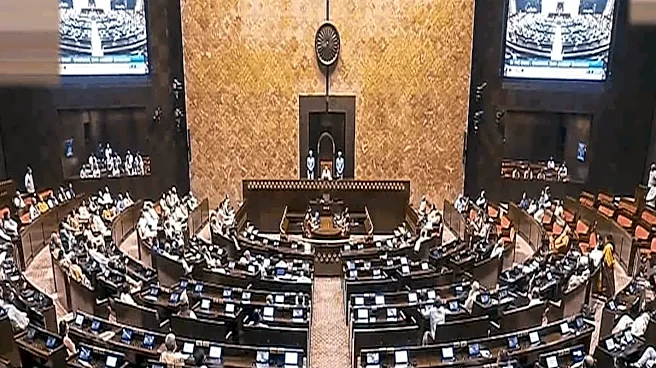
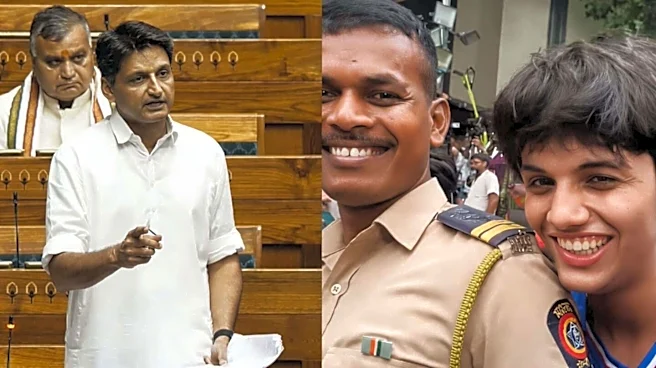
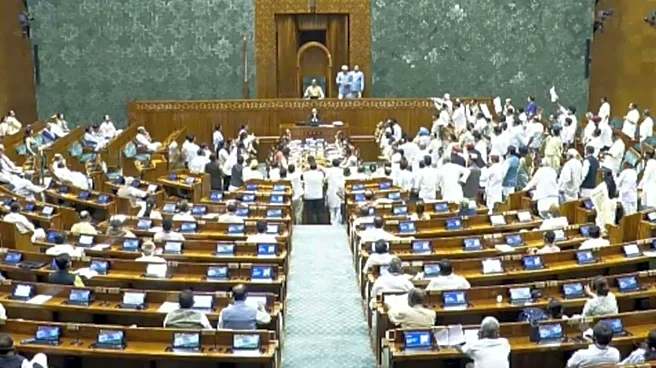
‘ would be gone and forgotten in a few days of being circulated over social media, may be you were wrong. The viral slang has no made its way to Parliament. Congress MP Deepender Singh Hooda brought the Gen-Z internet slang into the Lok Sabha during the debate on the Anti-Paper Leak Bill, using the viral phrases “Kuchu Puchu” and “Vasteguna Huiya” to target the government.The unusual use of social media lingo in Parliament quickly grabbed attention online, with clips of the exchange going viral. But the phrase had already been circulating on social media for weeks.
Congress MP Deepender Singh Hooda brought Gen-Z internet slang into the Lok Sabha during the debate on the Anti-Paper Leak Bill,
using the viral phrases “Kuchu Puchu” and “Vasteguna Huiya” to target the government. The unusual use of social media lingo in Parliament quickly… pic.twitter.com/ENKYnHq0rg
— News18 (@CNNnews18) July 29, 2026
Where Did Vasteguna Huiya Come From?
The trend began with a short video in which a young man addresses an older man with the now-famous line: “Chacha, vasteguna huiya.” The video offered little context, and that became part of its appeal.
People began repeating the phrase not because of a clear meaning, but because of its absurd, playful sound. Like many Gen-Z memes, its humour came from confusion itself.
A Delhi college student who used the phrase in a meme video said, “Nobody in my friend circle knows the exact meaning. We use it when we want to troll someone lightly or create a funny, awkward moment.”
However, the trend may not have originated in India at all. Before Instagram Reels and TikTok became dominant, the short-video platform Vine was hugely popular worldwide. One of its viral clips featured a boy repeatedly saying “Can I get a Hooya?” in an exaggerated and unusual voice, and the line eventually became a global meme. Indian users later gave it a local twist through a viral video in which a young man humorously asks an elderly man, “Chacha, Vasteguna Hoya?” Many users saw this as a desi, comic adaptation of the original Vine catchphrase. The clip spread rapidly across Instagram Reels and meme pages, and within days “Vasteguna Huiya/Hoya” had entered the everyday slang of many Gen-Z users in India.
From Memes To Protests
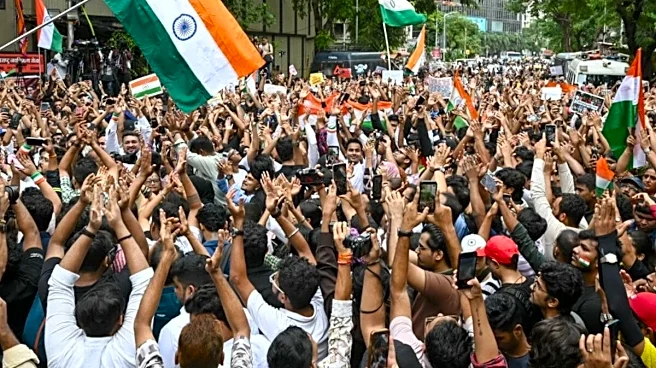
The slang took another unexpected turn during the recent CJP student protests at Jantar Mantar. Several protesters recorded videos saying “vasteguna huiya” to police personnel stationed at the site. Some officers looked puzzled, which only made the clips more viral.
One protest participant told local media, “It was not an insult. We were using a trending phrase from the internet, and the reaction made everyone laugh.”
What Does Vasteguna Huiya Actually Mean?
The phrase does not have a recognised meaning in standard Hindi, Urdu, or any major Indian language. It appears to be a nonsensical or distorted expression that gained popularity through repetition, much like earlier internet catchphrases that survive on sound rather than semantics.
The journey of “Vasteguna Huiya”, from a random video to protest grounds and then to Parliament, reveals how quickly internet culture now shapes public conversation. Politicians are increasingly borrowing the language of reels, memes, and short-form videos to connect with younger audiences.
Whether the phrase means something profound or absolutely nothing at all may no longer be the point. Its real significance lies in how India’s meme culture has become influential enough to echo inside the country’s highest democratic institution.


/images/ppid_59c68470-image-17853451781431742.webp)


/images/ppid_a911dc6a-image-178521682630856480.webp)

/images/ppid_a911dc6a-image-17852226321122392.webp)