

There was a time when cocktails were largely about spectacle, towering garnishes, sugar-heavy concoctions, and drinks designed more for photographs than palates. But across India’s evolving bar landscape, especially in cities like Mumbai, a quieter, more intelligent revolution is taking shape. Today’s cocktail culture is driven by curiosity, craftsmanship, storytelling, and emotional connection.
On World Cocktail Day, conversations with some of Mumbai’s leading beverage minds reveal a shared belief: the future of cocktails lies not in excess, but in intention.
At Flint, Vineeth Krishnan, Lead Beverages PCDR, believes the transformation has been dramatic even within a short span of time. “Cocktail culture today feels far more curious, informed,
and experience-driven than it did even five years ago,” he says. Guests are no longer passively ordering familiar classics; they are actively engaging with the drink in front of them, asking questions, exploring flavour profiles, and seeking cocktails that tell a story. According to Krishnan, there has been a visible shift toward lighter, more balanced drinks where ingredients are allowed to shine rather than being hidden beneath sweetness or aggressive alcohol.
That growing sophistication in consumer behaviour is echoed by Nikhil Rathod, Beverage Head at Late Checkout and Lyla under Chrome Asia. He points out that the industry has consciously moved away from “masking” spirits with sugar and artificial syrups. In Mumbai particularly, Rathod says the era of “flashy garnishes” is fading, replaced by a deeper appreciation for indigenous ingredients and regional botanicals. What makes the current moment exciting, he explains, is the intersection of modern science with local storytelling, where techniques such as vacuum distillation and clarification are being used not simply for innovation, but to express geography, culture, and memory through flavour.
The modern cocktail drinker, it seems, is also far more health-conscious and mindful than before. Rathod observes a growing demand for what he calls “functional drinking”, cocktails with cleaner finishes, lower ABV, and complexity that doesn’t leave the guest feeling weighed down. Consumers want drinks that fit seamlessly into both a corporate lunch and a late-night social gathering while still allowing them to feel hydrated, alert, and present. Transparency has become equally important. Guests today want to understand the “why” behind every infusion, fat-wash, or fermentation process.
That emphasis on mindful drinking is also being noticed at Le Bar, Sofitel Mumbai BKC. Akshay Lokrey, Food & Beverage Manager, Sofitel Mumbai BKC, believes cocktail culture has evolved far beyond simply serving a good drink. “Guests are now seeking stories, emotion, craftsmanship, and immersive experiences,” he says. The modern cocktail experience is increasingly tied to memory-making and hospitality. Lokrey notes that consumers are now deeply interested in ingredient origins, sustainability, artisanal techniques, and even the theatre surrounding cocktail creation.
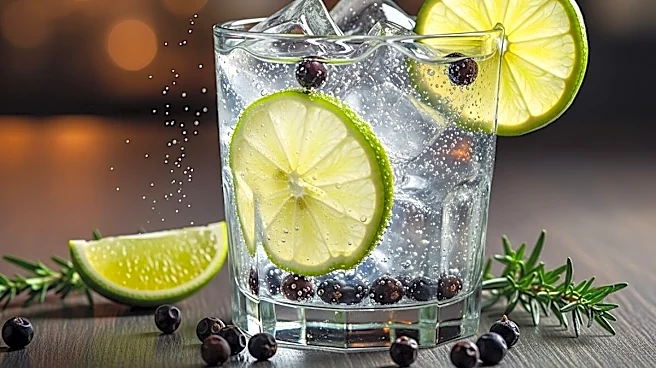
Across bars, there is a noticeable move toward ingredient-forward cocktails built around freshness, local produce, house-made cordials, ferments, and balanced flavour profiles. Overly sweet cocktails are steadily giving way to drinks that are nuanced, elegant, and restrained.
At Torii, Khar, mixologist Ajinkya Jadhav sees this evolution as part of a broader cultural shift. “Guests today walk in with curiosity,” he says. “They want to understand what’s in their glass, where an ingredient comes from, and what story it tells.” Torii’s philosophy draws heavily from Japanese precision and restraint, a sensibility that increasingly resonates with drinkers seeking craft over volume.
One of the most fascinating developments shaping contemporary cocktail menus is the rise of savoury, umami-led flavours. Ingredients once considered unconventional in cocktails are now central to some of the most compelling drinks being created. Jadhav points to Torii’s Magic Mush, a whisky cocktail with dried shiitake, sweet soy, and mushroom meringue, as a perfect example of how adventurous consumers have become. Similarly, the bar’s Kombu, a vodka cocktail fat-washed with Parmesan, reflects the growing appetite for savoury-sweet balance and layered textures.
At OJU, Colaba, mixologist Mukesh Patwal observes a similar shift in consumer preferences. “People are no longer just drinking to follow trends,” he says. Instead, they are looking for personality, storytelling, and discovery in every glass. OJU’s cocktails, inspired by Japanese precision yet designed to feel playful and social, reflect the changing mood of modern drinking culture. Patwal notes that consumers are gravitating toward cleaner flavour profiles, savoury notes, elevated highballs, and cocktails that pair harmoniously with food rather than overpowering it.
Interestingly, many of the techniques that once belonged exclusively to experimental or avant-garde bars are now becoming part of mainstream cocktail conversations. Clarification, fat-washing, smoke infusion, sous vide preparation, and fermentation are increasingly common across sophisticated bar programs. But for many bartenders, technique alone is not enough.
Krishnan believes sustainability is becoming one of the defining conversations shaping the future of cocktails. Bars are learning to rethink waste, maximise ingredients, and use every possible part of produce. Lokrey adds that these techniques are valuable not because they are flashy, but because they allow bartenders to create depth while maintaining elegance and accessibility.
And yet, despite all the innovation, there is a surprising consensus emerging across the industry: the future may actually belong to simplicity.
Rathod believes cocktail culture is heading toward a profound “back-to-basics” movement rooted in respect for the classics. Instead of reinventing cocktails for novelty’s sake, bartenders are refining timeless structures with better ingredients, more precision, and stronger storytelling. Modern mixology, he argues, is not replacing the classics, it is honouring them.
Beyond ingredients and technique, however, every bartender interviewed returns to the same idea: hospitality remains the true heart of cocktail culture. “A great cocktail is just chemistry,” Rathod reflects, “but a great experience is how you make the guest feel.”
That sentiment echoes across every bar. For Krishnan, a memorable cocktail experience is shaped by storytelling, music, glassware, and the energy of the room. Lokrey believes people remember how a drink made them feel long after they forget its ingredients.
Patwal points to atmosphere, the lighting, pace of service, and interaction with the bar, as equally important as the liquid itself. And at Torii, Jadhav describes cocktails almost as ritualistic experiences, where preparation, intention, and theatre transform a drink into something deeply transportive.
Perhaps that is what defines cocktail culture in 2026: not performance for the sake of spectacle, but emotional immersion. Today’s bars are becoming spaces where flavour, memory, craft, music, design, and human connection converge. On this World Cocktail Day, the cocktail itself is no longer the final product. It is merely the beginning of the experience.
/images/ppid_a911dc6a-image-177881606374827962.webp)



/images/ppid_59c68470-image-177875509825867878.webp)

/images/ppid_a911dc6a-image-177880822543048162.webp)