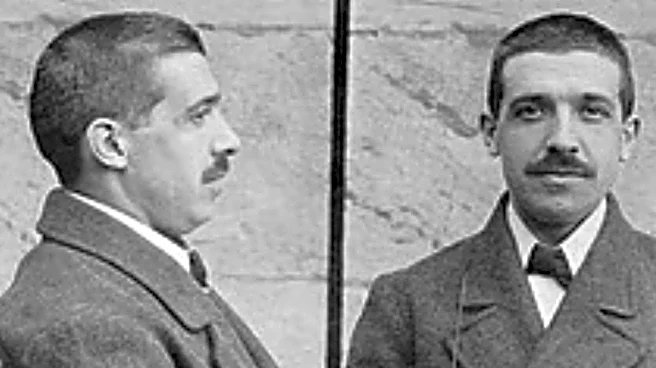




Scams and financial frauds have become a daily reality across the world, often disguised as irresistible opportunities. Promises of doubling your money in days or earning guaranteed high returns year after year sound tempting, but they usually hide a dangerous trap. One such deception, increasingly exposed in news reports and television debates, is the Ponzi scheme.
Behind its polished promises lies a financial fraud capable of draining people of their entire life savings.
What Is A Ponzi Scheme?
In simple terms, when people invest their money, they expect it to be placed in a legitimate business that earns profits through products or services. However, in a Ponzi scheme, dishonest individuals deceive investors by channelling their money into fake or unsustainable ventures,
or directly into their own pockets.
Instead of generating real profits, money from new investors may even be used to pay off earlier ones, creating the illusion that the scheme is profitable. This type of fraud is known as a Ponzi scheme.
Why Is It Called A Ponzi Scheme?
The term ‘Ponzi scheme’ comes from Charles Ponzi, a man who perfected this method of deception around a century ago. Although times have changed, the core technique remains the same, and scammers continue to use it to siphon off billions every year.
Who Was Charles Ponzi?
Charles Ponzi was born in 1882 in Italy into a wealthy family. However, his family later lost everything. These memories of lost privilege deeply affected him. He became obsessed not just with earning money, but with reclaiming his lost status and respect.
At the age of 21, he received some money and enrolled in college. Instead of studying, he spent lavishly on expensive clothes, fine dining, and gambling. Though he was not wealthy, he constantly pretended to be. When his funds ran out, reality caught up with him.
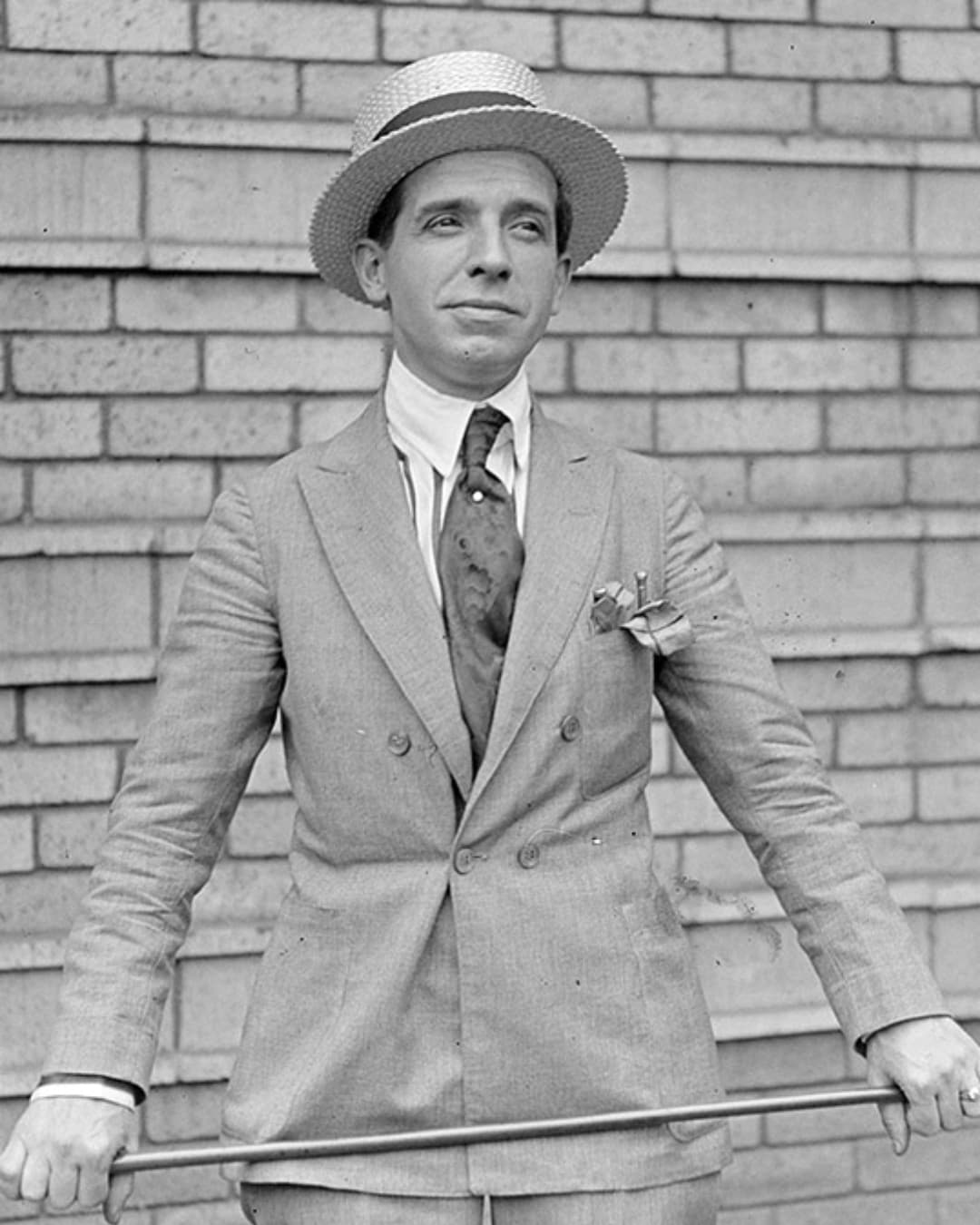
From Italy To America: A Life Of Pretence
In 1903, Ponzi fled to the United States. He took up various low-paying jobs, washing dishes, working in factories, and selling insurance. Whenever he managed to save money, he spent it on maintaining an image of wealth. He was not chasing financial security; he was chasing an identity.
Later, in Montreal, Ponzi worked at a dubious bank that paid returns to old investors using money from new ones. When the bank eventually collapsed, Ponzi did not panic. Instead, he learnt two crucial lessons:
- People are easily tempted by promises of effortless money, and
- A compelling story matters more than actual business fundamentals.
The International Reply Coupon Idea
In 1919, Charles Ponzi received a letter from Spain containing an International Reply Coupon (IRC). These coupons could be purchased cheaply in one country and redeemed for a higher value in another. While the profit opportunity was real, it was extremely small and difficult to scale.
Ponzi realised something important: the scheme did not need to work. People only needed to believe it worked. The story sounded convincing, and that was enough.
The Perfect Psychological Trap
Charles Ponzi carefully engineered a psychological trap. He lured people with promises of 50% returns in just 45 days, spoke of a ‘secret method’ only he understood, paid early investors quickly, relied on word-of-mouth publicity, and targeted those desperate for money.
He was not selling profits, he was selling hope. The early payouts were simply bait.
When Greed Overpowered Logic
The first 18 investors were paid promptly. They became his loudest promoters, boasting, “I invested $100 and received $150 in six weeks.” Hearing such stories, more people rushed in.
Financial journalists soon exposed flaws. Clarence Barron pointed out that Charles Ponzi would need 160 million IRCs, while only 27,000 existed worldwide. Yet people continued to invest. Why? Because when people desperately want to believe something, they ignore facts. Hope overwhelms logic, and greed silences reason.
The Rise And Collapse Of Charles Ponzi
At his peak, Ponzi was collecting $250,000 a day. He bought mansions, diamonds, and luxury cars. Around 40,000 people entrusted him with their life savings. But the numbers never added up.
Eventually, Ponzi himself admitted that the scheme made no mathematical sense. He was arrested, banks collapsed, and thousands were financially ruined — many never recovered.
Ponzi Schemes Today
Even today, Ponzi schemes continue in new forms whether it be crypto scams, fake trading gurus, fraudulent investment clubs, or online promises of extraordinary earnings. They all rely on the same psychological tricks: impossible returns, early ‘winners’, and false guarantees.
People fall for Ponzi schemes not because they are foolish, but because they are human. Promises of easy money, guaranteed success, or secret formulas still lure countless individuals. India, too, has witnessed many such scams, where people lose everything while chasing dreams.