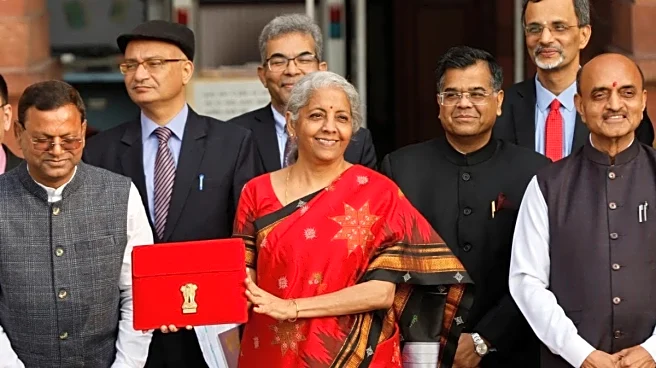




The Budget 2026 will be presented in Parliament on February 1, Sunday, continuing the tradition of unveiling the government’s annual financial plan at the start of February. The Budget lays out how the government plans to raise and spend money in the coming year and is closely tracked by taxpayers, businesses, investors and state governments.
The Union Budget 2026-27 will be presented by Finance Minister Nirmala Sitharaman. This will be her ninth consecutive Union Budget, which will also be India’s 88th Budget since Independence. The Budget will offer crucial signals on taxation, public spending, fiscal discipline and policy priorities at a time when the global economy remains uncertain and domestic growth expectations are closely watched.
What
is the Union Budget?
The Union Budget is the government’s annual statement of receipts and expenditures. It details how much money the government expects to earn, through taxes, dividends, borrowings and other sources, and how it plans to spend that money on sectors such as infrastructure, defence, welfare, education and healthcare during the financial year starting April 1, 2026.
Under Article 112 of the Constitution, the Budget must be presented to Parliament every year.
Why is the Budget presented on February 1?
Since 2017, the Union Budget has been presented on February 1 instead of the earlier last working day of February. The shift was made to ensure that ministries and departments have sufficient time to implement Budget announcements from the start of the new financial year on April 1, avoiding delays caused by the earlier timeline.
What are the key components of the Budget?
The Union Budget typically consists of two main parts: the Revenue Budget and the Capital Budget. The Revenue Budget covers the government’s day-to-day expenses and income, including tax collections and subsidies. The Capital Budget deals with long-term expenditure such as infrastructure creation and asset building, as well as capital receipts like borrowings and disinvestment proceeds.
The Budget documents also include details of fiscal deficit, revenue deficit and primary deficit, which are closely tracked indicators of the government’s financial health.
How is the Budget prepared?
The Budget-making process begins several months in advance. Various ministries submit their expenditure estimates and policy demands to the Finance Ministry. Consultations are held with stakeholders including industry bodies, economists, farmers’ groups and social sector representatives. Based on revenue projections and fiscal targets, the Finance Ministry finalises allocations and policy proposals.
Before the Budget is presented, a traditional “Halwa Ceremony” is held, marking the start of the lock-in period during which officials involved in Budget preparation remain isolated to maintain secrecy.
What happens on Budget Day?
On February 1, the Finance Minister presents the Budget speech in the Lok Sabha. The speech outlines major policy measures, tax changes and spending priorities. After the speech, Budget documents are tabled in Parliament and made public.
In the days that follow, Parliament debates the Budget proposals. Ministries seek approval for their expenditure through demands for grants, and the Finance Bill, containing tax proposals, is discussed and passed.
Why does the Union Budget matter to individuals and businesses?
For individuals, the Budget can bring changes in income tax slabs, deductions and exemptions, directly affecting take-home income and savings decisions. For businesses, it signals the government’s stance on corporate taxation, incentives, infrastructure spending and sector-specific support.
Investors closely watch the Budget for cues on fiscal discipline, borrowing plans and capital expenditure, which can influence market sentiment.
Key FAQs
Does the Budget apply immediately?
Most tax changes come into effect from April 1, unless specified otherwise. Some measures may be implemented immediately through notifications.
Can Parliament reject the Budget?
Parliament has the power to discuss and modify Budget proposals. However, outright rejection is rare, as it would imply loss of confidence in the government.
What is the difference between the Economic Survey and the Budget?
The Economic Survey, which will be tabled on January 29, reviews the state of the economy and provides context. The Budget translates policy intent into concrete financial proposals.
As the Union Budget 2026 approaches, attention will be on how the government balances growth support with fiscal prudence, while addressing the concerns of taxpayers, industry and states in a challenging global environment.