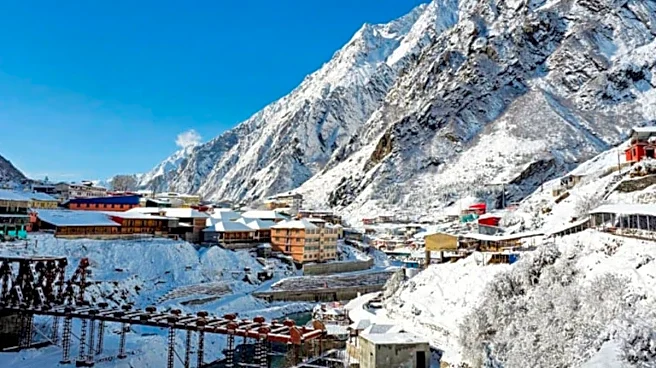


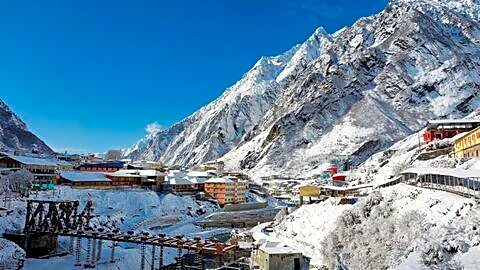
The mountains are beginning to look like winter is arriving early. Snow has dusted parts of Sikkim and Himachal Pradesh, higher reaches of Uttarakhand have turned white and temperatures have begun to dip. For travellers dreaming of an early winter escape, it sounds like the perfect time to head to the hills.
But there is another side to the picture.
Across several Himalayan destinations, the transition from monsoon to winter has brought heavy rain, landslides, falling rocks, damaged bridges and unpredictable road conditions. Rishikesh has suspended Ganga rafting because of rising water levels, while authorities in Tawang have issued a landslide warning. Sikkim and the Darjeeling Hills have also reported significant disruptions.
So, should you travel
to the hills right now? The answer depends very much on where you are going and how flexible your plans are.
Sikkim
Sikkim has seen two very different faces of the season in recent days. The state received its first snowfall of the season, with snow reported at Zero Point in North Sikkim. At the same time, heavy rain triggered fresh landslides in several areas.
A landslide in Rimbi, West Sikkim, was among the recent disruptions, while another slide affected the NH10 route connecting Rangpo and Gangtok. Repeated landslides have also affected local roads and connectivity.
Himachal Pradesh
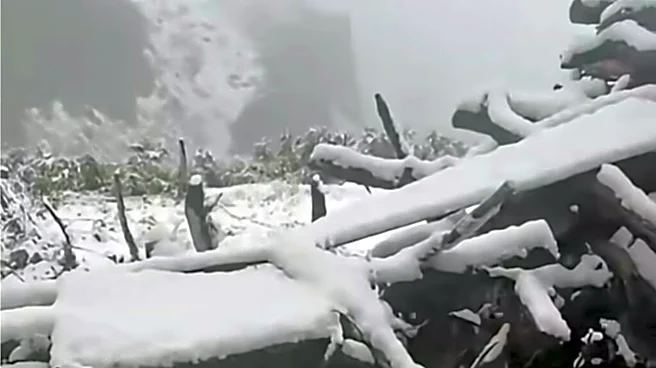
Himachal Pradesh is already offering a taste of winter. Kinnaur recorded its first snowfall, with snow reported around Chitkul and other high-altitude areas. Lahaul-Spiti has also seen fresh snowfall, including in Kaza and Chicham.
However, snowfall at this time of year can make mountain travel unpredictable. Recent reports have described falling rocks and debris affecting routes in Kinnaur, with traffic disrupted on stretches towards Kaza.
This is therefore not the moment for an impulsive high-altitude road trip where reaching a particular village or pass at a fixed time is essential.
Uttarakhand
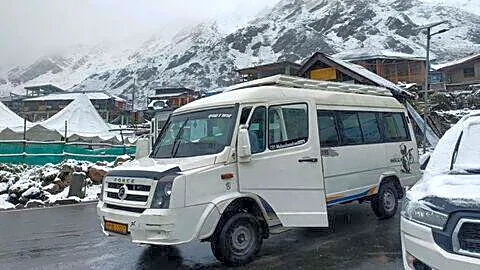
Uttarakhand is currently the region where travellers need to exercise the greatest caution. Heavy rain led to the temporary suspension of the Char Dham Yatra over September 26 and 27. Landslides and rockfalls have affected roads and pilgrimage routes, while the Kedarnath trek near Chirbasa has faced particularly serious disruption. Around 1,500 pilgrims were evacuated from the affected stretch, according to officials.
The weather situation has also affected ordinary tourist travel. Authorities had advised tourists and commuters to avoid non-essential travel amid risks of landslides, flash floods and road disruptions.
Although the Char Dham Yatra resumed on September 28 as weather conditions improved, the situation remains dynamic and the Kedarnath trek has continued to face restrictions because of landslides.
Rishikesh
If your idea of a Rishikesh holiday involves rafting down the Ganga, this may not be the right week to do it. Rafting had only resumed on September 23 following the annual monsoon break, but continuous rain pushed the river level up again. Authorities subsequently suspended rafting and related adventure activities indefinitely, pending an assessment of the weather and river conditions.
Tawang
Arunachal Pradesh’s Tawang district has also issued a fresh advisory because of an increased risk of landslides and mudslides following continuous rainfall.
Officials surveying the Mhenkhar and Bhuip areas reported significant landslide activity and continuing movement of mud and debris. Authorities have particularly warned people living near streams, nallahs and vulnerable slopes and advised against unnecessary movement in risky areas.
Darjeeling
The eastern Himalayas are facing similar problems. In the Darjeeling Hills, heavy rain recently damaged a temporary bridge over the Rangbhang River at Tabakoshi, while a Hume-pipe bridge over the Balason River at Dudhey was washed away. The latter affected direct road connectivity between Mirik and Siliguri.
The disruption came after landslide activity in the Mirik area, where a natural dam had formed following a major landslide. Families living in the vulnerable area were moved to safer locations as a precaution.
For now, the mountains are a seasonal contradiction: snow is beginning to arrive just as rain is still making parts of the Himalayas unstable. That makes late September an intriguing time to watch the mountains — but not necessarily the easiest time to explore every corner of them.




/images/ppid_59c68470-image-179057752909032539.webp)