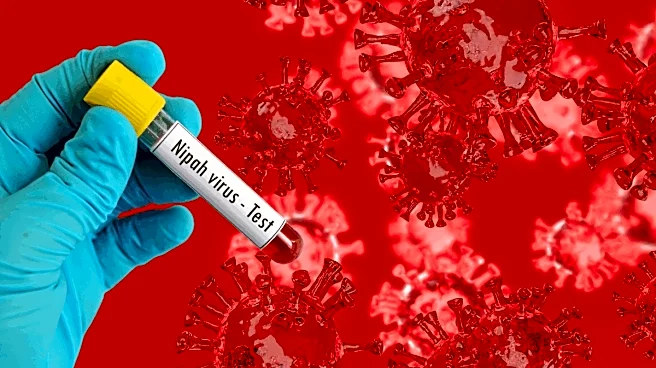



Nipah Virus In Kerala: Kerala health authorities initiated precautionary measures and begun extensive contact tracing after a 40-year-old man tested positive for Nipah virus in a preliminary test conducted in Kozhikode. The patient is currently undergoing treatment at Kozhikode Medical College Hospital, officials said.
According to health authorities, the initial test indicated the presence of the Nipah virus, although confirmation from a specialised virology laboratory is still awaited. Despite the pending confirmatory result, the state government has moved quickly to activate containment and surveillance protocols to prevent any potential spread of the infection.
Officials said close contacts of the patient are being identified, monitored and
assessed as part of the standard public health response to suspected Nipah cases.
The development has prompted heightened vigilance in Kozhikode district, which has been at the centre of several previous Nipah outbreaks in Kerala.
Nipah virus is a zoonotic disease that is primarily transmitted from animals, particularly fruit bats, to humans. The virus can also spread through close contact with infected individuals. It is considered one of the world’s most dangerous infectious diseases due to its high fatality rate and the absence of an approved vaccine or specific antiviral treatment.
Kerala has experienced multiple Nipah outbreaks over the past several years, including incidents in 2018, 2019, 2021 and 2023. Most of the cases reported during these outbreaks originated in Kozhikode district.
Between 2018 and 2023, the state recorded a total of 31 Nipah infections and 24 deaths, highlighting the severity of the disease and the importance of rapid containment measures.
Authorities urged the public not to panic and to cooperate with health officials as investigations continue. Further action will depend on the results of confirmatory testing and the findings of ongoing epidemiological assessments. The state health department is expected to issue additional advisories if the infection is officially confirmed.
/images/ppid_a911dc6a-image-178098202820930360.webp)


/images/ppid_a911dc6a-image-178108282796371551.webp)

/images/ppid_a911dc6a-image-178099042860771241.webp)


/images/ppid_a911dc6a-image-178088962822249399.webp)