

/images/ppid_a911dc6a-image-177781102784459687.webp)

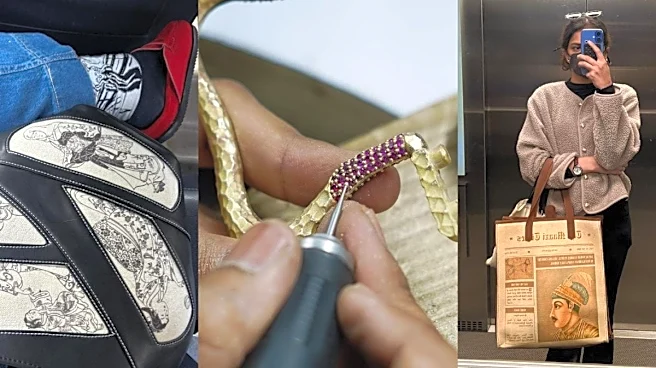
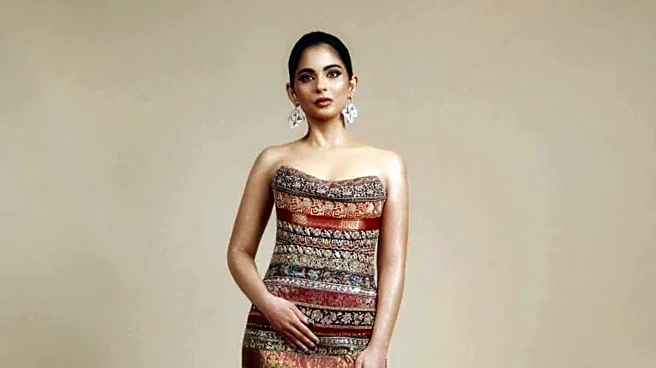
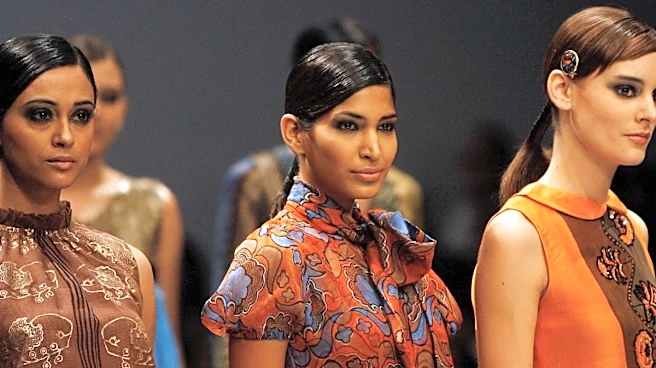
There’s a quiet shift reshaping India’s fashion landscape, one that feels less like a trend and more like a recalibration. Increasingly, consumers are turning towards home-grown labels, drawn not by novelty but by a sense of familiarity and nuance that global brands often miss. From the way a garment fits to how it aligns with cultural moments, these choices feel considered, almost instinctive. What once defined aspiration is being gently replaced by something more personal, fashion that reflects not just style, but context, identity, and a deeper understanding of the wearer.
At the heart of this shift is a more self-assured consumer, one who is no longer looking outward for validation but inward for connection. According to Shweta Sharma, Founder
& Director of Sui Dhaaga, this evolution is rooted in clarity and confidence. “I feel consumers today are a lot clearer and more confident about their choices. Earlier, global labels were seen as the benchmark, but now people are equally drawn to brands that feel more in sync with their lifestyle. For us, understanding Indian occasions, body types, and preferences has always come very naturally, and I think that shows in the way customers respond to our designs.”
This growing preference is also being shaped by fatigue, specifically, the fatigue of sameness. In an era where global trends circulate at unprecedented speed, consumers are seeking distinction over duplication.
“There’s also a certain fatigue with everything looking the same, and that’s where more distinctive, thoughtfully made pieces stand out. Customers today want something that feels personal to them, not just something that’s trending everywhere,” adds Sharma. “That’s why home-grown brands are seeing stronger resonance, they offer that sense of individuality and relevance which people are actively looking for.”
Beyond aesthetics, however, this movement is underpinned by a more conscious approach to consumption. Indian consumers are increasingly engaging with the story behind what they wear, questioning how it is made, where it comes from, and what it represents.
Anuj Mundhra, Founder, Chairman & Managing Director, Nandani Creation Limited (Brand-Jaipur Kurti) points to this as a defining driver, “Indian consumers are increasingly gravitating towards home-grown fashion brands, and this shift reflects a deeper cultural and economic evolution. Today’s buyers are not just looking for style, they are seeking identity, authenticity, and relatability.”
This awareness is closely tied to the rise of sustainability and ethical fashion, once niche concepts that are now entering the mainstream. “Shoppers are becoming more aware of sustainability, ethical sourcing, and the story behind what they wear. Many Indian labels are building strong narratives around craftsmanship, handloom revival, and responsible production, which resonates strongly with modern audiences,” he explains.
Importantly, home-grown brands are also winning on practicality, offering designs that are not just aspirational but accessible. In a price-sensitive yet quality-conscious market like India, this balance is critical.
“Indian brands understand local sensibilities, body types, climate needs, and cultural nuances far better than global players, making their offerings more relevant and accessible,” says Mundhra. “They often strike a better balance between quality and pricing, making fashion more inclusive without compromising on design.”
What emerges from these overlapping shifts is something larger than a trend. It is a recalibration of values, where fashion becomes a medium of self-expression, cultural pride, and conscious decision-making.
“Overall, this shift is not just a trend but a movement, where fashion becomes a medium of cultural expression, responsibility, and self-connection,” concludes Mundhra.
As Indian consumers continue to evolve, so too does the definition of luxury, style, and aspiration. Increasingly, it is no longer about where a brand comes from but how deeply it understands the people it is designed for. And in that equation, home-grown fashion is finding its strongest footing yet.