



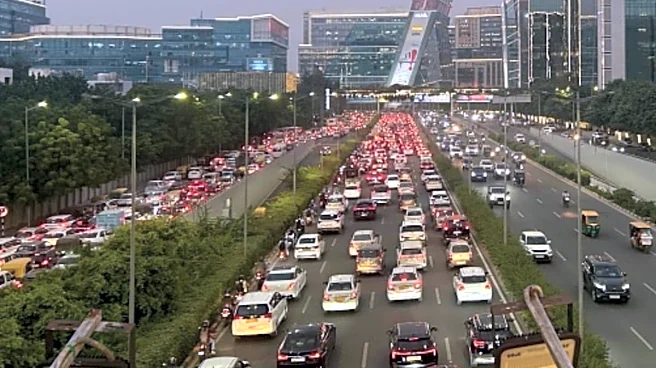
As Bengaluru heads toward the summer months, water availability once again moves to the forefront of civic planning. While officials say the city may avoid a crisis of the scale seen in 2024, authorities are preparing for potential shortages by strengthening supply systems in vulnerable neighbourhoods.
The Bengaluru Water Supply and Sewerage Board has identified 448 locations across the city as “critical points” prone to water scarcity and has drawn up a summer preparedness plan costing approximately Rs 10.14 crore.
Recently, BWSSB Chairman Dr Ram Prasath Manohar convened a meeting with officials and experts from the Indian Institute of Science to map high-density and vulnerable areas. The plan focuses on ensuring steady supply through tanker
services, storage infrastructure and supply management.
Zonal Distribution of Critical Areas
The West Zone has the highest number of vulnerable locations, with 146 areas identified and Rs 3.14 crore allocated. The North Zone follows with 122 areas and Rs 3.35 crore earmarked. The South Zone has 121 areas requiring Rs 1.50 crore, while the East Zone has 59 areas with Rs 2.15 crore allocated.
To support water distribution, BWSSB will deploy 1,260 Syntex storage tanks across critical areas. Currently, 530 tanks are available, and an additional 730 will be arranged.
A total of 221 tankers, including BWSSB-owned and hired vehicles, will supply water to these tanks. Officials have been instructed to prioritise “Sanchari Cauvery” tankers before hiring private suppliers.
To streamline operations, 21 tanker-based Cauvery Connect centres and 91 filling points have been prepared. Additionally, 196 RO plants will be regularly replenished.
Why the West Zone Faces Greater Stress
Several western areas fall under the “110 villages” category where piped Cauvery water supply has not reached every household despite the Cauvery 5th Stage project. Many residents still depend on borewells and tanker supply.
Road widening works and elevated corridor projects near Varthur and Mahadevapura have disrupted supply lines to villages such as Sorahunase, Gunjur and Balagere. Legal hurdles over a reservoir site in Chokkanahalli have delayed supply to Srinivasapura and Kattigenahalli.
Ongoing Water Conservation Measures
Following an IISc report last year, BWSSB filled 10 lakes, including Jakkur and Yelahanka, with treated water, improving groundwater levels by 3 to 5 metres. A fresh groundwater study is expected within a week.
The board is also intensifying its aerator installation campaign. More than 15 lakh aerators have already been installed, saving water worth roughly Rs 40 crore annually. Treated water supply to industries in Peenya will continue to conserve potable water.
Chairman Dr Manohar said a severe crisis is unlikely but added that staff have been directed to work round the clock and monitor field conditions to prevent disruptions.

/images/ppid_59c68470-image-177096003904063080.webp)


/images/ppid_59c68470-image-177097504074518728.webp)



/images/ppid_59c68470-image-177087752988933095.webp)