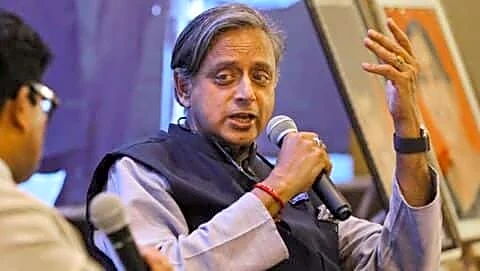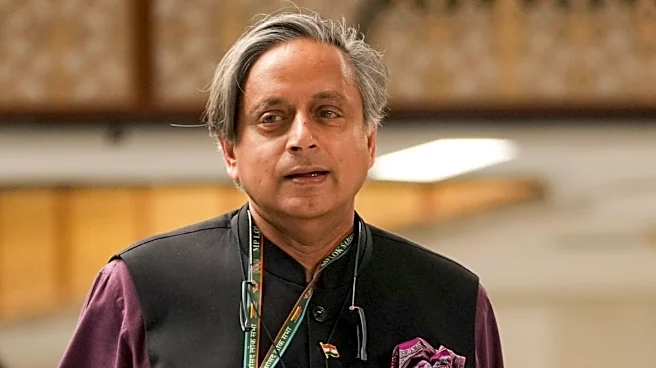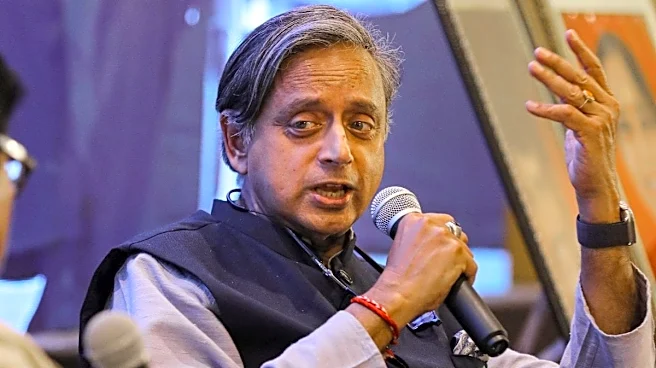

Congress leader Shashi Tharoor has approached the Delhi High Court seeking protection of his personality rights against the alleged unauthorised use of his name, image, voice, likeness, and other personal attributes. The matter will be heard by Mini Pushkarna on Friday.
In recent years, several public figures, including Arvind Kejriwal, Amitabh Bachchan and Rajinikanth, have either approached courts or raised concerns over fake endorsements, morphed videos and the unauthorised use of their names, images and voices. The growing use of artificial intelligence and deepfake technology has added to concerns over identity theft and misuse without consent.
What Are Personality Rights?
Personality rights allow individuals to protect and control the commercial and public use of their
identity and personal attributes. These rights generally include a person’s name, photograph, voice, signature, likeness and other identifiable features. While India does not have a separate legislation specifically governing personality rights, courts have recognised such protections through privacy, publicity and intellectual property laws.
Celebrities, politicians and other public figures often seek legal remedies when their identity is used without permission in advertisements, political campaigns or misleading online content. Indian courts have increasingly treated personality rights as part of the fundamental right to privacy and dignity under Article 21 of the Constitution, particularly in cases involving digital impersonation and AI generated material.