

/images/ppid_59c68470-image-177915508865427016.webp)

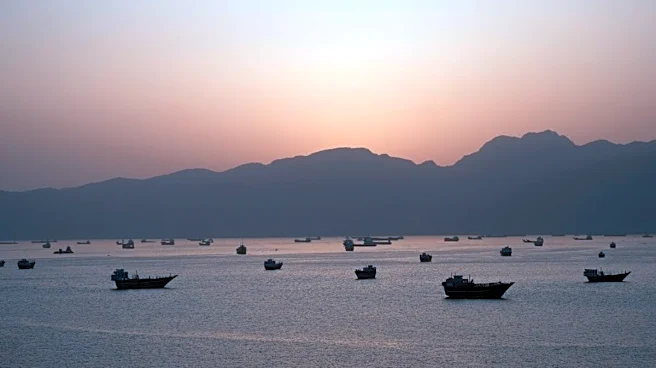
A proposal being discussed between Iran and Oman over a new “mechanism” to manage shipping through the Strait of Hormuz is drawing global attention because of what it could mean for world trade, oil prices and maritime law. According to a Reuters report, Iranian foreign ministry spokesperson Esmaeil Baghaei said Tehran is in consultations with Oman to create a framework for “sustainable security” and safe maritime traffic in the strategic waterway.
The development comes after months of disruption in the Gulf following the Iran-US-Israel conflict, during which shipping through Hormuz fell sharply and several vessels faced inspections, delays and movement restrictions.
Read More: ‘Threat To The World’: Marco Rubio Says Tolling Ships In Strait Of
Hormuz Is ‘Completely Illegal’
While Iranian officials have publicly framed the discussions as a security arrangement, reports indicate that some vessels have already faced informal “fees” or negotiated payments for passage through the strait.
The idea of turning this into a structured or permanent tolling mechanism has alarmed major global powers because the Strait of Hormuz is one of the world’s most critical energy chokepoints.
Why Strait Of Hormuz Matters
The Strait of Hormuz connects the Persian Gulf to the Arabian Sea and carries a massive share of global oil and liquefied natural gas exports. Energy supplies from countries such as Saudi Arabia, Iraq, the UAE, Kuwait and Qatar pass through the narrow waterway before reaching markets in Asia and Europe.
Any disruption there immediately affects global energy prices, shipping costs and supply chains.
For countries like India, China, Japan and South Korea – all heavily dependent on Gulf energy imports – even minor delays in Hormuz can translate into higher fuel prices and inflationary pressure.
What A Permanent Toll System Could Change
If Iran and Oman move from temporary wartime controls to a formal toll or managed transit structure, shipping companies may have to pay transit charges, comply with additional security checks or seek approvals before crossing the strait. That would increase the cost of transporting crude oil, LNG and commercial cargo through the region.
Shipping companies could also face higher insurance premiums, longer transit times, additional security expenses, and greater legal uncertainty.
Even if the actual toll amount remains limited, the larger concern for global markets would be unpredictability. Traders and insurers tend to react sharply when key trade routes become politically controlled or militarised.
The Legal And Diplomatic Dispute
The proposal has already triggered strong reactions from the United States. US Secretary of State Marco Rubio warned that any attempt to formally charge ships for transit through Hormuz would be viewed as unacceptable under international law.
According to Reuters, Rubio said such a system would make any diplomatic agreement with Iran “unfeasible”. He also described the idea as “illegal” and warned it would be seen as “a threat to the world”.
The central dispute revolves around international maritime rules. Under widely accepted navigation norms, ships are generally allowed transit passage through international chokepoints like Hormuz without interference or taxation by a single state. Western governments argue that turning Hormuz into a paid access corridor would violate those principles.
Iran, however, appears to be presenting the proposed mechanism as a security-management arrangement rather than a direct restriction on navigation.
Iran’s Growing Leverage In The Gulf
Reports suggests Iran has already expanded its operational control in and around the strait through island checkpoints, maritime monitoring and bilateral understandings with some regional states.
Some ships linked to countries viewed as friendly to Tehran reportedly received smoother passage, while others faced greater scrutiny.
If formalised, such a system could significantly increase Iran’s geopolitical leverage because it would place Tehran at the centre of one of the world’s most important trade arteries.
That could reshape diplomatic calculations not only in Washington and Europe, but also across Asia, where economies are deeply tied to Gulf energy supplies.
Impact On Oil Prices And Global Trade
Markets would likely react quickly to any permanent restructuring of shipping access through Hormuz.
Oil prices could remain elevated due to fears of supply disruptions, rising transport costs, insurance risks, and geopolitical uncertainty.
Industries dependent on fuel and shipping – including aviation, chemicals, manufacturing and logistics – would also feel the impact.
For India specifically, higher crude import costs could eventually affect fuel prices, transport costs and inflation.
Oman’s Sensitive Position
Oman’s involvement is especially significant because Muscat has traditionally maintained balanced ties with both Iran and Western powers. The country has often acted as a quiet mediator during regional crises.
By participating in discussions over a Hormuz transit mechanism, Oman may be attempting to stabilise maritime traffic and prevent escalation in the Gulf. But any perception that Muscat is supporting a permanent toll system could complicate its relations with the US and Gulf allies.
Impact On Global Shipping Politics
Beyond the Middle East, many analysts see the debate as part of a larger question: can strategic waterways become politically managed economic zones during periods of conflict? If a permanent tolling structure emerges in Hormuz, it may encourage similar debates around other critical maritime chokepoints in the future.
That is why the discussions are being closely watched not just by oil producers and importers, but also by global shipping firms, insurers and naval powers.
For now, negotiations appear to remain at an exploratory stage. But even the possibility of a formal transit-fee mechanism in Hormuz has already become a major geopolitical issue with implications far beyond the Gulf.


/images/ppid_59c68470-image-177935253661992406.webp)