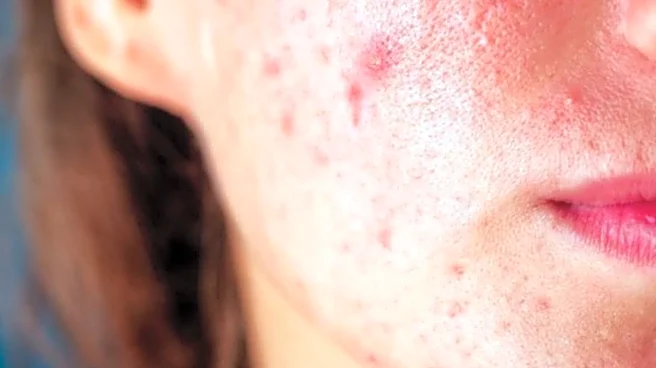




In a beauty world flooded with buzzy actives and overnight miracles, few ingredients have stood the test of time quite like salicylic acid. No flashy marketing, no complicated routine – just a quiet, clinical effectiveness that keeps it firmly on dermatologists’ shelves and bathroom counters alike. If you’ve ever scanned the label of an acne cleanser or spot treatment, chances are you’ve seen it listed. And for good reason.
What Exactly Is Salicylic Acid?
Salicylic acid belongs to a family of ingredients called beta hydroxy acids (BHAs). Unlike water-soluble exfoliants that work only on the surface, this one is oil-soluble, which means it can travel deeper into the pores. That single trait changes everything.
Because acne doesn’t start on top of the skin. It begins inside clogged
pores, where excess oil, dead skin cells, and bacteria get trapped. Salicylic acid slips through that oil, breaks down the buildup, and clears the congestion from within. Think of it less as scrubbing and more as dissolving.
How Does Salicylic Acid Clear Up Spots
Its approach is twofold. First, it gently exfoliates, loosening the ‘glue’ that binds dead skin cells together. This prevents them from piling up and blocking pores – one of the main causes of blackheads and whiteheads. Second, it has anti-inflammatory properties. That means it doesn’t just target the clog; it also helps calm redness and swelling, making angry breakouts look less noticeable faster. The result? Fewer new spots, quicker healing, and smoother texture over time.
Why Salicylic Acid Works For Oily And Acne-Prone Skin
If your skin tends to get shiny by midday or you’re prone to recurring breakouts, salicylic acid can be especially effective. Its oil-balancing nature helps regulate sebum without the harsh stripping effect that many traditional acne products cause. Translation: clear, not tight. And because it’s available in everything from cleansers and toners to serums and spot gels, it’s easy to tailor to your tolerance level.
How To Use Salicylic Acid Smartly
More isn’t better. Overusing salicylic acid can lead to dryness or irritation. Start slow: a few times a week, and always follow with hydration and sunscreen. Pair it wisely, too. Gentle moisturisers and barrier-supporting ingredients help keep skin balanced while the acid does its job.
Trends come and go, but efficacy endures. Salicylic acid isn’t glamorous. It’s reliable. And when it comes to clearer skin, that’s exactly what you want.
/images/ppid_a911dc6a-image-17707172282148604.webp)



/images/ppid_a911dc6a-image-177071703960325094.webp)

/images/ppid_a911dc6a-image-177071655366637065.webp)