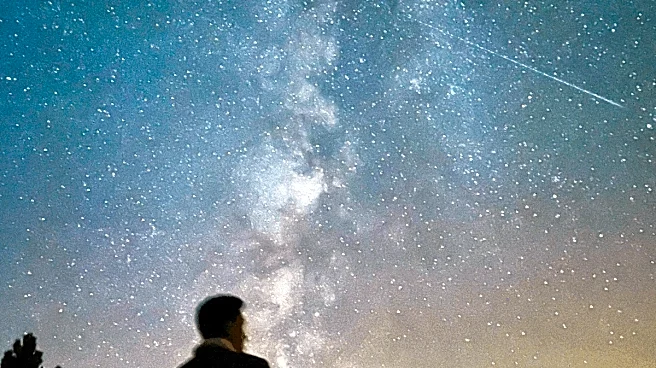




If you’ve ever pointed your camera at the night sky and wished for something magical to streak across the frame, tonight is worth stepping outside. Two meteor showers the Southern Delta Aquariids and the Alpha Capricornids are peaking together on the night of July 30 into the early hours of July 31. That means a higher chance of spotting “shooting stars,” and for the lucky ones, a few brilliant fireballs that light up the sky for a second or two.
Skywatchers are in for a rare treat this week as two meteor showers peak almost simultaneously. On the night of July 30 into the early hours of July 31, the Southern Delta Aquariids and Alpha Capricornids will overlap, offering a chance to spot both numerous faint streaks and occasional brilliant fireballs.
While the bright Moon will make the display less dramatic this year, experts say the brighter meteors may still be visible, especially if you’re watching from a dark location away from city lights.
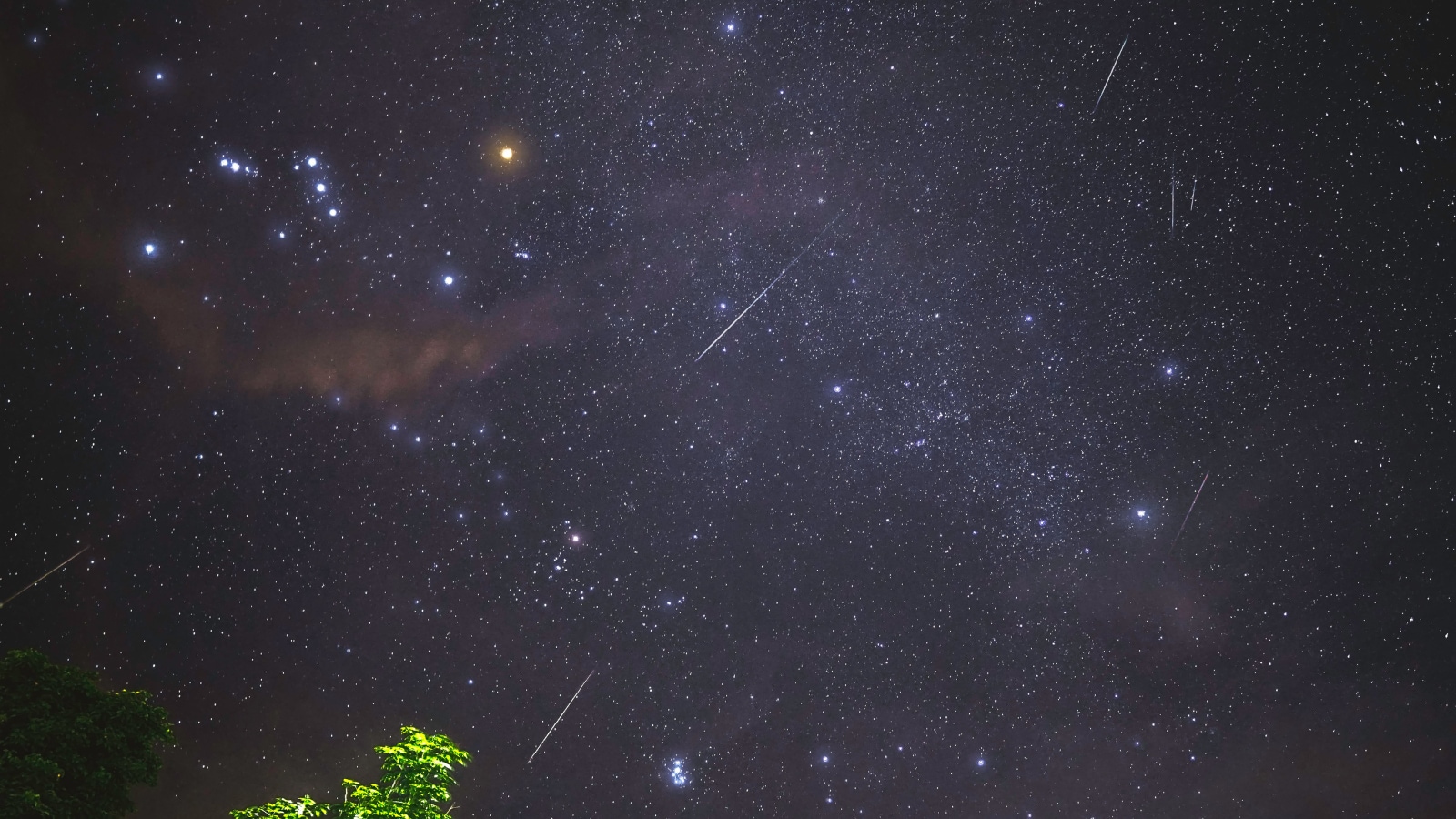
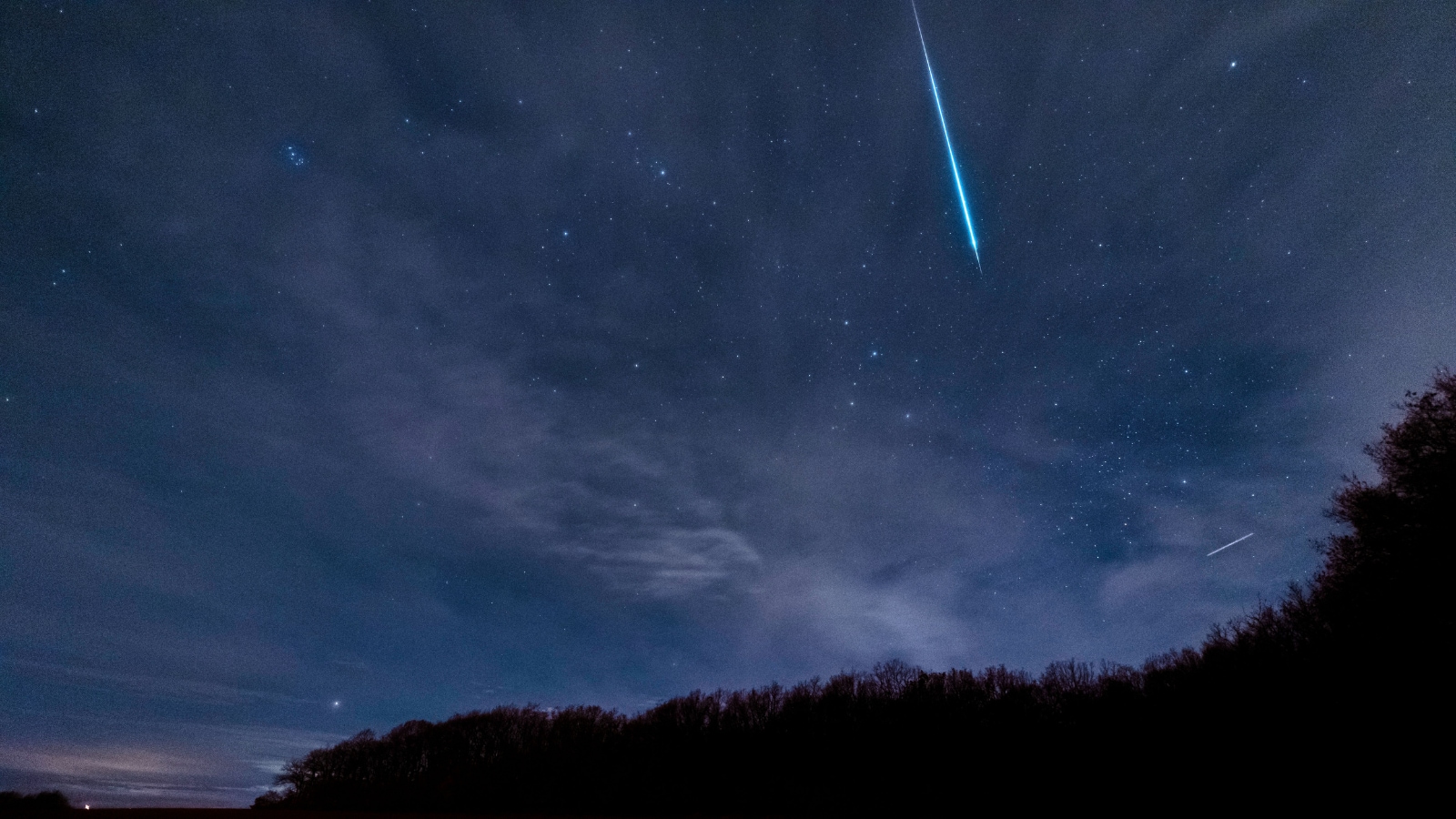
Earth is currently passing through two streams of space dust left behind by comets. When those tiny bits hit our atmosphere, they burn up and create bright streaks. One shower tends to produce more frequent (but fainter) meteors. The other is slower and less frequent, but sometimes creates dramatic, glowing fireballs that are easier to notice, even for beginners.
The catch this year? A nearly full moon is shining brightly, which will wash out many of the fainter meteors. Still, the brighter fireballs from the Alpha Capricornids have a good chance of cutting through the moonlight.
The Southern Delta Aquariids usually produce several faint meteors every hour, while the Alpha Capricornids are known for producing fewer meteors but much brighter ones.
When can you Watch the Meteor Showers in India?
For Indians, the best time to look up is after midnight on July 30 until just before dawn on July 31.
The meteor showers become easier to see as the night progresses because the part of the sky where they appear rises higher above the horizon.
You don’t have to catch the exact peak hour. Spending an hour or two outdoors after midnight gives you a good chance of seeing at least a few meteors if the skies are clear.
Where to Watch Meteor Shower in India?
Head to the darkest place you can reasonably reach within safety limits. City lights kill the view, so look for:
- Open rooftops or terraces away from streetlights
- Parks or outskirts on the edge of your city
- Hills, beaches, or countryside spots if you’re able to travel a short distance
No telescope or binoculars are needed. In fact, the naked eye is the best way to watch because meteors can appear anywhere in the sky.
Tips for Photographers to Capture The Meteor Shower
If you’re hoping to photograph the meteor shower:
- Use a wide-angle lens if you have one (or just your phone’s wide mode).
- Set your camera on a stable surface or tripod.
- Try longer exposures (10–20 seconds) at a high ISO and wide aperture. You might catch a bright streak if you’re lucky.
- Turn off the flash and any bright phone screens so your eyes (and sensor) can adjust to the dark.
- Shoot in bursts or keep the shutter open for several frames — meteors appear randomly.
Even if you don’t get a perfect photo, simply watching for a while under the open sky can feel special. The bright moon will make the night less dark than ideal, but that same moonlight can add a soft glow to landscapes in your frames.
When is the Next Major Celestial Event?
If tonight’s bright Moon gets in the way, don’t worry.
The Perseid meteor shower, one of the year’s biggest and brightest sky events, is expected to peak on the night of August 12 into August 13. It is one of the most reliable meteor showers for both casual stargazers and photographers.
Whether you’re an astronomy enthusiast or simply curious about the night sky, tonight’s double meteor shower is a good excuse to step outside, look up and see if nature puts on a memorable light show.



/images/ppid_a911dc6a-image-178515963032743448.webp)