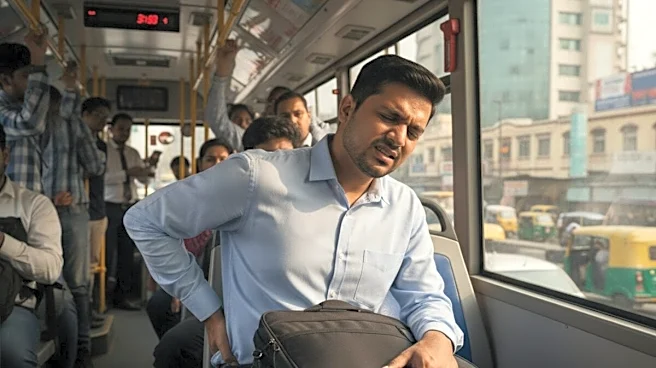




For many people living in metro cities, the commute between home and work is a non-negotiable part of the day. Whether you travel by car, bus, train, metro or two-wheeler, hours spent sitting still, standing in crowds, carrying a bag or navigating uneven roads can quietly add strain to the neck, shoulders and lower back.
Research has linked longer commuting times with a greater prevalence of musculoskeletal pain, especially in the back and upper body; one study found that commutes lasting more than 50 minutes were associated with a higher risk of neck and shoulder pain.
Commuting does not automatically cause spinal problems. But poor posture, repetitive jolts, heavy bags and long stretches without movement can aggravate stiffness and discomfort.
Dr Arjun Dhawale, Additional Director, Orthopaedic Spine Surgery – Sir H. N. Reliance Foundation Hospital, Mumbai, shares 7 simple daily habits can help make the journey easier on your body.
Travel Light and Distribute Weight Evenly
A heavy laptop bag, packed tote or single-strap handbag can make you lean to one side, altering your natural posture and placing uneven load on the spine. Before stepping out, remove items you do not need that day. If you carry a backpack, use both straps, keep it snug and position the load close to your back. Place heavier objects nearer the centre of the bag rather than letting them sit far away from the body.
Avoid Making Long Two-Wheeler Rides a Daily Default
Two-wheelers can be practical in traffic, but prolonged rides require the body to constantly balance, absorb vibrations, brake and react to road conditions. Over time, this may contribute to neck and lower-back discomfort, especially if your posture is hunched or the seat and handlebars do not suit you.
Choose Your Bus Seat Carefully
Bus travel can involve frequent stops, sharp braking and road bumps. If you have a choice, avoid the very back seats, where jolts may feel more pronounced. Sit with your back supported against the seat, keep both feet grounded where possible and avoid slumping forward with your head down.
Set Up a Spine-Friendly Position in the Car
Long car rides can leave the lower back and neck stiff, particularly when the seat is reclined too far or placed too far from the steering wheel. Sit back fully into the seat, keep your shoulders relaxed and adjust the seat so you do not have to stretch forward to reach the wheel or pedals. A small lumbar cushion, rolled-up scarf or sweater behind the lower back can help maintain its natural curve.
Break the Phone-Scrolling Habit
The easiest commute habit to overlook is repeatedly looking down at a phone. Holding your neck in a forward-bent position can strain the cervical spine and contribute to stiffness, headaches and upper-back discomfort. Lift your phone closer to eye level, use the journey to listen to music or a podcast, or simply look ahead and let your eyes rest.
Consider the Metro When It Fits Your Route
When accessible, the metro can be a more predictable option for daily travel than a long road journey, as it generally avoids potholes, stop-start traffic and repeated braking. If you are standing, keep your weight balanced across both feet, soften your knees slightly and hold a rail securely. Avoid leaning heavily onto one hip or hanging from one arm for the full ride.
Plan Train Travel Wisely
Trains are often among the quickest ways to cover long distances, but rush-hour crowding can turn a simple commute into a physically demanding experience. If your schedule allows, travel outside peak hours, when standing space and seats may be easier to find. When standing, keep your bag close to your body, distribute weight through both feet and avoid twisting your back while the train is moving. When seated, use the backrest and avoid spending the entire journey with your neck bent over a screen.

/images/ppid_59c68470-image-178973252942786502.webp)