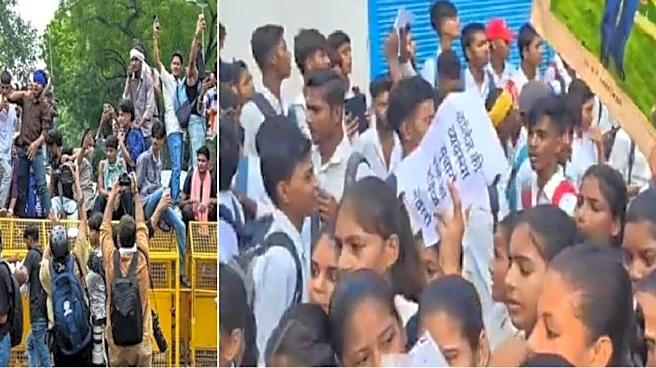




While Gen Z has made headlines demanding systemic policy overhauls and exam transparency, a parallel shift is taking place at the school level. Across several states, Gen Alpha—students in primary and secondary schools—is stepping forward to address hyper-local, daily campus needs.
Rather than focusing on macro-political debates, these younger cohorts are seeking direct improvements to their immediate learning environment. The focus has shifted from national policy forums to school gates and district offices, where students are raising concerns about essential classroom infrastructure, such as functional fans during intense summer heat, clean drinking water systems, and maintained sanitation facilities.
The Contrast: National Ambitions vs Local Realities
The two student cohorts reflect distinct
priorities, methods, and geographical footprints:
- Gen Z Mobilisation: Centred primarily in university hubs and state capitals, addressing national policy reforms, central examination integrity, and systemic governance. These movements rely heavily on digital coordination, social media campaigns, and structured student representation.
- Gen Alpha Action: Concentrated in district towns and semi-urban regions across states like Uttar Pradesh, Bihar, and Rajasthan. The focus remains firmly on local utility needs—seeking working ceiling fans in 40°C-plus temperatures, RO water purifiers, functional toilets, and adequate classroom teaching staff.
Ground-Level Initiatives and Responsive Governance
Recent events highlight how local administrative machinery is responding to these student-led requests:
- Immediate Infrastructure Upgrades: In Uttar Pradesh’s Fatehpur district, over 1,500 students at Sarvodaya Inter College organised a peaceful demonstration to highlight infrastructure gaps. The District Inspector of Schools personally inspected the campus, acknowledged the validity of the demands, and ordered the immediate installation of new ceiling fans and drinking water facilities.
- Addressing Staff Shortages: In Rajasthan’s Barmer and Jalore districts, student representations concerning missing teaching staff led the state education department to deploy educators on a deputation basis across more than 80 government schools to maintain academic continuity.
- Direct Administrative Engagement: In Bihar’s Gaya district, local education and administrative officials engaged directly with middle-school students to review hand-pump repairs and campus sanitation improvements.
A Constructive Dialogue for Educational Growth
This emerging trend points to an increasingly aware student population that values functional, safe learning spaces. Rather than signalling disruption, the constructive engagement between young students and local administrations demonstrates a responsive public machinery.
When district officers, school management, and local authorities actively listen and deliver swift solutions, it strengthens trust in public education institutions. By addressing baseline physical infrastructure and staffing needs promptly, administrative bodies are ensuring that classrooms remain supportive, healthy spaces for the next generation of learners.