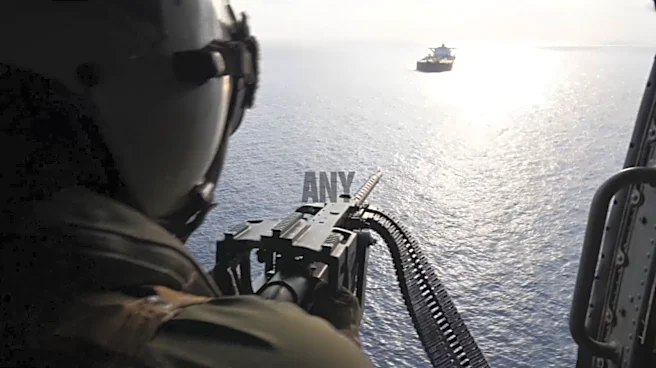


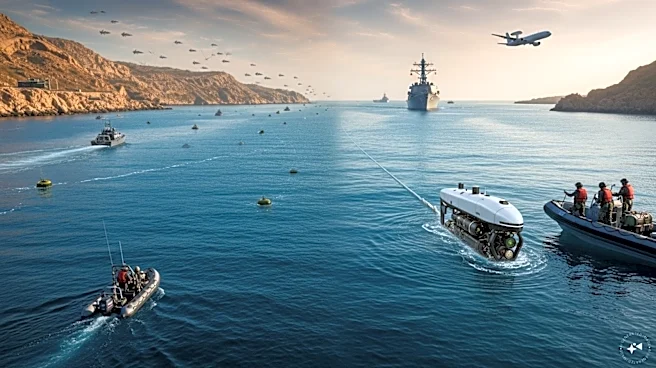
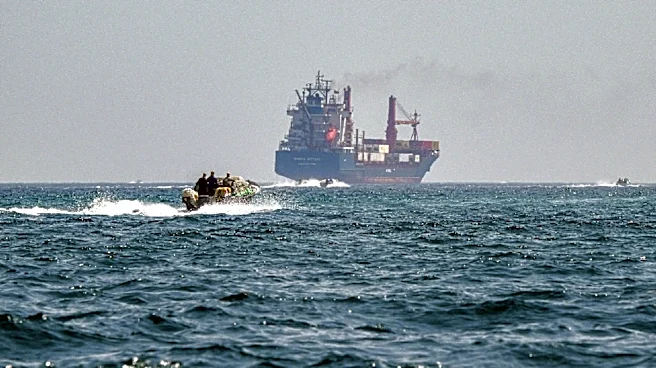
The Strait of Hormuz, one of the world’s most vital shipping lanes, may take as long as six months to be fully cleared of mines allegedly deployed by the Iranian military, according to a Pentagon assessment shared with the US Congress. The warning suggests the economic shock from the ongoing US-Iran conflict could stretch well into the end of the year and possibly beyond, Washington Post reported.
Read more: Black Gold Rush: Why Trump Was Not Wrong When He Said High Oil Prices Mean US Makes Money
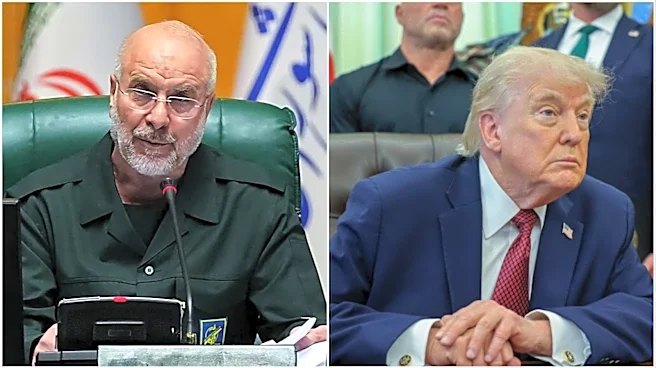
The assessment comes as Iranian officials signalled that reopening the waterway is unlikely anytime soon, tying access to broader military and political conditions. Iranian parliament speaker Mohammad Bagher Ghalibaf said that the Strait of Hormuz cannot
reopen unless what he called a maritime blockade is lifted and ceasefire violations are addressed. In a post on X (formerly Twitter), Ghalibaf said a ceasefire would hold little meaning if trade routes remained blocked.
“A complete ceasefire only makes sense if it is not violated by the maritime blockade… reopening the Strait of Hormuz is impossible with such a flagrant breach,” he wrote. He also criticised Israel and Western pressure, saying military force had failed to achieve its goals.
“They did not achieve their goals through military aggression, nor will they through bullying. The only way forward is to recognize the rights of the Iranian nation,” he added.
Read more: The Art Of No Deal: 5 Reasons Why Iran’s Leadership Is Unable To Sign A Peace Truce With Trump
The Strait of Hormuz is among the most strategically important chokepoints in the global economy. Roughly a fifth of the world’s oil and a significant share of liquefied natural gas supplies pass through the narrow corridor linking the Persian Gulf to global markets. Any prolonged disruption there immediately affects tanker movement, freight costs, insurance rates and energy prices.
If mines remain in place and shipping traffic cannot safely resume, global supply chains may continue to face delays and elevated costs for months. A six-month clearance timeline would mean the global economy may not return to normal quickly. Higher oil and gas prices could push up transport costs, electricity bills and manufacturing expenses worldwide. Those costs often flow directly to consumers through more expensive food, goods and travel.
For governments already struggling with stubborn inflation, a fresh energy shock could force central banks to keep interest rates higher for longer, slowing borrowing, investment and growth. If the disruption drags on, several major economies could face stagflation-like conditions- weak growth combined with rising prices- while vulnerable nations may risk outright recession.
Longer detours around alternate routes would add weeks to some shipments, increasing freight charges and squeezing businesses dependent on predictable delivery schedules. That could hit everything from fuel prices at petrol pumps to supermarket shelves, airline fares and industrial production.


/images/ppid_a911dc6a-image-177682182853011695.webp)