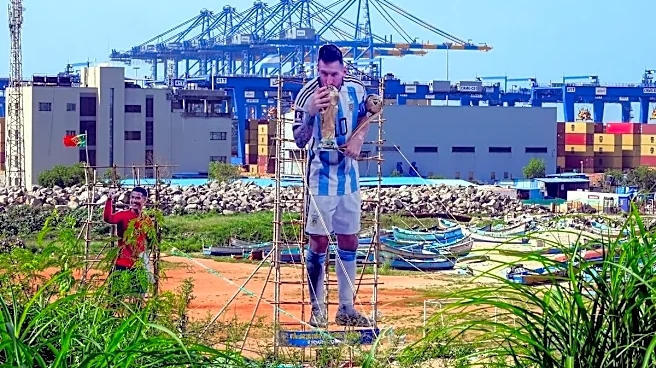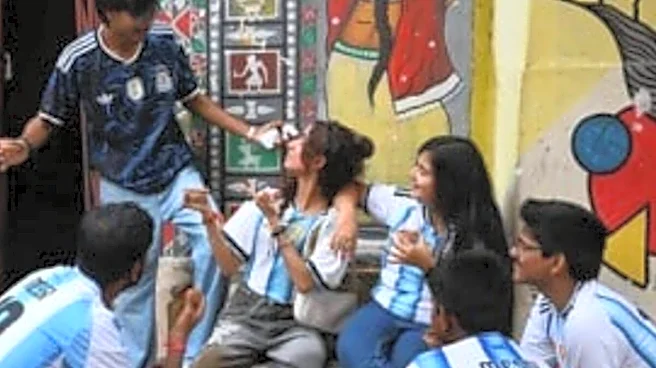



India may not have a single player on the pitch at the FIFA World Cup 2026, but the South Asian nation has emerged as one of the tournament’s most lucrative commercial winners. Despite the national team’s absence from the expanded 48-team roster, the subcontinental market has converted its immense cricket-adjacent appetite into an unprecedented football gold rush.
Driven by digital streaming metrics, record-breaking advertising investments, and an absolute explosion in consumer retail spending, the economic footprint of the tournament within India has eclipsed several participating nations. The sheer scale of domestic consumption has fundamentally redefined India’s status from a passive viewing market into the primary commercial engine driving
global football viewership revenues.
Unprecedented Digital and Broadcast Dominance
The cornerstone of India’s World Cup windfall rests on staggering digital viewership metrics. The tournament’s shift toward accessible mobile streaming has shattered previous regional records, proving that football is no longer just a niche urban interest in India.
- Midnight Viewership Surges: Despite highly challenging kickoff times for the Indian subcontinent—with marquee matches routinely broadcasting between 11:30 PM and 3:30 AM IST—live digital streams consistently attracted tens of millions of concurrent devices.
- Regional Language Localisation: Rather than relying solely on traditional English commentary, broadcasting networks achieved viral engagement by offering tailored audio feeds in languages such as Bengali, Malayalam, Tamil, and Bhojpuri, unlocking massive rural and semi-urban consumer bases.
- Ad-Spend Influx: Major domestic conglomerates shifted significant portions of their annual marketing budgets away from traditional monsoon sporting events to purchase premium advertising slots, capitalising on the hyper-engaged millennial and Gen-Z demographics.
The Sportswear and Retail Surge
The commercial madness has directly transformed the domestic retail landscape, turning the final weeks of the tournament into an absolute bonanza for sportswear manufacturers and casual dining networks. Official merchandise providers and parallel market sellers alike have struggled to cope with an unprecedented supply deficit.
The demand for elite team jerseys, custom trainers, and football training gear experienced a massive double-digit growth corridor compared to normal fiscal cycles. Metropolitan hubs saw specialised sports bars, microbreweries, and cloud kitchens operating at maximum capacity well past midnight. App-based delivery systems recorded massive order volumes during late-night half-time windows, effectively creating a secondary nighttime economy driven entirely by the final match schedules.
Long-Term Structural Dividends
Beyond the immediate commercial gains, this massive wave of consumer engagement has laid down a vital blueprint for the future of Indian sports infrastructure. The sheer volume of corporate capital flowing into the football ecosystem during this tournament cycle has proven the financial viability of the sport to domestic investors.
With corporate sponsors realising the intense, undivided attention that top-tier football commands across the country, grassroots academies and domestic leagues are already positioned to absorb a fresh influx of private funding. By demonstrating that its audience will stay awake until dawn to watch elite sports, India has cemented its place as an indispensable superpower in the global sports entertainment matrix—all without kicking a single ball.


/images/ppid_59c68470-image-178452753157863802.webp)

/images/ppid_a911dc6a-image-178449603089793648.webp)