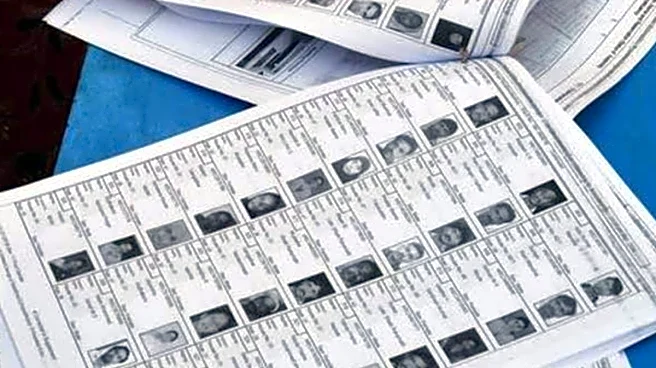




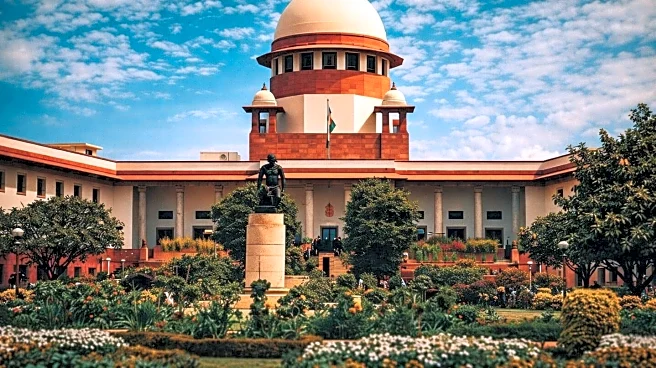
The Supreme Court on Thursday issued a vital directive to the Election Commission of India (ECI), mandating the public display of nearly 24 lakh names removed from the draft electoral rolls in Kerala. A bench led by Chief Justice Surya Kant and Justice Joymalya Bagchi emphasised the need for transparency, directing that the lists of excluded voters be published on official websites and at prominent public offices, such as Gram Panchayat buildings, to ensure affected citizens are aware of their status.
The court’s intervention follows the conclusion of a Special Intensive Revision (SIR) exercise in Kerala, which has drawn intense criticism from political parties and civil society groups. Petitioners, including leaders from the CPI(M), IUML, and Congress,
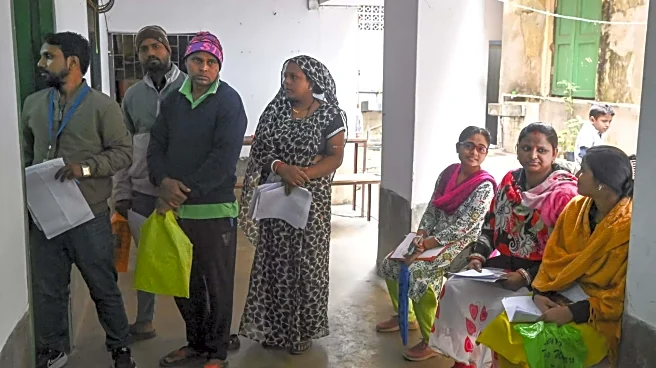
argued that the large-scale deletions—comprising roughly 7% of the state’s electorate—were conducted without providing sufficient notice or an opportunity for voters to defend their residency or citizenship status. The bench observed that for the right to file objections to be meaningful, citizens must first be informed of their exclusion in a clear and accessible manner.
Recognising the logistical hurdles faced by the public, the Supreme Court also directed the ECI to “consider the desirability” of extending the deadline for filing claims and objections, preferably by at least two weeks. The original window for objections was set to close on January 22, but the court noted that many individuals had only recently discovered their names were missing. The ECI’s counsel, Senior Advocate Rakesh Dwivedi, agreed to consider the suggestion, acknowledging the “difficulty being experienced by the people at large” during this transition from summary to intensive revision.
The SIR process, the first house-to-house revision of its kind in over two decades, aims to sanitise voter rolls by removing deceased individuals, shifted residents, and duplicate entries. However, the exercise has sparked a wider legal debate over the powers of Electoral Registration Officers (EROs) to conduct “inquisitorial inquiries” into citizenship. Earlier this week, the court questioned whether such administrative deletions could inadvertently strip individuals of their fundamental right to vote before a final determination is made by the central government. With the Kerala Legislative Assembly elections scheduled for May 2026, the court’s latest order serves as a safeguard against potential mass disenfranchisement, ensuring that the “utopia of perfection” in the voter list does not come at the cost of democratic inclusion.
/images/ppid_a911dc6a-image-17706391023532467.webp)


/images/ppid_a911dc6a-image-177063642375377933.webp)