

/images/ppid_59c68470-image-178867503330540155.webp)
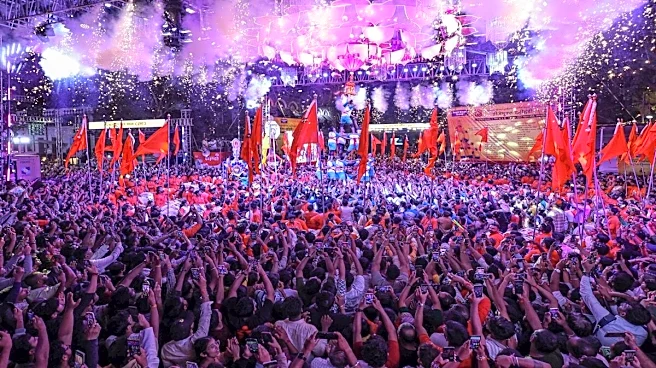
In the backdrop of recent controversy around DJ and loud sound in Pune during festivity, the sound of dhol-tasha, halgi and traditional chants replaced high-volume DJ music as Lal Mahal Chowk came alive for a large-scale Dahi Handi celebration organised by the Punit Balan Group. With 31 prominent Ganesh mandals coming together on a single platform, the celebration drew a massive crowd and offered a distinctly traditional take on the popular festival.
The highlight of the evening was the performance by the Shivtej Govinda troop, which successfully broke the Dahi Handi by forming a seven-tier human pyramid. The team won a cash prize of Rs 1.11 lakh.
What set the event apart was the deliberate decision to keep DJs out of the celebration. Instead,
organisers relied on traditional percussion, devotional music and Maharashtra’s folk performing arts to build the festive atmosphere.
The approach did little to dampen the enthusiasm. The area around Lal Mahal Chowk remained packed as Govindas and spectators responded to the beats of dhol-tasha and halgi. Lezim performances, traditional music and demonstrations of Mardani Khel, Maharashtra’s traditional martial art, added variety to the programme.
The programme was designed to bring several elements of Maharashtra’s cultural heritage together. It opened with a performance by Prabhat Band, followed by presentations featuring dhol-tasha, pakhawaj, Shiv Vadya, halgi and traditional chants.
Women’s lezim teams were among the attractions, while performances inspired by the Warkari tradition brought a devotional character to the celebrations. Mardani Khel demonstrations further added to the spectacle, drawing the attention of the crowd.
With multiple Govinda Pathaks participating together, the event went beyond the usual Dahi Handi competition. It became a broader community celebration built around music, devotion, tradition and participation.
The organisers sought to underline a simple point: a large public festival does not necessarily need high-volume DJ music to create excitement.
The response from the crowd appeared to reinforce that idea. Traditional percussion and live cultural performances provided much of the energy, while also giving younger participants a closer connection with Maharashtra’s folk traditions.
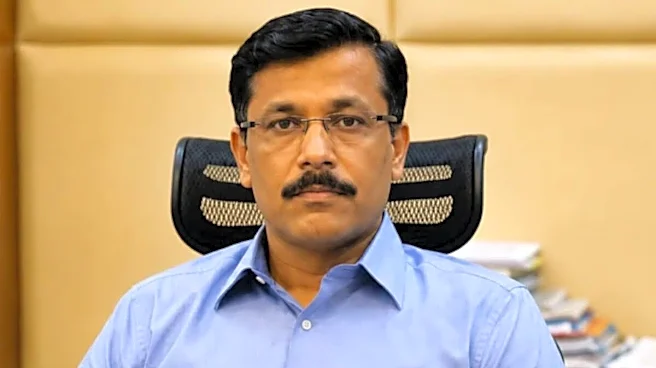
Punit Balan said Dahi Handi and Ganeshotsav remain deeply linked to Maharashtra’s cultural identity and described the response to the DJ-free format as encouraging.
The Punit Balan Group also said the move is gaining wider acceptance, with more than 200 Ganeshotsav groups reportedly choosing to stay away from DJs during the festival season.
At Pune’s Lal Mahal Chowk, the message was clear: a festival can be loud in spirit without being loud in volume. The packed streets, pounding dhol-tasha and enthusiastic Govindas showed that removing DJs did not take away from the excitement. Instead, the celebration put Maharashtra’s own music, traditions and community spirit at the centre — offering a glimpse of how modern festivities can retain their energy while staying rooted in culture.