






Udupi/New Delhi, Jul 5 (PTI) Tejas was diagnosed with autism spectrum disorder (ASD) at the age of three, after his parents noticed delayed speech, poor eye contact and limited social interaction.
The Bengaluru-based family began speech and occupational therapy for Tejas, but in the hope that Ayurveda may provide supportive care that could complement his ongoing therapies, they travelled to SDM College of Ayurveda in Udupi.
Over the following two-and-half years, Tejas slowly began expressing himself in his own way and even started chanting shlokas as he underwent Balapanchakarma therapy at the institute. For his parents, every small milestone became a reason to celebrate.
Like Tejas’ family, a growing number of parents from across India are combining
evidence-based therapies with Ayurveda in the hope of improving their children’s overall quality of life.
Located in the coastal temple town of Udupi, SDM College of Ayurveda has emerged as a sought-after centre for families seeking supportive ayurvedic care for children with autism and other neurodevelopmental disorders.
Dr Mamatha K V, Principal of SDM College of Ayurveda, Udupi, said the growing number of patients reflects increasing awareness that Ayurveda can complement, rather than replace, conventional therapies.
“Families are coming to us from many states across the country because of word of mouth recommendations. Parents are looking for a holistic approach that can be integrated with speech therapy, occupational therapy and behavioural interventions.
“We always explain that Ayurveda is not a substitute for these evidence-based therapies but can be an important supportive system to improve the child’s overall well-being,” she said.
Autism spectrum disorder is a neurodevelopmental condition that affects communication, social interaction and behaviour.
According to the World Health Organization, around one in every 100 children worldwide is estimated to have autism, although prevalence varies across countries.
Experts say every child with autism has unique strengths and challenges, making early diagnosis and individualised intervention the cornerstone of management.
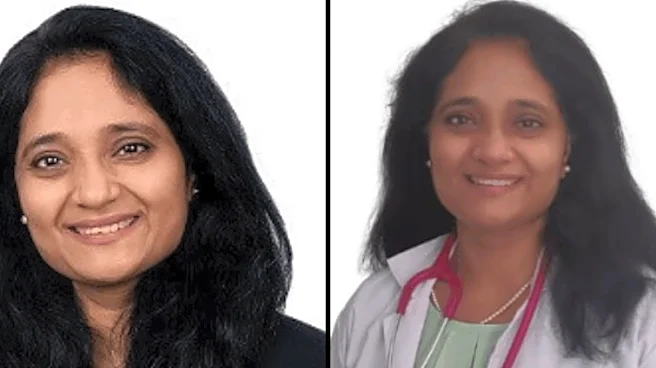
Ayurveda does not describe autism as a single-disease entity, said Dr Prathviraj Puranik, Professor and Head, Department of Balaroga (Ayurveda Paediatrics), SDM College of Ayurveda.
“Instead, practitioners assess each child individually, considering physical constitution, digestion, sleep patterns, behaviour and developmental history before designing personalised treatment plans,” Puranik explained.
Dr Chithralekha, Assistant Professor, Department of Balaroga (Ayurveda Paediatrics), said the emphasis is on improving the child’s overall functioning rather than claiming a cure.
“Our objective is to support the child’s developmental potential. Depending on individual assessment, treatment may include dietary regulation, medicines, Panchakarma procedures where appropriate, lifestyle modifications and counselling for parents.
“We aim to improve sleep, digestion, attention, emotional regulation and overall quality of life while the child continues conventional therapies,” she said.
Doctors at the institution stressed that autism is a lifelong neurodevelopmental condition and should not be viewed as an illness that can simply be cured.
Instead, they advocate an integrative model in which speech therapy, occupational therapy, behavioural interventions and educational support remain the primary interventions, while Ayurveda serves as a complementary system of care.
Supportive Ayurvedic management may include personalised dietary advice based on digestive health, structured daily routines, sleep regulation, yoga and relaxation techniques adapted to the child’s abilities, and counselling to help parents create a calm and predictable home environment, Dr Puranik said.
Dr Chithralekha said many families report improvements in sleep quality, appetite, concentration, repetitive behaviour, hyperactivity and better participation in therapy sessions after integrating Ayurvedic care.
However, she cautioned that outcomes vary considerably from one child to another and no treatment can guarantee similar results for every individual.
Referring to a traditional prenatal practice rooted in Ayurveda, “Garbha Samskara”, Dr Mamatha said before conception, if the couple plans well and does the “garbhadana samsara” ritual, which includes ayurvedic pre-conception care focussing on healthy choices and stronger bonding, they can prevent the possibility of such disorders.
“Children born with Garbha Samskara are more active, with good immunity and well neurologically developed. Ayurveda also places considerable emphasis on maternal health, balanced nutrition and healthy lifestyles before and during pregnancy, with the aim of promoting overall well-being for both mother and child,” she said.
Experts, however, underline that there is currently no scientifically established method to prevent autism.
Dr Chithralekha said one of the biggest strengths of Ayurveda lies in its family-centred approach.
“When a child has autism, the entire family experiences emotional and psychological stress. We counsel parents extensively because consistency at home plays a major role in helping the child. Ayurveda places equal importance on supporting caregivers and creating a nurturing environment,” she said.
The growing interest in integrative care reflects a broader shift in healthcare, with complementary systems increasingly being explored alongside modern medicine for chronic conditions requiring long-term support.
Researchers continue to study how traditional approaches may help improve quality of life for children with developmental disorders when used responsibly and under qualified medical supervision.
Doctors at SDM College emphasise that families should consult developmental paediatricians, neurologists and qualified ayurvedic paediatricians before beginning any new treatment programme.
For parents like Tejas’, progress is measured not through dramatic transformations but through everyday achievements — a child sleeping peacefully through the night, making eye contact, responding to a parent’s voice or participating more confidently in learning and play.
As more families seek to supportive care, doctors maintain that autism requires patience, early intervention and individualised management.
Ayurveda may offer valuable support for some children, they say, but it works best as part of an integrated care model grounded in scientific evidence and realistic expectations. PTI PLB SKY SKY








/images/ppid_59c68470-image-178316255886394586.webp)
