

/images/ppid_59c68470-image-178819296099776611.webp)
ISRO is set to launch EOS-05 aboard the GSLV-F17 in the early hours of Friday, marking a significant milestone in India’s Earth observation capabilities.
The Indian Space Research Organisation (ISRO) has commenced the 27-hour countdown for the launch of EOS-05, an advanced Earth observation satellite that will become India’s first imaging satellite to operate from geosynchronous orbit.
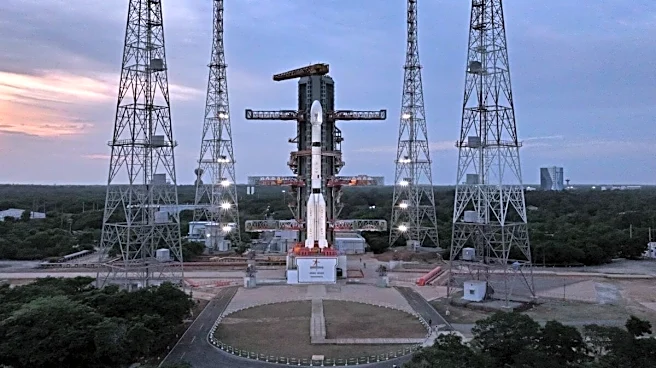
The GSLV-F17 rocket is scheduled to lift off at 2:55 am on September 4 from the second launch pad at the Satish Dhawan Space Centre in Sriharikota, around 135 km from Chennai.
Standing 51.7 metres tall, the rocket is carrying the approximately 2,367-kg EOS-05, also known as GISAT-1A. Once deployed, the satellite is designed to provide frequent, near real-time imagery
of large parts of India.
One day to go!
GSLV-F17/EOS-05 is scheduled for launch on 04 Sept 2026 at 02:55 AM IST from SDSC-SHAR, Sriharikota.
Livestreaming starting from 02:25 AM IST onwardshttps://t.co/uCaGCKcwuC
For more information:https://t.co/VneB2jgZoY#GSLVF17 #EOS05 #ISRO pic.twitter.com/24Wrm1c6Y4
— ISRO (@isro) September 3, 2026
What Makes EOS-05 Significant?
Unlike conventional Earth observation satellites that repeatedly circle the planet, a satellite in geosynchronous orbit can remain focused on the same broad region. This makes EOS-05 particularly useful for applications requiring frequent monitoring.
Its imagery is expected to support disaster management, agriculture, weather monitoring and tracking changes across large areas of the country.
GSLV-F17 is the 19th flight of ISRO’s Geosynchronous Satellite Launch Vehicle. The 51.7-metre rocket uses solid, liquid and cryogenic propulsion, with its indigenous cryogenic technology representing decades of development by ISRO.
The rocket will initially place EOS-05 into a Sub-Geosynchronous Transfer Orbit, from where the satellite will manoeuvre towards its designated operational position.
Why ‘Naughty Boy’?
The GSLV has earned the affectionate nickname “Naughty Boy” because of its mixed record, particularly during its earlier developmental flights. Six of its first 18 missions did not achieve full mission success.
Friday’s launch also carries added significance as it comes after a gap of nearly eight months. ISRO’s PSLV-C62 mission on January 12 failed to place its 16 satellites into their intended orbit following an anomaly in the rocket’s third stage.
An earlier PSLV-C61/EOS-09 mission in May 2025 also ended unsuccessfully after a motor pressure issue.
With EOS-05, ISRO will be looking to put its GSLV back on track while adding a new capability to India’s space-based Earth observation programme.
(With inputs from PTI)