
/images/ppid_59c68470-image-177068778557690523.webp)
/images/ppid_59c68470-image-177068760218448786.webp)
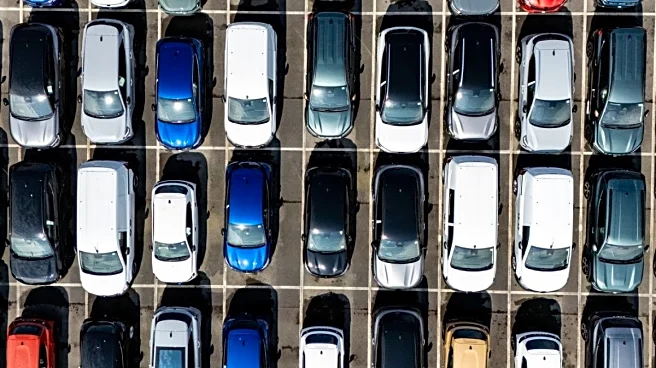
The government on Tuesday told Parliament that India’s automobile sales saw a sharp jump in sales after the reduction in Goods and Services Tax (GST) rates on vehicles. According to the data shared, total vehicle sales in October 2025 rose 41.3 percent compared to the same month last year.
India sold 40.55 lakh vehicles in October 2025, up from 28.7 lakh units in October 2024. The government said this strong growth was directly linked to the GST rationalisation move, where tax rates on several vehicle categories were reduced from 28 percent to 18 percent.
According to the government, the lower GST rate helped bring down on-road prices, making vehicles more affordable for consumers. This led to higher domestic demand across segments, including
two-wheelers, passenger cars and commercial vehicles. The rise in sales also comes at a time when the auto sector is benefiting from improved consumer sentiment, festive demand and easier financing options.
Govt Rationalises GST On Automobiles From September 22
The government has slashed taxes on smaller vehicles from 28% to 18%. However, the GST rates have also been rationalised for luxury cars, SUVs and high-end motorbikes to 40%, compared with 28% GST (plus 17-22% compensation cess) earlier.
The new GST rates became effective from September 22, 2025, the first day of Navratri.
Petrol, CNG and LPG cars with engine capacity up to 1200cc and length up to 4000 mm will now attract 18% GST, lower from the earlier 28%. Diesel cars with engine capacity up to 1500cc and length up to 4000 mm also get the lower 18% GST rate.
It means that popular hatchbacks and compact sedans, including Maruti Swift, Hyundai i20, Tata Altroz, and Honda Amaze, might become more affordable.
Large Cars & SUVs Get Costlier
Cars with engine capacity above 1200cc (petrol/CNG/LPG) or above 1500cc (diesel) or length more than 4000 mm will now attract a 40% GST, as compared with 28% (plus 17%-22% compensation cess) earlier. It means that the tax on such vehicles has been reduced to 40%, compared with 45%-50%.
It covers bigger sedans, premium SUVs, and imported models. Customers looking at vehicles like Toyota Fortuner, Mahindra XUV700 (higher variants), or imported luxury sedans stand to gain, from September 22.
/images/ppid_59c68470-image-177069004415381828.webp)

/images/ppid_59c68470-image-177069015656989662.webp)
/images/ppid_59c68470-image-177069019679222018.webp)
/images/ppid_59c68470-image-17706901166498245.webp)
/images/ppid_59c68470-image-177069008086153671.webp)
/images/ppid_59c68470-image-177069012456821934.webp)

/images/ppid_a911dc6a-image-17706892382281453.webp)

/images/ppid_a911dc6a-image-17706885616409661.webp)
/images/ppid_a911dc6a-image-177068852974566338.webp)