
Every Christmas season brings with it a new flavour obsession. One year it’s red velvet in every imaginable form, another it’s matcha, salted caramel, or pistachio cream. But this festive season, a quieter,
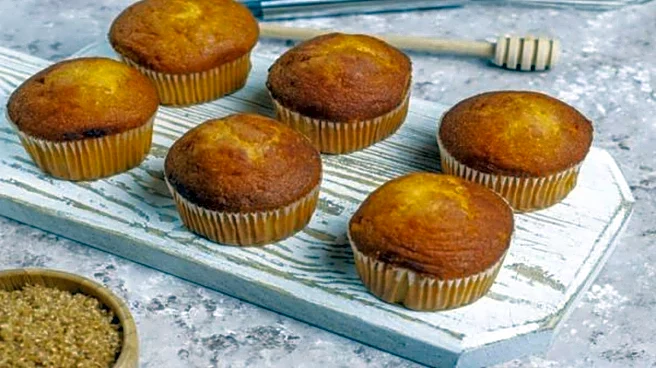
more rooted ingredient is taking centre stage in holiday baking: jaggery. Once firmly associated with Indian winter sweets and home kitchens, jaggery is now finding its way into Christmas cupcakes creating desserts that feel warm, nostalgic, and surprisingly modern.
According to Shrey Gupta, Vice President, Dhampur Green, this shift reflects a broader change in how people are thinking about festive food. “Jaggery brings a depth of flavour that refined sugar simply can’t replicate,” he explains. Made from unrefined sugarcane or date palm sap, jaggery has a rich, molasses-like sweetness that feels naturally indulgent without being overpowering. With growing interest in minimally processed, natural ingredients, bakers are rediscovering jaggery not just for its taste, but for its cultural resonance.
One of the reasons jaggery works so seamlessly in Christmas desserts is its natural affinity with festive spices. Cinnamon, nutmeg, ginger, cloves, and cardamom are staples of holiday baking, and when paired with jaggery, their warmth deepens. “The caramel notes in jaggery allow spices to bloom rather than sit on the surface,” says Gupta. The result is a cupcake that tastes layered and comforting and familiar, yet elevated; much like a spiced cake reimagined for modern palates.
Beyond flavour, jaggery brings with it a strong nostalgia factor. For many, it recalls childhood winters, homemade treats, and kitchens filled with slow-cooked sweetness. Folding that memory into a Western-style cupcake creates a subtle cultural fusion. It’s not just dessert; it’s an emotional connection, something increasingly sought after during the holidays, when people crave meaning as much as indulgence.
From a health perspective, jaggery’s appeal also lies in how it’s perceived. Nutritionist Arooshi Aggarwal points out that while jaggery is still a form of sugar, it undergoes far less processing than refined white sugar. “Because it’s minimally processed, jaggery retains small amounts of iron, potassium, and antioxidants,” she explains. It also tends to cause a slightly slower rise in blood sugar levels compared to refined sugar, making it a marginally better choice for occasional festive treats.
Aggarwal adds that the spices commonly used in jaggery-spiced cupcakes bring their own benefits. Cinnamon, ginger, cloves, and nutmeg are known to support digestion and have anti-inflammatory properties. “When these spices are paired with sweets, they can help moderate blood sugar spikes and reduce post-meal discomfort,” she notes. Using complementary ingredients like whole-grain flour, nuts, or yogurt can further improve fibre and protein content, making these cupcakes more satiating.
Another reason jaggery-spiced cupcakes are gaining traction is their understated visual appeal. Unlike flashy, novelty-driven desserts, these cupcakes lend themselves to rustic aesthetics—cream cheese frosting, dried orange slices, light spice dustings, and warm brown hues. Social media has played a quiet but influential role here, with home bakers and boutique bakeries favouring cozy, artisanal presentations over glittery excess.
For Aggarwal, this trend signals something positive. “It’s less about diet culture and more about digestive comfort and emotional satisfaction,” she says. Jaggery-spiced cupcakes allow people to enjoy festive desserts without the heaviness that often follows overly sugar-loaded treats. They encourage smarter ingredient choices rather than eliminating indulgence altogether.
As festive baking continues to evolve, jaggery’s moment in the spotlight feels well earned. It represents a shift toward thoughtful indulgence, where tradition, flavour, and mindfulness come together. This Christmas, the most exciting cupcake may not be filled with novelty creams or topped with glitter, but quietly spiced, deeply flavoured, and sweetened with an ingredient that has stood the test of time. Sometimes, the best trends are the ones rooted in tradition.
/images/ppid_a911dc6a-image-177101403147018469.webp)

/images/ppid_a911dc6a-image-177101053501199609.webp)
/images/ppid_59c68470-image-177101003680064644.webp)







/images/ppid_59c68470-image-177100753350744656.webp)
/images/ppid_a911dc6a-image-17710070301901476.webp)
/images/ppid_a911dc6a-image-177100572282276854.webp)