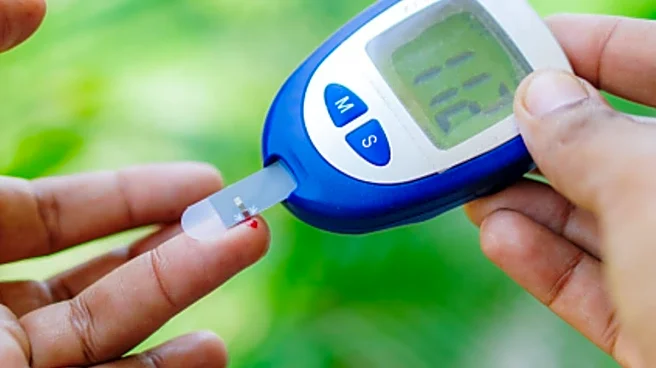

Across India, more women are quietly confronting diabetes not only due to rising weight, but because of something far less visible: hidden metabolic risk. Together, these two challenges create a double
burden that threatens women’s long-term health and overall well-being.
A Changing Picture of Risk
Once considered a “man’s disease,” diabetes is now affecting Indian women at increasingly younger ages. Busy routines, chronic stress, irregular meals, and hormonal transitions from PCOS to menopause have blurred traditional boundaries of risk.
Recent national data reflect this shift. According to the ICMR–INDIAB study (2023), nearly 11.4% of Indian adults live with diabetes, and prevalence among women is rapidly catching up with that of men. Alarmingly, a significant proportion of women with a normal BMI still show abdominal obesity and insulin resistance, the hallmark of being metabolically unhealthy, non-obese (MUNO).
This “invisible fat,” stored around the waist and internal organs, drives insulin resistance and significantly increases cardiovascular risk, even when the weighing scale appears normal.
Why It’s a Double Burden
For Indian women, biological factors and sociocultural pressures often collide. Hormonal influences such as pregnancy, PCOS, and menopause can make blood sugar regulation more difficult. At the same time, family responsibilities, limited time for exercise, and cultural expectations frequently push self-care to the background. Many women prioritise household needs and delay medical attention until symptoms become severe.
“Women are usually the caregivers, but they must also learn to care for themselves,” says Dr Jitendra Tekchandani, Consultant Diabetologist, G2 Clinics, Ulhasnagar, Maharashtra.
What the Numbers Show
A recent study supported by USV Private Limited, a leading healthcare organisation empowering India’s fight against diabetes and heart disease highlights a critical gap between awareness and action. Findings from the Take the Power Diabetes Awareness Survey reveal:
8 in 10 women said they know diabetes is a serious health risk.
Fewer than one-third had undergone a preventive blood sugar test in the past year.
Many reported noticing early warning signs, fatigue, excessive thirst, or unexplained weight gain yet postponed visiting a doctor.
Awareness exists. Action lags behind.
The Ripple Effect
When a woman’s health is compromised, the impact extends far beyond her own body. Women often influence what the family eats, how active the household is, and how health decisions are made. Diabetes does not affect her alone, it quietly disrupts the well-being of the entire family.
Breaking the Cycle: Small Steps, Big Wins
The good news is that type 2 diabetes is largely preventable.
Every woman can take charge through simple, sustainable steps:
Know your numbers: Check blood sugar, waist circumference, and waist-to-hip ratio regularly.
Move daily: Walk, dance, cycle, or stretch for at least 30 minutes a day.
Eat mindfully: Choose more vegetables, protein, and whole grains; limit sweets and fried foods.
Manage stress and sleep: Rest plays a vital role in hormonal and blood sugar balance.
Stay vigilant after PCOS or gestational diabetes: Both significantly increase long-term diabetes risk.
Families and workplaces can support women by encouraging health prioritisation and making space for fitness, rest, and nutritious meals.
A Healthier Tomorrow
The double burden of obesity and hidden metabolic risk among Indian women is real—but it is not destiny. With early screening, supportive families, and stronger community awareness, women can turn knowledge into action and safeguard future generations.
Because every woman who understands her body’s ishaare protects not only her own life, but her family’s future as well. Samajhdar bano. Sehat ke ishaare samjho.
/images/ppid_a911dc6a-image-177078203362772579.webp)

/images/ppid_a911dc6a-image-177078207758873160.webp)
/images/ppid_a911dc6a-image-177078063816134902.webp)
/images/ppid_59c68470-image-177078010227674040.webp)

/images/ppid_59c68470-image-177078007003694796.webp)
/images/ppid_59c68470-image-177078013509370726.webp)
/images/ppid_59c68470-image-17707800326593461.webp)


/images/ppid_a911dc6a-image-177077884378925186.webp)
/images/ppid_59c68470-image-177077760046699504.webp)