
/images/ppid_a911dc6a-image-177503203794876190.webp)
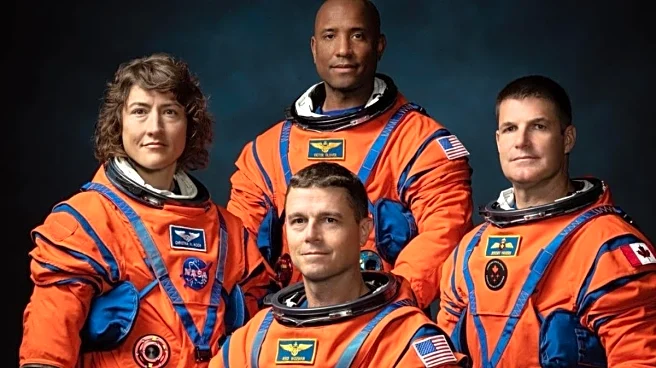
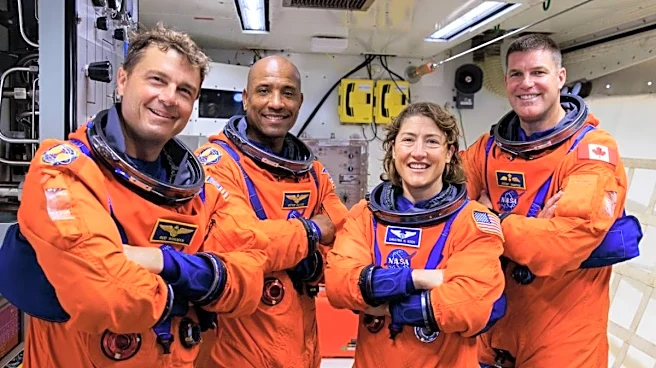
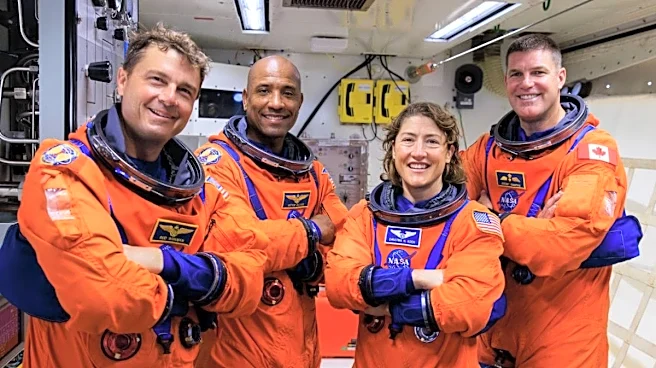
As the world holds its breath for the Artemis II launch (humanity’s first crewed mission to the Moon in over half a century) all eyes are on the four astronauts. But inside the Orion spacecraft will be a fifth passenger named “Rise,” a round white plush toy with a very important job: telling the crew exactly when they’ve left Earth’s gravity behind.
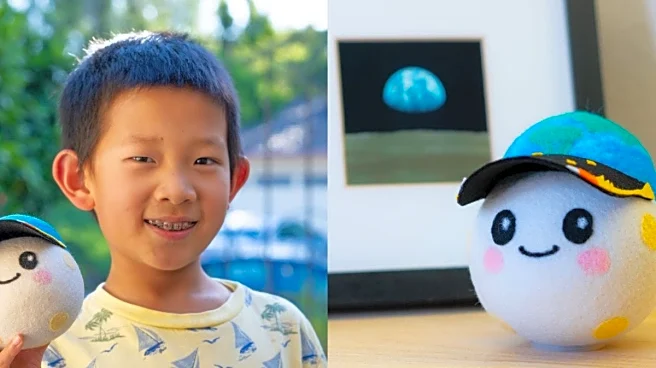
The most incredible part? It wasn’t designed by a top-tier aerospace engineer. It was created and hand-sewn by Lucas Ye, an 8-year-old space enthusiast from California.
Artemis II Launch: The “Zero-G” Tradition
The tradition of the Zero Gravity Indicator (ZGI) dates back to 1961, when Yuri Gagarin brought a small doll on Vostok 1. Since then, icons like Baby Yoda and Snoopy have floated through space to signal weightlessness.
To find the mascot
for this historic lunar flyby, NASA teamed up with Freelancer.com for a global design challenge. Out of 2,600 entries from 50 countries, the Artemis II crew, including Commander Reid Wiseman, hand-selected Lucas’s creation.
Who Is The NASA Mascot? Meet “Rise”
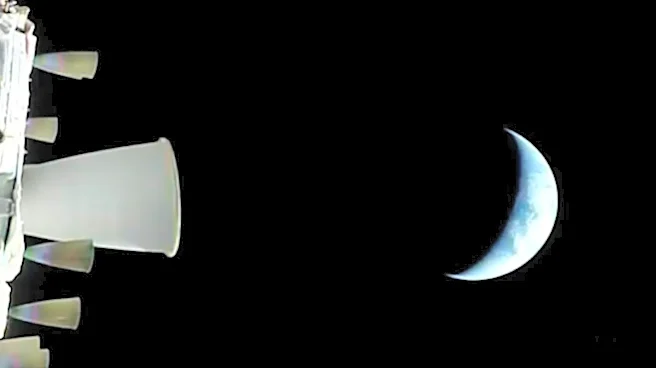
Rise isn’t just a cute face. The design is a deep-cut tribute to the iconic “Earthrise” photo taken during Apollo 8. Rise is a white plush sporting a hat featuring Earth, with a brim decorated with galaxies and rockets.
Mission specialist Christina Koch noted that Rise mirrors the mission’s ethos. “It is a mission that sort of mirrors our own,” she said during the reveal at Kennedy Space Center. Inside Rise sits a micro SD card containing the names of everyone who registered for the design challenge, taking thousands of people to the Moon in spirit.
While the contest only required a design, Lucas, the definition of “overachiever”, actually built the plush himself. The 8-year-old from Mountain View has spent his childhood obsessed with the stars, and now, a piece of his own handiwork is orbiting the Moon.
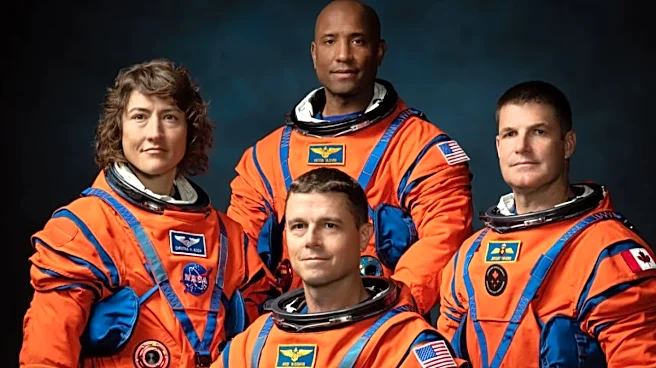
Also Read: Four Astronauts, One Historic Mission: Meet The Artemis II Crew Heading To The Moon
Trisha Epp, Director of Innovation at Freelancer, highlighted the emotional weight of the project: “Your design is literally going to space, which is not a sentence most people get to say. It’s a beautiful example of crowdsourcing solutions to NASA’s trickiest problems.”
/images/ppid_a911dc6a-image-177516852919573202.webp)

/images/ppid_59c68470-image-177508752486814628.webp)


/images/ppid_a911dc6a-image-17751545330169346.webp)