
/images/ppid_59c68470-image-176994502354269672.webp)
/images/ppid_a911dc6a-image-176994483076242116.webp)
/images/ppid_a911dc6a-image-176994487119336478.webp)
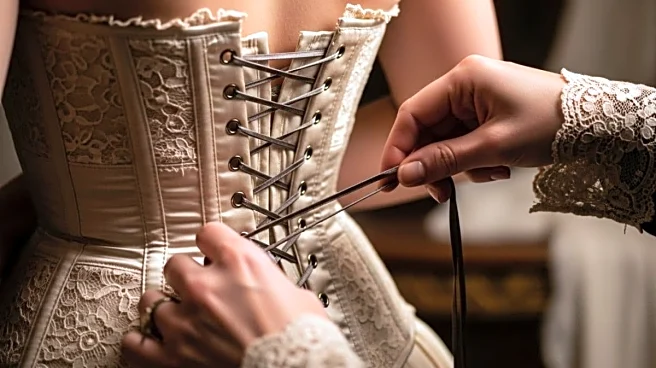
The craze for corsets is clearly visible across the internet. From Instagram feeds to red carpets, corsets have emerged as a major fashion phenomenon. One of the most debated garments in fashion history, corsets have been worn for centuries. They have symbolised beauty, status, control and rebellion at different points in time.
From rigid undergarments to bold, modern fashion statements, the corset’s evolution mirrors changing ideas about the body and femininity. Today, corsets paired with ghagras have become a striking new fashion expression, even though both garments originate from different continents and carry complex histories rooted in control and tradition.
The Evolution Of Corsets And Ghagra-Cholis
Corsets first appeared in Europe during the 16th century. They evolved from stiffened
bodices into tightly structured garments designed to shape and control the female torso. By the Victorian era, they had become almost compulsory for respectable womanhood. A tightly cinched waist was not merely a fashion statement but a marker of virtue, discipline and social status.
In much the same way, South Asia’s ghagra choli came to represent regional identity, tradition and femininity. Though far more fluid than Western corsetry, heavily embellished ghagras, paired with ornate cholis, dupattas and jewellery, also regulated movement, posture and public presence. Women were taught how to walk, sit and carry themselves within the silent rules imposed by their clothing.
The Victorian Era And Tight Lacing
By the 19th century, corsets became more contoured and form-fitting, accentuating the coveted hourglass silhouette. The practice of tight-lacing gained popularity, dramatically reducing waistlines and igniting concerns about women’s health and mobility. By the late 1800s, doctors and social reformers openly criticised corsets for limiting breathing and displacing internal organs. This led to the dress reform movement, which advocated comfort and challenged rigid beauty ideals.
Despite the backlash, corsets persisted, sustained by their association with status and desirability. Similarly, in India, heavily embellished ghagras were often worn for hours during long ceremonies, restricting movement and placing beauty above comfort.
The early 20th century marked a turning point as designers like Coco Chanel rejected rigid corsetry in favour of freer silhouettes that allowed women to move, work and breathe. The flapper era went even further, flattening curves and replacing control with ease. In India, the independence movement also influenced fashion, with simpler ghagras, softer drapes and handloom fabrics becoming expressions of personal and political freedom.
The Return Of The Corset: Power Over Punishment
By the late 20th century, corsets made a bold comeback, but on new terms. Jean Paul Gaultier’s iconic designs for Madonna transformed the corset from a restrictive undergarment into unapologetic armour. No longer hidden, it became a symbol of agency and performance. In India, designers like Sabyasachi Mukherjee and Manish Malhotra reworked corsetry into blouses and bridal wear that felt sculptural yet luxurious.
Today, celebrities such as Deepika Padukone, Kangana Ranaut, Ananya Panday, and Tara Sutaria wear corset-inspired silhouettes that reflect confidence rather than constraint.
Ghagra Choli In The Modern Fashion Landscape
The modern ghagra is lighter, sleeker and styled with purpose. Heavy cholis are replaced by crop blouses. Dupattas are optional. Moreover, designers experiment with slits, corset bodices and fluid drapes that signal a shift toward ease and individuality. Yet, especially at weddings, the pressure to appear “appropriately traditional” still shadows these choices.
Fashion’s relationship with freedom has always been complex. Both ghagras and corsets carry histories of restraint and expression. What is changing now is control: structure is no longer imposed but chosen.
/images/ppid_a911dc6a-image-176994652799396215.webp)







/images/ppid_a911dc6a-image-176994543616533491.webp)