
/images/ppid_59c68470-image-178931502409322130.webp)

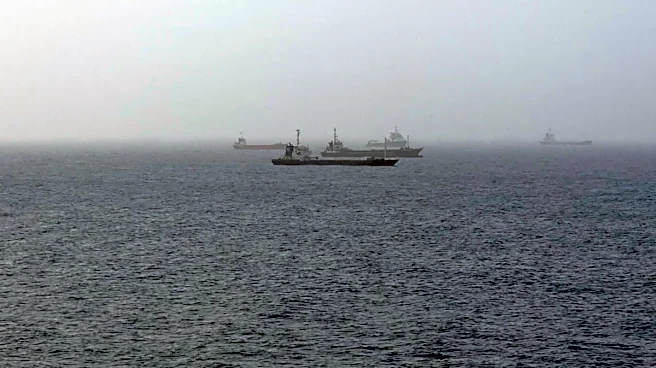
India continues to receive energy supplies through the Bab-el-Mandeb Strait despite a renewed Houthi offensive in Yemen, as the key waterway assumes greater significance for global energy shipments amid the ongoing conflict in the region.
The strategic chokepoint connects theRed Sea with the Gulf of Aden and is a crucial route for energy supplies from the West Asia to global markets. Its importance for India has grown further as shipping through the Strait of Hormuz remains disrupted amid the ongoing US-Iran conflict.
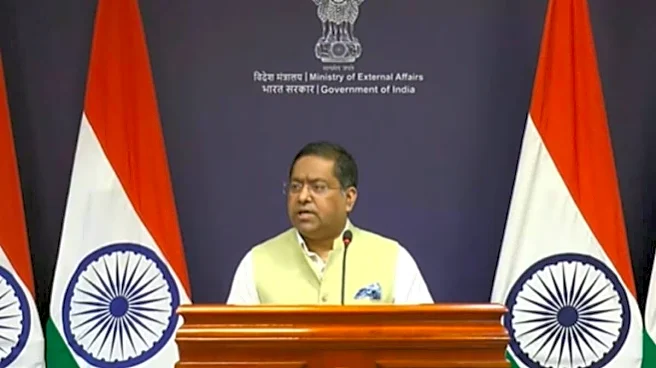
Ministry of External Affairs spokesperson Randhir Jaiswal said India has condemned attacks on Saudi Arabia’s sovereign territory, including strikes targeting civilian infrastructure and economic assets.
He also said External Affairs
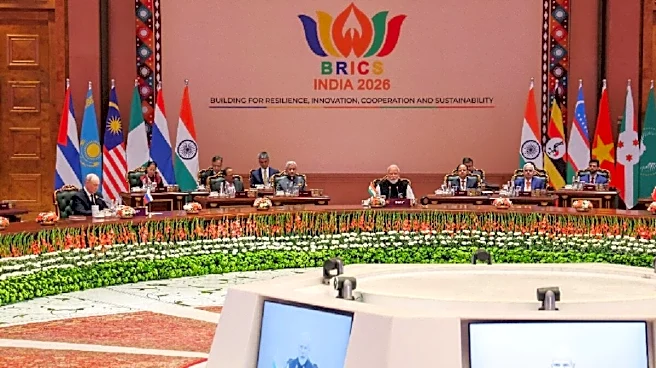
Minister S Jaishankar discussed the Houthi attacks and the wider regional situation with Saudi Foreign Minister Prince Faisal bin Farhan Al Saud on the sidelines of the BRICS Summit.
“Our External Affairs Minister held a meeting with the Saudi Foreign Minister on the sidelines of the BRICS Summit. During the meeting, they discussed several issues, including regional and international developments. The issue of the Houthis was also discussed,” Jaiswal said.
“There was recently an attack on Saudi Arabia, which we have condemned. We are also deeply concerned about the escalation of the situation in the Red Sea region. We have condemned attacks on Saudi sovereign territory, including those targeting civilian infrastructure and economic assets,” he added.
Jaiswal said such attacks threaten regional stability as well as freedom of navigation through the Bab-el-Mandeb Strait.
“Such attacks undermine regional stability and threaten freedom of navigation through the Bab-el-Mandeb Strait. These actions are obviously unacceptable to us,” he said.
The MEA spokesperson said India hoped for an early restoration of peace and stability in the region.
“We continue to receive energy supplies from that part of the world,” Jaiswal said.
Why Bab-el-Mandeb Strait Matters For India
The Bab-el-Mandeb Strait has emerged as a critical route for India’s energy supplies as shipping through the Strait of Hormuz remains disrupted.
According to Kpler, more than half of India’s crude imports now transit the Red Sea chokepoint, giving India the highest exposure among major Asian energy importers. The Philippines follows at 37%, Pakistan at 36%, South Korea at 31% and Japan at 28%.
Any prolonged disruption in the Bab-el-Mandeb could therefore have significant implications for India’s crude supplies, shipping costs and energy security.
Houthi Offensive In Yemen
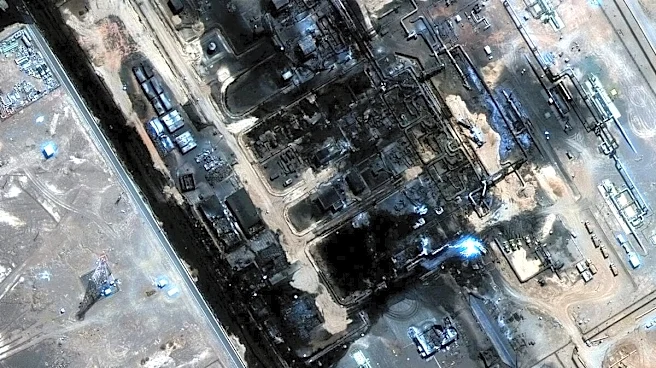
The Houthis have stepped up attacks amid renewed fighting in Yemen and have targeted Saudi interests and oil infrastructure, raising concerns over further disruption to regional energy supplies.
The escalation comes as Yemen’s long-running civil war has entered another volatile phase. The Houthis have been fighting Saudi-backed government forces, while developments along Yemen’s Red Sea coast have increased concerns over the security of the Bab-el-Mandeb Strait.
The group’s growing presence along Yemen’s Red Sea coastline is particularly significant because of the strait’s importance to international shipping.
The conflict has also raised concerns in global energy markets, with attacks on oil infrastructure in Saudi Arabia, the world’s largest crude exporter, contributing to a rise in oil prices.
Yemen’s civil war has killed hundreds of thousands of people and triggered one of the world’s worst humanitarian crises.
The latest escalation is also unfolding against the backdrop of the wider West Asia conflict, which has further complicated shipping and energy flows across the region.
/images/ppid_59c68470-image-178947502479960321.webp)






/images/ppid_59c68470-image-178920752939163285.webp)