

Most Indian festivals shift dates every year, guided by the moon, Makar Sankranti does not. It is a solar festival, fixed and steady, reflecting the nature of the Sun itself. Observed on 14 January, it marks the Sun’s transition into Capricorn and is celebrated across India under different names such as Pongal, Maghi, Bihu and Uttarayan. While the names change, the meaning remains the same.
At its core, Makar Sankranti is a festival of gratitude, for the Sun that sustains life, for the grains that nourish strength, and for the farmers, land and cattle that support agriculture. Astrologically, the day is significant as the Sun enters Capricorn, the sign ruled by Saturn, bringing themes of discipline, responsibility and structure. Symbolically,
it marks a turning point where warmth begins to soften the cold of winter, reflecting the idea that when rigidity melts, growth and togetherness naturally follow.
According to Sidhharrth S Kumaar, Chief Astrologer at NumroVani, this year’s Sankranti is marked by a rare planetary alignment that calls for a quieter, more intentional observance rather than elaborate rituals.
“Makar Sankranti is observed when the Sun enters Capricorn, but this year is special because Sun, Venus and Pluto come together in Capricorn,” Kumaar told News18. “This combination shifts the focus from outward celebration to internal order, responsibility and long-term balance.”
Makar Sankranti Pre-Pooja Rituals
The day responds best when it isn’t rushed. Waking up early helps, not because it is prescribed, but because the mind is calmer before the world becomes noisy. Even sitting quietly for a few minutes after waking makes a difference. Sankranti doesn’t demand action straight away. It prefers awareness first.
Bathing to Settle the Body
Bathing early has always felt grounding on Makar Sankranti. In 2026 especially, gently applying mustard oil on the body before bathing helps release heaviness, particularly in winter. Mixing black sesame seeds (kaale til) into the bath water is an old Saturn-related practice, and when done mindfully, it feels less symbolic and more settling. The body seems to understand that the pace needs to slow down.
What To Offer To Sun on Makar Sankranti?
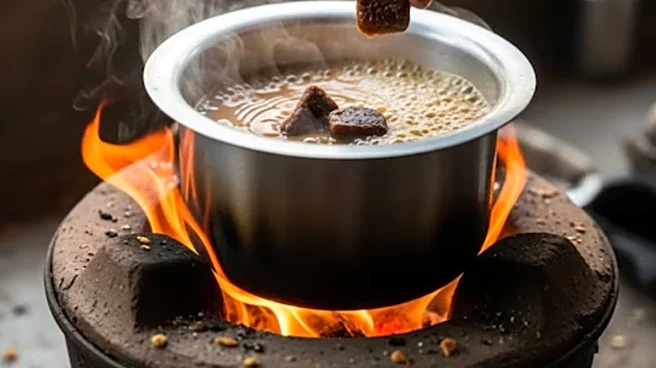
Offering water to the Sun after sunrise remains the heart of the day. Standing calmly, without hurry, changes the experience. Add red flower and little jaggery in water adds more value to arghya. The red brings warmth and awareness, while jaggery reminds us that effort should eventually soften into sweetness. As the Sun enters Saturn’s sign, this offering feels less like a request and more like alignment.
Makar Sankranti Pooja Vidhi
Keeping the Pooja Space Simple
The pooja itself does not need much. A clean corner, a lamp, and quiet surroundings are enough. Makar Sankranti does not respond to decoration or excess. Order, cleanliness, and calm matter more than how elaborate the setup looks.
Lighting the Lamp
Lighting a lamp, preferably with sesame oil, brings the day together. Sitting near it for a few minutes without doing anything else is often enough. Sankranti does not insist on chanting or activity. Stillness carries its own weight.
Food and Sharing
Food on this day wants to be simple. Sesame, jaggery, rice, something warm and nourishing. The body naturally resists heaviness on Ekadashi. Sharing the food matters more than what is cooked. Sankranti without sharing always feels incomplete.
Makar Sankranti Post-Pooja Rituals
The Role of Charity
Charity on Makar Sankranti works best when it is practical. Warm clothes, footwear, food grains, or daily essentials given quietly carry more value than symbolic gestures. Saturn responds to responsibility and sincerity, not noise or display.
Offering Water to the Peepal Tree
Offer water to the peepal tree before 12 PM on the day. Adding black sesame seeds to the water strengthens the Saturn connection. The Peepal carries something ancient and steady. There is no need to linger or perform. Just pour the water quietly and move on. These acts work best when done without expectation.
As the day moves toward evening, restraint feels easier. Ekadashi does much of the work on its own. Sitting quietly for a few minutes before the day ends allows the Sankranti energy to settle. Its effects are not immediate. They show up slowly, in habits, decisions, and how steady life feels weeks later.
/images/ppid_a911dc6a-image-177060802130265096.webp)





![T20 World Cup 2026: Wayne Parnell makes striking prediction for marquee event, tips Indian skipper as top run-scorer [Exclusive]](https://glance-mob.glance-cdn.com/public/cardpress/binge-magazine-card-generation/spaces/IN/en/crictracker-spaces/images/ppid_49c02804-image-17705600993763199.webp)