
/images/ppid_59c68470-image-178921503938884627.webp)
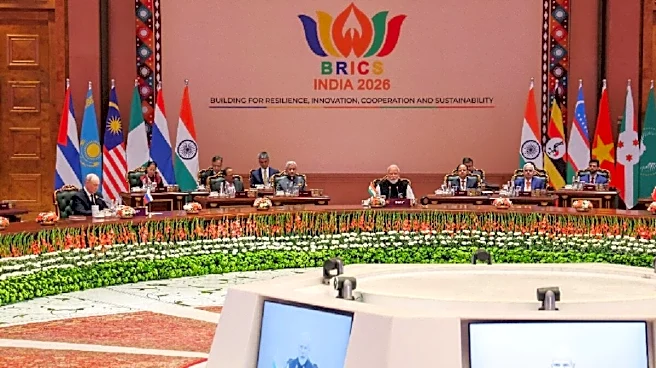
The New Delhi Declaration has handed India two significant diplomatic takeaways from the 18th BRICS Summit: a collective condemnation of the April 2025 Pahalgam terror attack and renewed backing for a greater Indian role in the United Nations, including the Security Council. The significance lies not just in the language of the declaration, but in the fact that the consensus includes China, Pakistan’s long-standing strategic partner and one of the five permanent members of the UN Security Council.
The 140-point declaration adopted by BRICS leaders on Saturday strongly condemned the Pahalgam attack, in which 26 people were killed, and reiterated the grouping’s commitment to “zero tolerance” towards terrorism. It also called for accountability
of those involved in terrorist activities and their supporters, action against terrorist safe havens and efforts to prevent the cross-border movement of terrorists and disrupt terror financing networks.
For India, this was not simply another reference to terrorism in a multilateral document. The Pahalgam attack has remained at the heart of India’s diplomatic campaign against cross-border terrorism since April 2025.
Read More: 4 AM Breakthrough: How India Brought Iran, UAE, Russia, China On The Same Page For BRICS Declaration
The strongest part of the declaration for India is that the attack has been specifically mentioned rather than being subsumed into a generic condemnation of terrorism.
The BRICS document makes clear that terrorism cannot be justified by its motivation and stresses the need to hold perpetrators and supporters accountable. It also calls for action against safe havens and terrorist financing – issues that closely mirror India’s long-standing position that the international community must act against not only terrorists but also the infrastructure and networks that enable them.
China’s Role Makes The Consensus More Significant
China’s concurrence is arguably the most politically significant aspect of the Pahalgam reference. Beijing has maintained close strategic and economic ties with Pakistan, including through defence cooperation and the China-Pakistan Economic Corridor. Yet China joined the BRICS consensus condemning an attack that India has consistently linked to Pakistan-based terrorism.
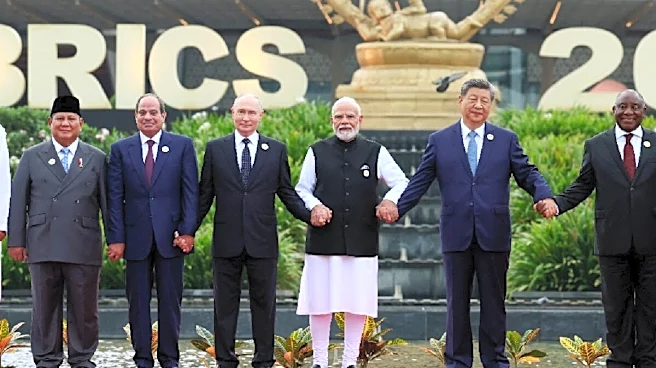
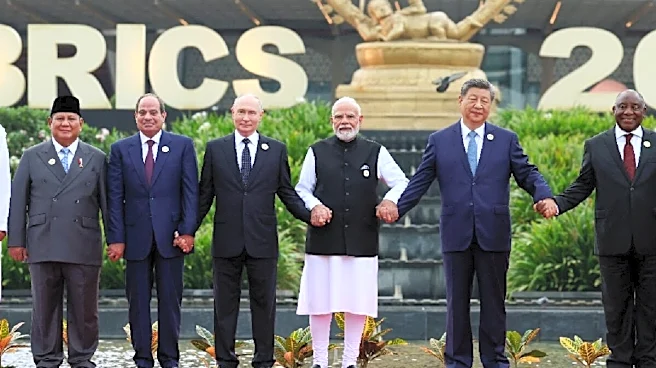
It demonstrates that India was able to secure consensus on an issue that has been among the most sensitive points in its relations with Pakistan and China. It also comes against the backdrop of a cautious thaw in India-China ties, with Prime Minister Narendra Modi and Chinese President Xi Jinping holding talks on the sidelines of the summit.
From Pahalgam To A Bigger Global Role
The declaration’s significance for India goes beyond terrorism. BRICS has once again backed comprehensive reform of the United Nations, including the Security Council, with the aim of making it more democratic, representative and effective. The document calls for greater representation of developing countries and says UNSC reform should amplify the voice of the Global South.
More importantly for New Delhi, China and Russia have reiterated their support for the aspirations of Brazil and India to play a greater role in the UN, including the Security Council.
For India, this is politically valuable because any meaningful expansion of the Security Council ultimately has to contend with the positions of its five permanent members – China, France, Russia, the UK and the US.
Why UNSC Reform Is A Bigger Long-Term Goal
India’s argument is that the global institutions created in the aftermath of World War II no longer adequately reflect the geopolitical and economic realities of the 21st century. The current permanent membership of the Security Council remains restricted to the US, UK, France, Russia and China. Countries such as India, despite their population, economic weight and contribution to UN peacekeeping, have no permanent seat.
The New Delhi Declaration places that argument within the broader Global South campaign for greater representation. It also recognises the African position on reform, including the Ezulwini Consensus and Sirte Declaration, which seek permanent and non-permanent representation for Africa.
That makes India’s pitch less about seeking a special concession and more about positioning its candidature as part of a wider restructuring of global governance.
India’s Push For Both Security And Governance
The Pahalgam and UNSC references reveal the larger diplomatic strategy behind India’s BRICS presidency. On one front, New Delhi wanted the grouping to take a clear stand against terrorism and acknowledge the security concerns that India has repeatedly raised. On the other, it wanted BRICS to strengthen the argument that emerging economies and developing countries deserve a greater role in institutions that govern the international system.
The two issues are different, but they feed into the same broader Indian argument that the countries most affected by global security and economic decisions should have a greater say in making them.
This also explains why the declaration repeatedly invokes the Global South and calls for greater representation of emerging and developing economies in international decision-making structures.