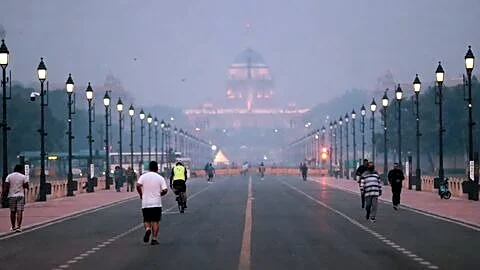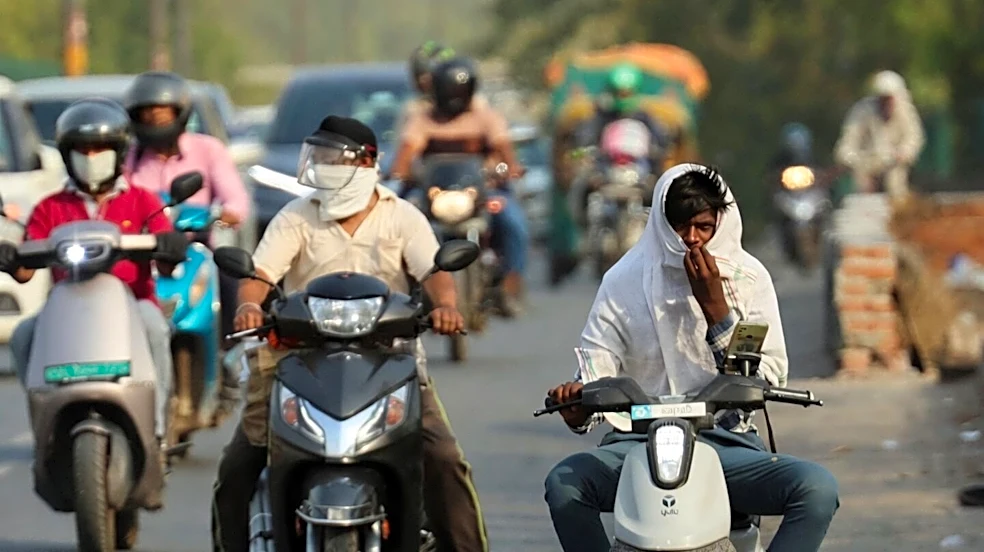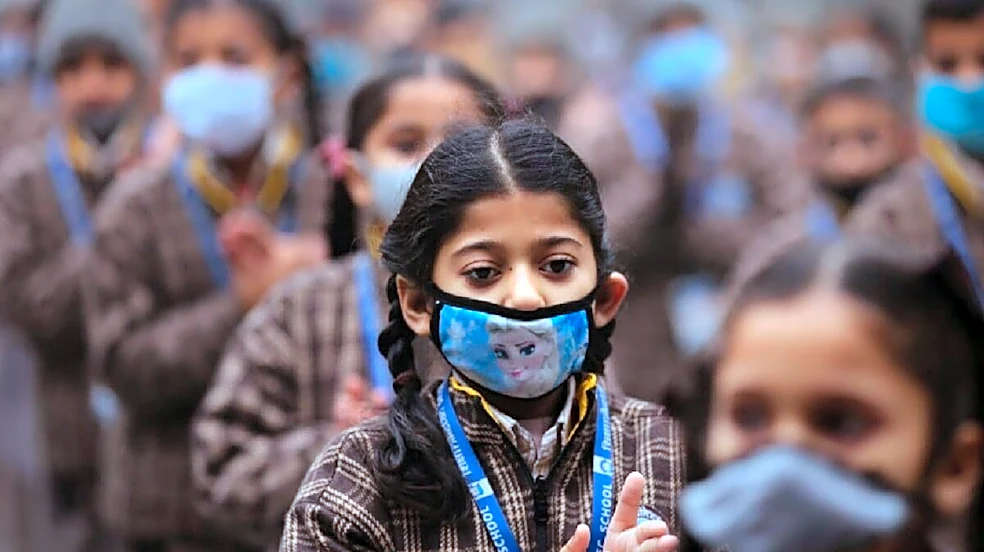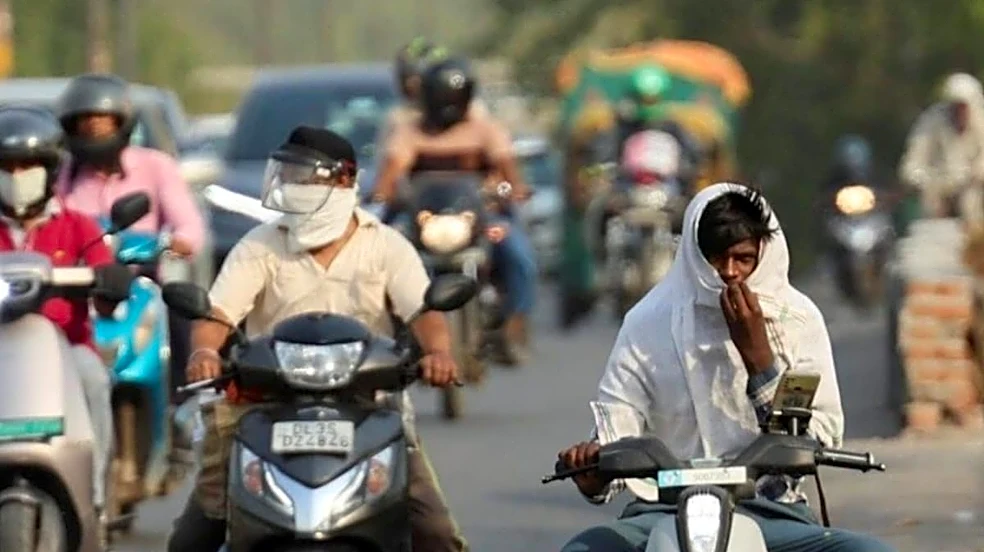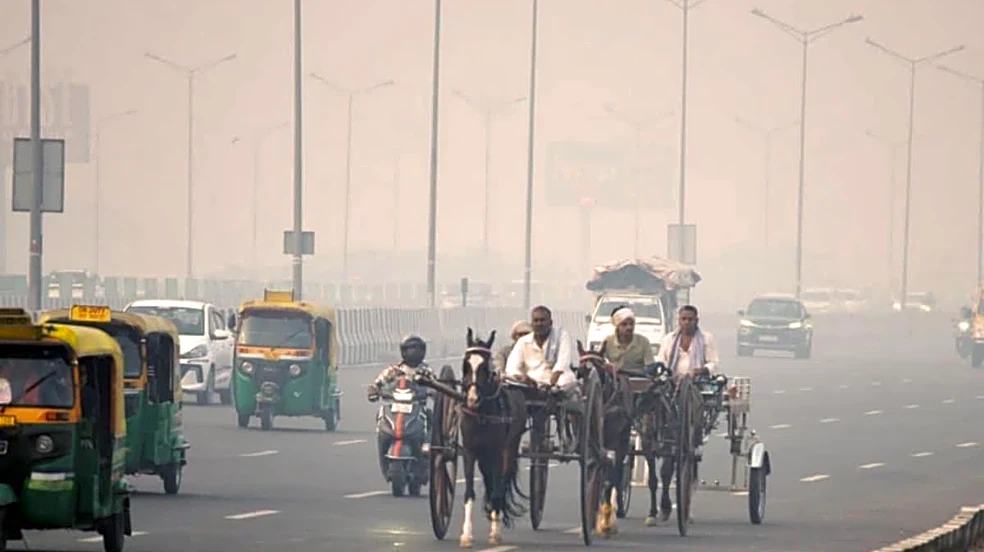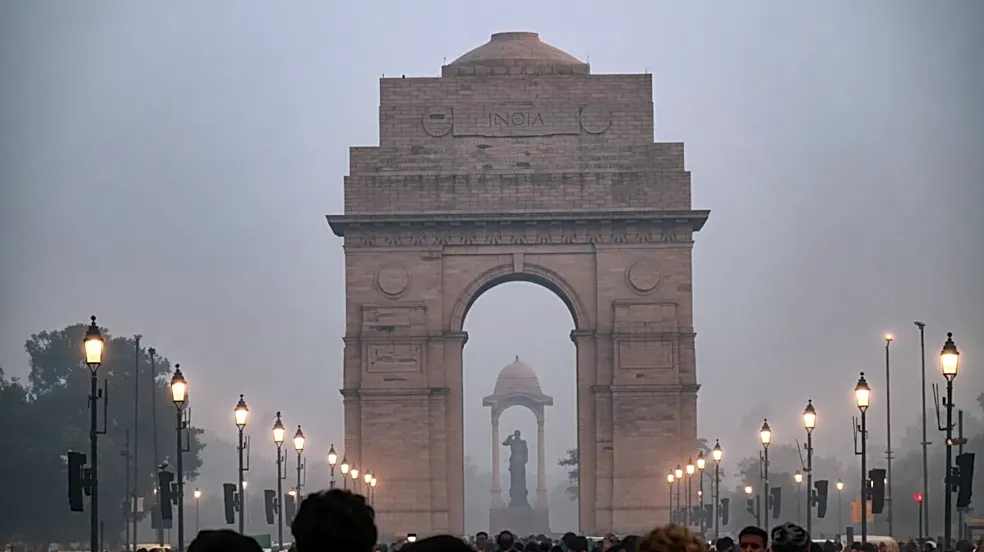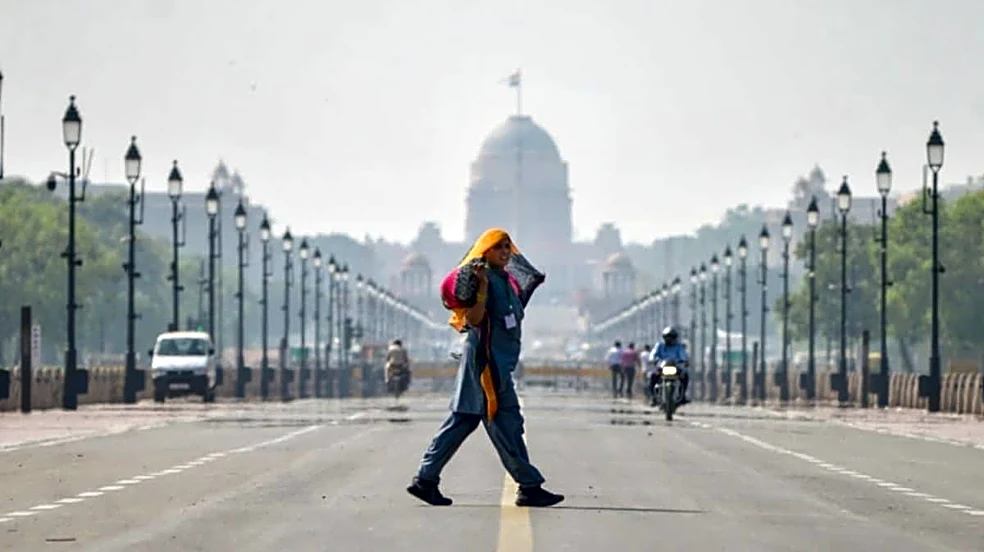




With the winter season around the corner and mercury levels dropping gradually, the pollution levels in Delhi are on the rise again. The Air Quality Index (AQI) was recorded Thursday in the ‘poor’ category across several prominent areas in the national capital.
The AQI at Akshardham Temple stood at 237, Anand Vihar at 237, India Gate at 238, and All India Institute of Medical Sciences (AIIMS) at 276.
Delhi-NCR recorded its chilliest night of the month so far on Monday, with the temperature at the Safdarjung Weather Station dropping to 17.1 degrees Celsius, 1.3 notches below the seasonal average.
The maximum temperature stood at 31.7 degrees Celsius, according to the India Meteorological Department (IMD).
Weather Forecast For Delhi
According to the IMD, the sky is likely to remain
clear in Delhi until October 23, while partly cloudy conditions are likely to prevail on October 24 and 25.
The temperature is also likely to drop in the coming days, as the winter season approaches. Concerns over the deteriorating air quality are also likely to rise as the cold weather has a tendency to trap pollutants.
Delhi Sees GRAP-I Curbs
The Commission for Air Quality Management (CAQM) on Wednesday imposed Stage-I of the Graded Response Action Plan (GRAP) in Delhi-NCR after the national capital’s air quality deteriorated to the ‘poor’ category, a day after Dussehra celebrations.
The CAQM said that the restrictions had been imposed with immediate effect as Delhi’s air quality worsened, with the Air Quality Index (AQI) reaching 244 at 2 PM on Wednesday.
The Graded Response Action Plan (GRAP) consists of a series of measures and curbs, aimed at containing pollution levels and preventing the air quality from deteriorating further.
The development followed Dussehra celebrations in the national capital on Tuesday, when people burned effigies of Ravan across the city to mark the occasion. What added to the concerns were instances of stubble burning in neighbouring states, including Punjab, Haryana, and Uttar Pradesh.