

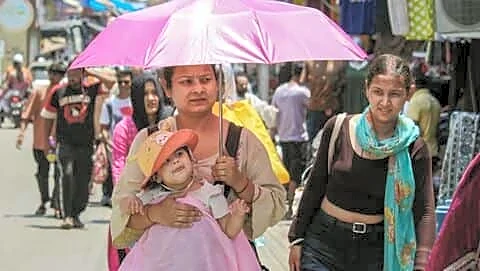
As global temperatures continue to climb, extreme heat is placing millions of workers at serious risk. Across the world, many workers are exposed to high-heat conditions and often have little option but to continue working despite the dangers.
In India, the situation is particularly concerning. Industrial workplaces frequently record temperatures between 40°C and 45°C. Alarmingly, nearly 75% of the Indian workforce, approximately 380 million people depend on occupations that expose them to such high temperatures.
In 2024, India experienced one of its longest and most intense summers, with temperatures exceeding 50°C (122°F) in several regions. The trend has continued into 2026, with the World Bank warning that parts of India could become among
the first regions where heatwaves approach the limits of human survivability.
Understanding Heat Stress and Its Impact
Heat stress refers to the combined effect of environmental and metabolic heat loads, which raises an individual’s core body temperature (CBT) and can lead to physiological strain.
The International Labour Organization (ILO) estimates that more than 70% of workers globally are at risk of heat stress due to excessive heat exposure.
Beyond immediate health concerns such as heat exhaustion, heatstroke, cardiovascular strain, and electrolyte imbalance, prolonged exposure can also result in long-term health complications.
Jeewan Mahadik from British Safety Council India, says, “The ILO report highlights that around 26.2 million people worldwide are living with chronic kidney disease linked to occupational heat stress, representing nearly 3% of all such cases. Excessive heat can also contribute to mental health challenges, including anxiety, depression, and cognitive fatigue, which may increase the risk of workplace accidents.”
According to the ILO’s report ‘Heat at Work: Implications for Safety and Health: A Global Review of the Science, Policy, and Practice’, exposure to excessive workplace heat is highest in Africa (92.9%), followed by the Arab States (83.6%), and Asia and the Pacific (74.7%). The report also notes that Africa and the Americas record the highest share of occupational injuries related to heat exposure, at 7.2% and 6.7%, respectively.
While some countries have introduced regulations to address heat-related risks, existing legislation is often too broad to effectively tackle the growing challenge. However, several countries have begun updating their policies and introducing new measures in response to evolving risks and scientific insights, explains Jeewan Mahadik.
The ILO’s review of legislation across 21 countries identifies several standard elements in Occupational Safety and Health (OSH) frameworks. These include participatory risk assessments focused on heat exposure, targeted measures for vulnerable workers, use of the Wet Bulb Globe Temperature (WBGT) index to monitor heat stress, hydration protocols, rest breaks and modified work schedules, access to cool rest areas, heat acclimatisation practices, appropriate personal protective equipment, awareness and training initiatives, and routine health monitoring.
Addressing Heat Stress in the Workplace
The ILO outlines several key recommendations for addressing heat stress effectively. To begin with, prevention and control strategies must be strengthened to reflect the growing complexity of heat-related risks. Excessive heat is not only a workplace concern but also a broader issue affecting public health and the environment. Integrating occupational safety and health (OSH) into climate action frameworks is essential for a coordinated response.
Effective mitigation will require collaboration among governments, businesses, labour organizations, international bodies, OSH networks, and non-profits to share knowledge, resources, and best practices. Aligning the efforts of key ministries—such as Labour, Health, Environment, and Climate—is also critical to avoid duplication and ensure cohesive action.
Importantly, heat-related risks are not limited to heatwaves. Preventive measures should be implemented whenever heat exposure is present, rather than only during extreme weather events.
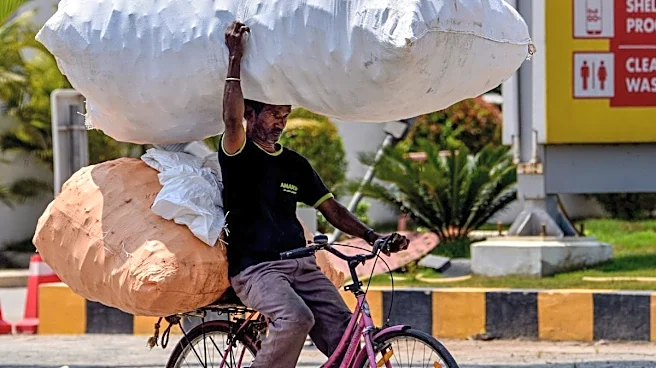
A people-centric, rights-based approach is fundamental, ensuring that workers have the right to a safe and healthy working environment. This includes being informed about risks and having the ability to step away from unsafe conditions without fear of reprisal. Sector-specific strategies will be necessary, particularly for vulnerable groups such as garment workers, agricultural labourers, and construction workers.
There is also a strong need to prioritize practical and cost-effective solutions, especially for informal sectors and micro, small, and medium-sized enterprises (MSMEs). Fortunately, many protective measures are simple to implement and relatively inexpensive. Providing access to drinking water, ensuring shaded or cooled rest areas, scheduling work during cooler hours, and introducing heat acclimatization programs can significantly reduce health risks.
Strengthening OSH frameworks to address heat exposure is not only essential for worker safety but also economically beneficial. The ILO estimates that implementing preventive measures could result in global savings of over US$361 billion.
As heat-related risks continue to rise, there is an urgent need to advance research and deepen global understanding to support coordinated, evidence-based action. A collective and sustained effort is essential to address this growing challenge for the safety of workers, the well-being of communities, and the health of the environment ensuring that everyone can exercise their fundamental right to a safe and healthy workplace.
/images/ppid_a911dc6a-image-177933843938055547.webp)






/images/ppid_a911dc6a-image-177915409133845800.webp)