

Worldwide spending on nuclear weapons surged to a record high in 2025, with the United States, China and Russia leading a sharp global build-up as atomic-armed nations accelerate modernisation of their arsenals amid rising geopolitical tensions.
The nine nuclear-armed states collectively spent nearly $119 billion on nuclear weapons last year, marking a 19% increase from 2024, according to the International Campaign to Abolish Nuclear Weapons (ICAN). The group warned that a “new nuclear arms race is upon us” as countries expand and deploy more of their stockpiles.
A separate assessment by the Stockholm International Peace Research Institute (SIPRI) echoed concerns over growing nuclear risk, noting that while total warhead numbers have declined
over decades, the weapons available for use are increasing.
Who Is Spending How Much?
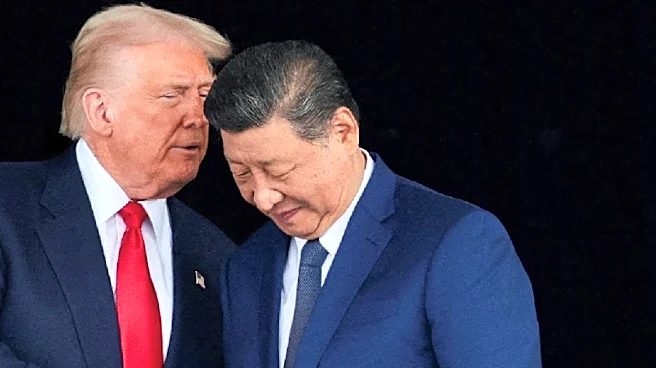
The United States remained by far the largest spender, allocating an estimated $69.2 billion to its nuclear arsenal in 2025- more than all other nuclear-armed states combined. That figure represented an increase of $12.4 billion from the previous year.
China followed with an estimated $13.5 billion in nuclear spending as it continues to expand its arsenal at the fastest pace among major powers. The United Kingdom spent $12.6 billion, while Russia allocated about $9.5 billion.
Nuclear Warheads Remain Lower, But Readiness Rises
SIPRI estimated that the total global nuclear warhead stockpile stood at 12,187 at the start of 2026. However, around 9,745 of these weapons are now considered operational or available for potential use.
ICAN said nuclear-armed states are not only increasing current budgets but also locking in decades-long investment cycles in new weapons systems. The report highlighted long-term programmes in the United States, France and Britain, which are expected to cost hundreds of billions of dollars over coming decades.
In the US, the planned Sentinel intercontinental ballistic missile system is expected to remain in service beyond 2100, while expanded plutonium pit production suggests warheads designed to last through the next century. ICAN estimated that US nuclear weapons spending alone could approach $1 trillion between 2025 and 2034.
ICAN argued that just one day of nuclear weapons spending could have funded food security support for more than two million people.
Susi Snyder, ICAN’s programme director and co-author of the report, described the situation as alarming.
“To be perfectly honest, I’m terrified,” she told AFP. She added that governments are prioritising weapons systems that carry catastrophic risks while global crises demand increased investment in health, food security and development.
“There seems to be a total disconnect from reality,” she said.
/images/ppid_a911dc6a-image-178096624379946685.webp)

/images/ppid_59c68470-image-178091007117058933.webp)

/images/ppid_59c68470-image-178090752773247046.webp)


/images/ppid_a911dc6a-image-178091203504852822.webp)