
/images/ppid_59c68470-image-177876509788494134.webp)
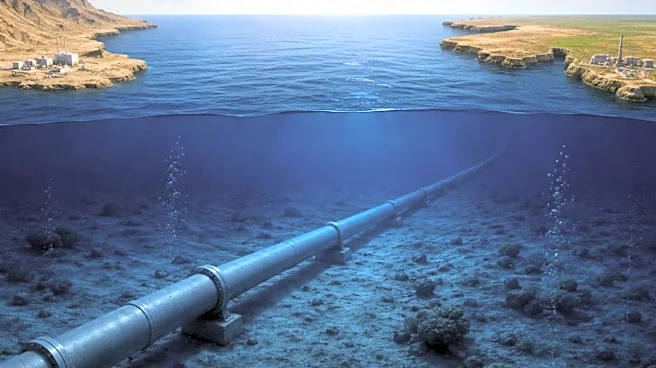
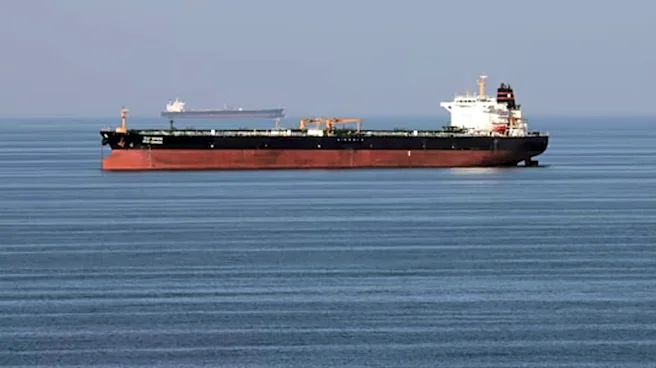
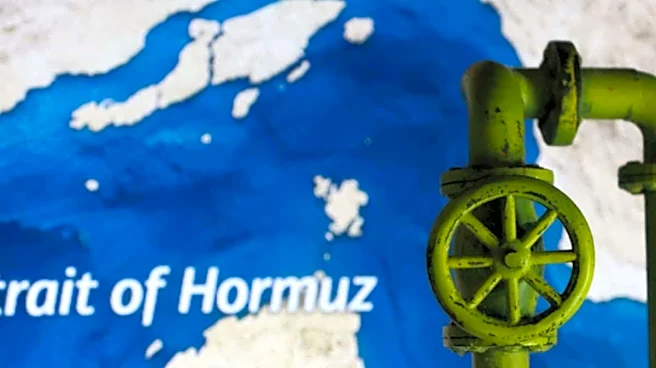
The West Asia crisis that prompted the closure of the Strait of Hormuz has shaken the global crude oil market, posing a disruption to energy supply security. Since the Iran-US war began, the prices of crude oil have spiked substantially to trade over $100 per barrel.
Countries that are dependent on global crude oil to meet their domestic requirement are facing a big challenge. India is among the countries whose crude oil flow has been impacted during the ongoing conflict, putting pressure on its forex reserve.
India imports 85-90 per cent of its global crude oil and natural gas, and a substantial portion comes from Gulf nations such as the UAE, Saudi Arabia, Qatar, Bahrain, and more.
India used to import a lot of crude oil from Russia as well,
but its portion has come down in recent times due to America’s sanctions.
The Trump administration allowed a waiver to countries to import oil from Russia as the Iran war disrupted the flow. However, according to a Bloomberg report, the USA is considering letting it expire. It means that India won’t be able to purchase oil from Russia anymore.
This will put a strain on the already fragile energy security of India. Due to higher crude oil prices, Oil Marketing Companies are facing huge losses on per day basis, which prompted the Indian government to hike petrol and diesel prices by Rs 3 per litre last week.
The Ministry earlier clarified that India currently has around 60 days of stock cover, with a total reserve capacity of 74 days.
“Nearly two months of steady supply is available for every Indian citizen regardless of what happens globally,” it said, dismissing reports suggesting otherwise as misleading.
India’s Strategic Reserve For Oil
India’s Strategic Petroleum Reserves (SPR) are emergency stocks of crude oil held by the government to safeguard the nation against major disruptions in global supply — for example, wars, embargoes, or sharp price shocks. They act like a buffer or “insurance policy” so the economy doesn’t run out of fuel if imports suddenly dry up. This reserve is in addition to the oil stocks held by refineries and pipelines in the commercial sector.
The government-owned stockpile of crude oil is kept aside only for emergencies, not for routine commercial use. It is crude oil (not petrol or diesel) because crude can be refined into whatever product is needed most at the time — petrol, diesel, ATF, LPG, etc.
International norms like those of the International Energy Agency recommend at least 90 days of reserve stock, and, therefore, Puri has said India is expanding towards that goal, aiming to increase its current reserves.
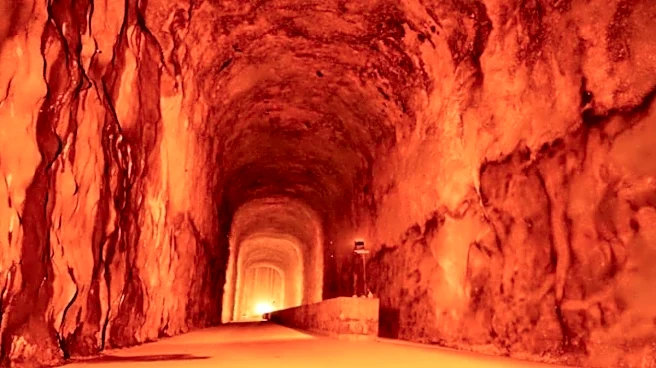
Unlike surface tanks, India stores this strategic crude in massive underground rock caverns (essentially engineered caves excavated in stable rock formations).
Does India Have Reserves For LPG Too?
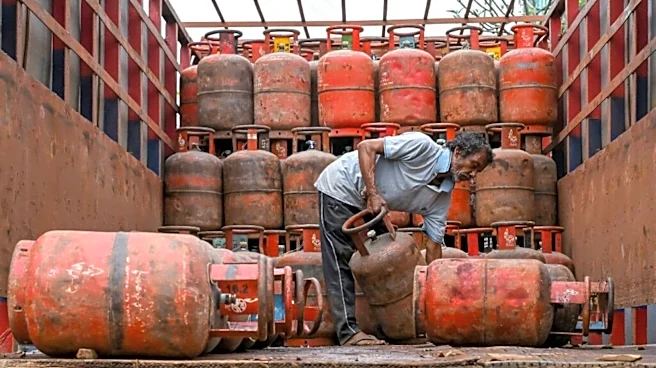
India’s strategic reserve for LPG isn’t as robust as for oil, with a coverage of less than two days of national consumption, according to Hindu Business Line report.
India currently depends on two major underground LPG storage caverns to strengthen its energy security, apart from inventories maintained by refiners, the report added.
One facility is located in Visakhapatnam, Andhra Pradesh, and is operated by South Asia LPG Company (SALPG), a joint venture between HPCL and TotalEnergies. It has a storage capacity of 60,000 metric tonnes.
The second facility, recently commissioned in Mangaluru, Karnataka, has been developed by HPCL and is India’s largest LPG storage cavern with a capacity of 80,000 metric tonnes.
Combined, the two caverns can store around 1.4 lakh tonnes of LPG — enough to meet less than two days of India’s average daily demand, estimated at nearly 90,000 tonnes.

/images/ppid_a911dc6a-image-177894090157881490.webp)